Category

Auto

Category

Car door panels are more than decorative covers. They are part of the vehicle’s safety system. Strong panels can absorb some of the force in a crash. They also protect passengers from sharp edges and flying debris. A damaged or weak panel can reduce the level of protection during an accident. Regular professional servicing keeps panels strong and ready for impact. Service tiers make it easier to select the right level of care for every situation.

Structural Support During Impact

Door panels contribute to the overall strength of the car body. They help distribute the force of a side impact to reduce injury risk. If the panel is bent corroded or weakened it cannot perform this role effectively. A basic service tier checks for visible dents rust or cracks. It also ensures that the panel remains properly aligned with the door frame. This quick inspection catches early damage before it affects structural performance. Basic servicing is ideal for keeping panels in good shape through regular maintenance.

Protecting Internal Safety Features

Modern door panels house important safety components. These can include side airbags reinforcement beams and electronic sensors. If the panel is damaged these systems may not work correctly in a collision. An intermediate service tier goes beyond surface checks. It involves removing the interior trim to inspect internal safety parts. Technicians can detect loose beams damaged mounts or faulty sensors. This service level ensures that all hidden safety elements remain in working order. Intermediate servicing is useful after minor accidents or when warning lights appear. Choosing the Auto Repair in Bakersfield, CA  based service would be a fine choice.

Preventing Weak Points from Developing

Even small defects in a panel can turn into weak points over time. Corrosion loose fittings or misalignment can make the door less resistant to impact. An advanced service tier focuses on restoring full panel integrity. It includes structural repairs protective coatings and reinforcement adjustments. This level also checks that weather seals and drainage points are functioning. Keeping moisture out prevents rust from compromising the panel’s strength. Advanced servicing is recommended for vehicles exposed to harsh conditions or after significant repairs.

Progression of Service Tiers

The service tiers give a clear path to maintaining safety. The basic tier deals with surface damage and alignment issues before they become serious. The intermediate tier protects internal safety components by checking and repairing hidden parts. The advanced tier strengthens the panel structure and guards against future weakness. Each step builds on the last to create better safety results. Owners can start with a lower tier and move up if more protection is needed. This flexibility ensures the vehicle always has panels capable of providing maximum crash resistance.

Conclusion

Well maintained door panels are a critical part of vehicle safety. They add structural support protect internal safety systems and prevent dangerous weak points. Service tiers make it simple to choose the right level of care. From quick visual checks to deep structural restoration each tier plays a role in crash protection. Professional servicing keeps panels strong and ready for unexpected impacts. Regular attention to panel condition improves safety for everyone inside the vehicle.

With increasing demands for performance, emission control, and reliability, material innovation plays a crucial role in the development of advanced automotive components.

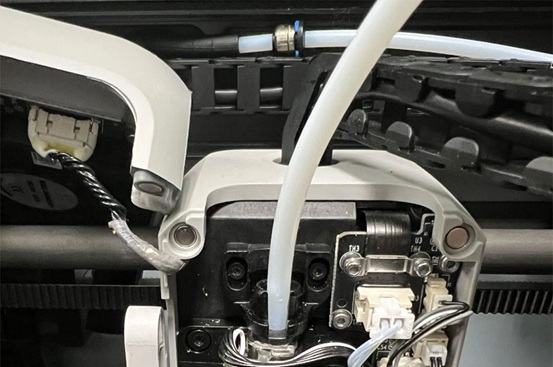
One such innovation is the use of PTFE tubing in automotive fuel systems. Thanks to its unique chemical and physical properties, PTFE (Polytetrafluoroethylene) tubing has emerged as an indispensable material in fuel delivery lines, vapor recovery systems, and other critical fuel system components.

Challenges in Automotive Fuel Systems

Automotive fuel systems must safely transport fuel from the tank to the engine while preventing leaks, contamination, and vapor loss. Key challenges include:

  • Chemical compatibility: Fuels today often contain additives, ethanol blends, or biofuels that can degrade conventional tubing materials.
  • Temperature extremes: Fuel lines are exposed to hot engine compartments and cold weather conditions.
  • Pressure fluctuations: Fuel pumps and injectors generate varying pressures that tubing must endure without failure.
  • Environmental regulations: Strict emission standards require the containment of fuel vapors to reduce pollution.
  • Durability: Components must last for thousands of miles without cracking, leaking, or deteriorating.

Addressing these challenges requires materials that combine chemical resistance, mechanical strength, and flexibility.

How PTFE Tubing Enhances Fuel Systems

1. Superior Chemical Resistance

PTFE is virtually inert to most chemicals, including hydrocarbons, ethanol, methanol, and other aggressive fuel additives. Unlike rubber or FEP tubing that can swell, crack, or degrade, PTFE tubing remains stable, preventing fuel contamination and ensuring consistent flow characteristics throughout the vehicle’s lifespan.

2. High Temperature Tolerance

Operating temperatures in automotive fuel systems can range from sub-zero environments to well over 200°C near engine components. PTFE tubing can withstand temperatures from approximately -70°C to +260°C without losing its mechanical integrity or becoming brittle, making it ideal for use close to the engine or exhaust system where heat resistance is critical.

3. Low Permeability and Vapor Barrier

PTFE tubing provides excellent resistance to fuel vapor permeation, helping automotive manufacturers meet stringent environmental standards by reducing evaporative emissions. This containment helps protect the environment and improves overall vehicle efficiency.

4. Flexibility and Lightweight

The flexible nature of PTFE tubing allows easier routing within the tight and complex spaces of modern vehicles. Its lightweight profile also contributes to reducing overall vehicle weight, which is beneficial for fuel economy and emissions.

5. Durability and Longevity

PTFE’s resistance to cracking, abrasion, and aging means fuel system components last longer, reducing maintenance costs and improving vehicle reliability. PTFE tubing maintains its integrity even under repeated vibration and pressure cycles common in automotive environments.

6. Non-Flammable and Safe

PTFE’s high melting point and non-flammable nature add a layer of safety by reducing fire hazards associated with fuel systems, especially in case of leaks or accidents.

Typical Applications of PTFE Tubing in Automotive Fuel Systems

  • Fuel Lines: From the tank to the engine, PTFE tubing safely transports gasoline or diesel fuel.
  • Vapor Recovery Systems: Prevents vapor loss and reduces emissions in fuel tanks and charcoal canisters.
  • Fuel Injector Lines: High-pressure fuel delivery lines benefit from PTFE’s chemical resistance and durability.
  • Fuel Filter Connections: Ensures clean fuel delivery by providing stable connections that resist degradation.

Industry Trends and Future Outlook

With the automotive industry moving towards hybrid and alternative fuel vehicles, the chemical composition of fuels is diversifying. PTFE tubing’s versatility makes it well-positioned to adapt to future fuels such as bioethanol, hydrogen blends, and synthetic fuels.

Moreover, advances in PTFE composites and multilayer tubing are further enhancing performance by improving abrasion resistance and mechanical strength, while maintaining chemical inertness.

Conclusion

PTFE tubing plays a vital role in enhancing automotive fuel systems by offering superior chemical resistance, high temperature tolerance, durability, and environmental compliance. Its application improves fuel delivery efficiency, reduces maintenance costs, and supports the automotive industry’s move towards cleaner, safer, and more efficient vehicles. As material science progresses and fuel technologies evolve, PTFE tubing is set to remain a cornerstone component in the design of advanced automotive fuel systems.

How to Protect Your Investment and Ensure Quality Service

Diesel trucks are built for power and longevity, but like any machine, they need expert care to stay at peak performance. Whether it’s a routine service or a major repair, choosing the right diesel repair shop is essential. But it’s not just about who’s closest or cheapest—it’s about who’s qualified, trustworthy, and transparent.

Before handing over your keys, asking the right questions can make all the difference. Here are the top questions to ask your diesel repair shop to ensure you’re leaving your vehicle in capable hands.

1. Do You Specialize in Diesel Repairs?

This might seem obvious, but it’s an important first step. Diesel engines require different tools, knowledge, and diagnostic equipment compared to gas-powered vehicles. Not every general repair shop is equipped—or experienced—enough to properly diagnose and service diesel issues.

Ask specifically whether they have technicians trained in diesel engine technology and if they work on vehicles like yours regularly. A shop that specializes in diesel will have deeper insight into common problems, brand-specific quirks, and the best long-term solutions.

2. Are Your Technicians Certified?

The experience of the mechanic handling your truck matters just as much as the shop’s reputation. Certifications like ASE (Automotive Service Excellence) or manufacturer-specific training demonstrate that a technician has undergone extensive education and testing.

When it comes to something as valuable as your diesel truck, you’ll want to know the diesel truck mechanic working on it has proven their expertise and keeps up with evolving engine technology.

3. What Diagnostic Tools Do You Use?

Today’s diesel engines are complex, and most issues require high-tech diagnostic tools to properly evaluate. A professional diesel repair shop should use modern scanning tools that can accurately read trouble codes, assess performance data, and pinpoint issues without guesswork.

If the shop relies heavily on manual checks or “what we’ve seen before” logic alone, consider that a red flag. Proper diagnostics save time, money, and unnecessary parts replacements.

4. Do You Provide a Detailed Estimate Before Starting Work?

Transparency is key when it comes to pricing. A trustworthy diesel repair shop will provide a detailed, itemized estimate before doing any work. This includes a breakdown of parts, labor, and diagnostic fees—along with a clear explanation of what’s urgent and what can wait.

You should never feel pressured or blindsided by unexpected charges after the fact. If a shop hesitates to provide a written estimate or brushes off questions about pricing, it’s time to look elsewhere.

5. What Is Your Warranty on Parts and Labor?

A solid warranty is a sign that the shop stands behind its work. Ask what kind of warranty they offer on both parts and labor. Are the parts OEM (original equipment manufacturer) or aftermarket? How long is the coverage period? What does it include—and exclude?

A reputable shop will have no problem sharing this information and explaining the warranty terms in plain language. This not only protects your wallet in case something goes wrong but also speaks to the shop’s confidence in the quality of their repairs.

6. Do You Keep Service Records for My Vehicle?

Keeping accurate service records is essential for resale value, future maintenance, and warranty claims. Ask whether the shop maintains detailed records of all services performed on your truck—and whether you’ll receive copies for your own files.

Shops that offer digital records or customer portals make it even easier to keep tabs on your truck’s health over time, ensuring nothing falls through the cracks.

7. How Do You Handle Communication During the Repair Process?

Clear and timely communication can turn a stressful repair into a seamless experience. Ask how and when they’ll contact you during the process—will they call before performing additional work? Do they offer text or email updates? Can you speak directly to the technician?

Understanding how the shop handles customer communication ensures you’re never left in the dark, especially if the job takes longer or turns up unexpected issues.

Your diesel truck is more than just a vehicle—it’s an investment. Whether you rely on it for work, recreation, or both, proper care starts with choosing a repair shop that earns your trust. By asking the right questions upfront, you not only protect your vehicle but also build a relationship with a shop that can serve you for years to come.

Don’t settle for vague answers or rushed explanations. A qualified diesel mechanic will appreciate your interest, respect your concerns, and provide clear, confident responses. After all, an informed truck owner is a shop’s best customer—and your diesel deserves nothing less.

Fog lights are not just extra car lights. These help during heavy rain and dense fog. These lights cut through thick mist and show the way. They make night driving easier and safer.

Driving Without Proper Fog Lights Is Risky

Broken fog lights reduce safety. This becomes serious during storms or early morning drives. Many accidents happen when visibility drops. Some drivers ignore this damage. Some try to fix it on their own. That may seem easy but it rarely works. Wrong repairs make the problem worse. That is why this needs professional help.

The Right Tools Make All The Difference

Experts use the right tools for the job. They know the parts and the process. They check the wiring and switch. They test the bulbs and the placement. They fix things the correct way. That avoids future problems and costs. The fix becomes fast and smooth. A trained mechanic can see what others may miss. This level of skill protects the car in the long run.

Choose Experts For Strong Lasting Results

It is not just about light. It is about the full system. Professionals check the fuse box and connectors. They look for burns and breaks. They seal gaps and holes. Moisture in the light can cause fogging. That damages the unit from inside. So experts dry and protect the parts. They fit the lens tightly and test it fully. That gives the lights full power again.

Visit a Trusted Local Repair Center

For the best results trust a known name. You can get expert help from Auto Repair in Bakersfield, CA. This place offers skilled repairs and quick service. The team knows the importance of fog lights. They also understand how to fix them right. They listen to problems and give honest advice. They care for your safety and your time. Many local drivers trust this place with all repairs.

Final Thoughts On Why This Matters Now

More roads face heavy rains and poor light. Cities face more dust and fog than before. Fog lights are not just for looks. These lights give safety in sudden weather changes. Bad lights can lead to missed turns and sudden stops. This puts lives at risk. Fixing them the right way is not an option. It is a must for safety. So go for quality repairs by trusted hands. That gives peace and safety on every trip.

Motorcycles have always been symbols of freedom, power, and personal style. Whether you’re cruising down a highway or navigating city streets, your motorcycle is an extension of who you are. So, why settle for the standard factory paint job when you can customize your bike with a motorcycle wrap that truly reflects your personality?

In this comprehensive guide, we’ll explore everything you need to know about motorcycle wraps — from what they are and their benefits to how you can select the perfect design and maintain your wrap for years to come. If you’re considering giving your ride a fresh new look, this post will help you make an informed decision.

What Is a Motorcycle Wrap?

A motorcycle wrap is a vinyl film applied over the body panels of a motorcycle. Unlike traditional paint, wraps are made from high-quality, durable vinyl sheets that come in a wide range of colors, finishes, and textures. This allows riders to customize their bikes in ways that were previously impossible or prohibitively expensive.

Motorcycle wraps can range from full-body wraps, covering every visible surface, to partial wraps that accentuate specific areas such as the tank, fenders, or fairings.

Why Choose a Motorcycle Wrap Over Paint?

You might be wondering why riders are increasingly choosing wraps over conventional paint jobs. Here are some compelling reasons:

1. Cost-Effectiveness

Painting a motorcycle, especially with custom designs or complex color changes, can be very expensive and time-consuming. Motorcycle wraps generally cost less and can be installed much faster without compromising quality.

2. Customization Options

Vinyl wraps come in thousands of colors, patterns, and finishes—matte, gloss, satin, carbon fiber, chrome, metallic, and even camo. This wide selection allows for unique customization without the constraints of paint mixing.

3. Protection for Original Paint

One of the biggest advantages of wraps is that they protect the original paint beneath from scratches, chips, and UV damage. If you decide to sell your bike later, you can remove the wrap and reveal pristine paint underneath, often increasing resale value.

4. Reversibility

If you’re someone who likes to change styles frequently, wraps provide the perfect solution. They can be removed or replaced without damaging the surface underneath, giving your motorcycle a fresh look whenever you desire.

5. Installation Speed

Compared to a full paint job, wraps can be installed in a few days, or even less depending on complexity. This means less downtime for your bike and quicker enjoyment of your new look.

Popular Types of Motorcycle Wraps

Choosing the right wrap depends on your taste, riding style, and budget. Here’s a breakdown of some popular wrap types:

Matte and Satin Finishes

Matte and satin vinyl wraps offer a sleek, understated look with a smooth texture. These finishes are very popular because they reduce glare and give a modern, sophisticated feel to your bike.

Glossy and Metallic Wraps

Glossy wraps provide a shiny, reflective surface that looks like a fresh paint job. Metallic wraps add a shimmering effect that catches light beautifully and enhances curves and body lines.

Textured Wraps

Textured vinyls such as carbon fiber or brushed metal finishes create a tactile feel and bold visual statement. They are often used on sportbikes and cruisers for a high-tech, aggressive aesthetic.

Custom Printed Wraps

For those wanting personalized graphics, logos, or artwork, custom printed vinyl wraps are the way to go. You can work with designers or use ready-made templates to create a unique design that tells your story.

How to Choose the Perfect Motorcycle Wrap

Selecting the right wrap involves a few important considerations:

Assess Your Bike’s Surface

Before choosing a wrap, inspect your motorcycle’s surface. The vinyl adheres best to smooth, clean, and undamaged paint. Dents, rust, or heavily scratched paint should be repaired first to ensure a flawless finish.

Consider Your Riding Environment

If you ride daily or in rough conditions, durability is key. Look for wraps rated for high UV resistance and abrasion protection to keep your wrap looking fresh longer.

Decide Between Full or Partial Wraps

Do you want to completely transform your bike or just add accents? Full wraps offer complete coverage but cost more and take longer to install. Partial wraps can be a budget-friendly way to add style to key parts.

Match Your Style

Are you into minimalist looks or bold, eye-catching designs? Browse motorcycle wrap galleries online to find inspiration. Consider colors and patterns that complement your riding gear and helmet for a cohesive appearance.

Installation Process of Motorcycle Wraps

Professional installation is highly recommended for motorcycle wraps due to the complex curves and small surface areas on bikes. Here’s what the process typically involves:

  1. Preparation: The bike is thoroughly cleaned and any wax or grease is removed.
  2. Disassembly: Some parts like mirrors, fairings, or handlebars may be removed to ensure easy access.
  3. Measuring and Cutting: The vinyl wrap is carefully measured and cut to fit each section.
  4. Application: Using heat guns and squeegees, the vinyl is stretched and applied smoothly to the surface.
  5. Finishing Touches: Edges are sealed and any air bubbles or imperfections are removed.
  6. Reassembly: Removed parts are put back, and the bike is inspected for quality.

While DIY kits exist, professional installers have the tools and expertise to achieve a flawless, long-lasting result.

Maintenance Tips for Motorcycle Wraps

To keep your wrap looking great, some care is necessary:

  • Gentle Cleaning: Use mild soap and water, avoiding harsh chemicals or abrasive brushes.
  • Avoid High-Pressure Washers: Pressure washers can lift the edges of the vinyl.
  • Park in Shade: Prolonged sun exposure can fade colors over time.
  • Regular Inspections: Check for peeling or damage and address it early.
  • Waxing: Use vinyl-safe sealants or waxes if recommended by the installer.

Following these tips will maximize the lifespan and appearance of your wrap.

Benefits of Motorcycle Wraps Beyond Aesthetics

Beyond just style, motorcycle wraps offer practical advantages:

  • Scratch Resistance: The vinyl film acts as a sacrificial layer, taking the brunt of minor abrasions.
  • Weather Protection: Wraps provide a shield against rain, dust, and UV rays.
  • Easy Updates: When trends change or you want a new look, replacing a wrap is easier than repainting.
  • Advertising: For business owners or clubs, wraps are an effective way to display logos and promote your brand.

Common Misconceptions About Motorcycle Wraps

There are some myths worth debunking:

  • Wraps Damage Paint: When done properly, wraps do not damage the underlying paint; in fact, they protect it.
  • Wraps Look Cheap: High-quality vinyl and professional installation can look just as good as paint, sometimes better.
  • Wraps Are Not Durable: Good wraps can last 5–7 years or more with proper care.
  • Wraps Are Only for Sportbikes: Every style of motorcycle, from cruisers to dirt bikes, can benefit from wraps.

Where to Get Your Motorcycle Wrapped

Choosing a reputable installer is crucial for a quality wrap. Look for:

  • Positive customer reviews and portfolio examples.
  • Experience specifically with motorcycles (which have more curves and contours than cars).
  • Use of premium vinyl brands.
  • Warranty options on materials and labor.

For those interested in a wide selection of designs and professional service, some specialized shops even offer custom templates that make ordering easier and more affordable.

Summing It Up

Motorcycle wraps provide an exciting way to customize and protect your bike without the cost or permanence of paint. With endless design options, quick installation, and protective benefits, wraps are rapidly becoming the go-to choice for riders who want to stand out on the road.

If you’re ready to transform your ride with a new look, exploring motorcycle wraps is a smart first step. Whether you prefer a subtle matte finish or a bold, custom graphic, wraps let you express your personality on every ride.

To Wrap Things Up

Customizing your motorcycle with a wrap is more than just a cosmetic upgrade—it’s a practical investment that preserves your bike’s value and makes a statement wherever you go. As styles and trends evolve, your wrap can evolve too, keeping your ride fresh and unique.

So, if you want to turn heads and protect your bike in style, considering a motorcycle wrap could be one of the best decisions you make for your motorcycle’s appearance and longevity.

If you want guidance on choosing the right design or finding expert installers, feel free to reach out or explore online communities and resources dedicated to motorcycle customization.

Turn signals, seemingly simple components, are crucial for safe driving. They communicate our intentions to other drivers, preventing accidents and ensuring smooth traffic flow. However, these vital systems are often exposed to the elements, making them susceptible to moisture intrusion. Water damage can lead to a variety of problems, from erratic blinking and bulb failures to complete system failure. Understanding how water enters the turn signal system and how a professional auto repair shop tackles these issues is essential for maintaining vehicle safety and preventing costly repairs.

Pinpointing the Source: Tracking Down the Leak

The first step in addressing moisture-related turn signal problems is identifying the source of the water. Common entry points include cracked or damaged lens housings, worn-out gaskets and seals around bulb sockets, and compromised wiring harnesses. A skilled technician will visually inspect the turn signal assemblies for any signs of physical damage. They might also use a water hose to carefully simulate rain conditions, observing where water infiltrates the system. Sometimes, a more subtle approach is required, involving the use of specialized dyes added to the water to trace its path. Proper diagnosis is paramount, as simply replacing a bulb without addressing the underlying leak will only result in a recurring problem. Choosing the Auto Repair in Sardinia, OH based service is essential.

Cleaning and Drying: Restoring Proper Function

Once the source of the leak is identified and addressed (e.g., by replacing a cracked lens or a deteriorated gasket), the focus shifts to cleaning and drying the affected areas. Water can cause corrosion on electrical contacts and wiring, leading to poor connections and erratic behavior. Technicians often use electrical contact cleaners to remove corrosion and restore conductivity. Compressed air is used to thoroughly dry the components, ensuring no residual moisture remains. In some cases, particularly with heavily corroded terminals, replacement of the affected wiring or connectors may be necessary to guarantee a reliable connection.

Beyond the Bulb: Addressing Wiring and Control Modules

While a faulty bulb is often the initial suspect in a turn signal malfunction, moisture can also damage the wiring harness and even the vehicle’s body control module (BCM), which manages various electrical functions, including turn signals. Technicians will carefully inspect the wiring for signs of corrosion, fraying, or damage. They may use a multimeter to test the continuity and voltage of the wiring circuits, ensuring proper signal transmission. If the BCM is suspected of being damaged, further diagnostic testing is required, and in some cases, the module may need to be reprogrammed or replaced.

Prevention and Maintenance: Keeping Water at Bay

Preventing moisture intrusion is always preferable to dealing with the aftermath. Regular visual inspections of turn signal assemblies can help identify potential problems before they escalate. Replacing cracked or damaged lenses promptly is crucial. Applying dielectric grease to bulb sockets can help protect against corrosion and improve electrical connections. For vehicles frequently exposed to harsh weather conditions, consider applying a sealant around the edges of the turn signal housings to create an extra barrier against water intrusion. By taking a proactive approach, vehicle owners can minimize the risk of water-related turn signal problems and ensure their vehicle’s safety systems remain in optimal condition.


For small businesses managing a fleet of vehicles, optimizing fuel costs is not merely a goal; it is a critical necessity for sustaining profitability. Fuel expenses often represent one of the largest and most volatile line items in an operating budget, making efficient management indispensable. While the concept of a fuel card might seem straightforward, its impact on a small business’s savings and overall efficiency is profound. Companies like offer specialized fleet fuel cards that go far beyond simple payment processing, providing a comprehensive solution for tracking, controlling, and ultimately reducing fuel spend.

In a landscape where every dollar counts, the ability to gain precise control over fuel purchases and leverage strategic discounts can translate into significant savings. This article will explore the multifaceted benefits that fuel cards, particularly those offered by a robust network like, bring to small business owners, demonstrating how these tools are essential for driving down costs, enhancing security, and streamlining operations.

Unlocking Direct Savings at the Pump

One of the most immediate and tangible benefits of a fuel card for small businesses is the potential for direct savings on every gallon purchased. These savings come in various forms, primarily through rebates and discounts often tied to the volume of fuel purchased.

The Business Fleet Card, for example, is designed to deliver significant savings to businesses with fleets of all sizes. This card can save businesses up to 5¢ per gallon at over 7,500 locations. For a small business with even a modest fleet, these per-gallon savings accumulate rapidly. Consider a business operating five vehicles, each consuming 500 gallons of fuel per month. A 5¢ per gallon discount translates to $25 per vehicle per month, or $125 across the fleet. Over a year, this equates to $1,500 in direct savings, a substantial amount for a small business.

Beyond fixed discounts, many fleet fuel card programs offer tiered rebates that increase as fuel consumption rises. This incentivizes businesses to consolidate their fuel purchases through a single card program, maximizing their savings potential. The widespread acceptance network of locations ensures that drivers can consistently access these discounts without deviating significantly from their regular routes, further enhancing efficiency. This broad network not only provides convenience but also ensures that drivers are always able to take advantage of favorable prices and avoid higher costs at non-participating stations.

Enhancing Control and Preventing Fraud

Perhaps the most critical benefit of fuel cards for small businesses is the unparalleled control they provide over fuel expenses, dramatically reducing the risk of fraud and misuse. Unlike generic credit cards or cash payments, fleet fuel cards come equipped with a suite of security features designed specifically for fleet management.

Customizable Spending Limits: Fleet managers can set granular spending limits for each card or driver. These limits can be daily, weekly, or monthly, and can be restricted by dollar amount or gallon volume. For example, a card can be set to a maximum of 30 gallons per transaction or a total of $75 per day. This prevents overspending and ensures adherence to budget.

Product Restrictions: To prevent unauthorized purchases, fleet cards can be configured to only allow the purchase of fuel (e.g., diesel or gas). This eliminates the risk of drivers buying non-fuel items like snacks, beverages, or other convenience store goods on the company’s account.

Time and Location Restrictions: Some fuel card programs allow businesses to set restrictions on the time of day or day of week when cards can be used. This is particularly useful for fleets with defined operational hours, preventing after-hours or weekend usage. Furthermore, certain programs may enable location restrictions, ensuring drivers fuel at approved gas stations within the network.

PIN Verification and Driver IDs: Each transaction typically requires a unique PIN entered by the driver, adding a crucial layer of security. Many systems also require drivers to enter a driver ID or vehicle number, linking every transaction directly to a specific person or vehicle. This accountability significantly deters fraud and makes it easier to investigate discrepancies.

The combination of these controls provides small business owners with peace of mind. They can confidently issue cards to their employees knowing that spending is tightly managed and that fraud is minimized. This level of control directly translates into savings by eliminating unauthorized expenses.

Streamlining Expense Tracking and Reporting

Beyond direct savings and control, fuel cards revolutionize expense tracking and reporting for small businesses, freeing up valuable time and resources that would otherwise be spent on manual reconciliation.

Instead of collecting and processing countless paper receipts, all transactions made with a fuel card are automatically captured and consolidated into detailed digital reports. These reports offer comprehensive data on every purchase, including:

Date, time, and location of transaction

Driver ID and vehicle number

Fuel type and gallon volume

Cost per gallon and total purchase amount

Taxes and applicable discounts

This automated reporting simplifies bookkeeping immensely. Many fuel card programs, including those integrated with platforms, offer the ability to export data directly into popular accounting software, further streamlining financial management. This integration eliminates manual data entry, reduces the likelihood of errors, and saves administrative time, allowing small business owners and their team to focus on core operations.

Moreover, these reports provide powerful analytics that enable strategic optimization. Businesses can analyze fuel consumption by vehicle or driver, identify trends in fuel prices at different locations, and pinpoint areas of inefficiency. For instance, reports might reveal that a particular vehicle has consistently low fuel economy, signaling a need for maintenance. Or, they might show that a driver is fueling at more expensive gas stations, prompting a reminder about the network of discounted locations. This data-driven insight is invaluable for making informed decisions that lead to greater efficiency and long-term savings.

The Convenience Factor: Fueling Efficiency Beyond Cost

While savings are paramount, the convenience offered by fuel cards also contributes to a small business’s overall efficiency.

Widespread Acceptance: Fuel cards, especially those from major providers like, boast extensive networks of acceptance. The Business Fleet Card is accepted at over 7,500 locations across the U.S. This widespread acceptance means drivers rarely have to search for a compatible station, saving valuable time and reducing off-route mileage, which itself contributes to fuel savings.

Reduced Administrative Burden: As mentioned, the elimination of paper receipts and manual reconciliation significantly reduces the administrative burden on small business staff. This frees up time that can be reallocated to more productive tasks.

Simplified Payments: Drivers no longer need to carry cash or use personal credit cards for fuel purchases, simplifying the payment process and eliminating the need for reimbursement requests. This creates a smoother and more professional experience for employees.

Mobile App Functionality: Many modern fuel card programs come with dedicated mobile apps. These apps allow drivers to easily locate nearby participating stations, check current fuel prices, and even activate the pump directly from their phone. For fleet managers, the app provides on-the-go access to reports, spending limits, and real-time transaction monitoring, offering control from anywhere.

The cumulative effect of these convenience benefits is a more streamlined and productive operation. When drivers can fuel efficiently and management can monitor spending with ease, the entire fleet runs more smoothly, indirectly contributing to savings by maximizing productive time.

Selecting the Right Fuel Card Program

For a small business looking to leverage the benefits of fuel cards, selecting the right program is crucial. When evaluating options, consider:

Network Acceptance: Does the card offer broad acceptance at locations convenient for your fleet’s routes?

Rebates and Discounts: What are the potential per-gallon savings and how are they structured?

Control Features: Does the program offer the granular spending limits, product restrictions, and PIN verification necessary for your business’s needs?

Reporting and Integration: Are the reporting tools robust and user-friendly? Can the data be easily integrated with your existing accounting software?

Fees: Are there any hidden fees associated with the card, such as annual fees, transaction fees, or card replacement fees? The Business Fleet Card boasts no annual, transaction, or card replacement fees.

By carefully considering these factors, small business owners can choose a fuel card solution that aligns with their specific needs and maximizes their potential for savings and efficiency. The Business Fleet Card, with its extensive network, direct savings, and robust control and reporting features, stands as a strong contender for any small business seeking to optimize its fuel management and drive significant savings. Investing in a dedicated fleet fuel card is a strategic decision that empowers small businesses to gain unprecedented control over a major expense, leading to a more profitable and sustainable future.

For small to mid-sized businesses managing commercial fleets, fuel costs are among the most significant, and volatile, operational expenses. In an industry where a few cents per gallon can make or break a budget, GPS fleet tracking stands out as a critical tool for reducing waste, enforcing accountability, and generating measurable savings. But the real advantage emerges when GPS tracking is combined with strategic fleet fuel card programs. Together, they form an intelligent cost-control infrastructure that helps businesses gain real-time financial oversight, enforce security controls, and uncover opportunities for platform-wide efficiency.

Why GPS Tracking Is Central to Fuel Spend Reduction

Fleet tracking technology has evolved into an essential part of fleet operations. GPS solutions offer precise location monitoring, idle time tracking, geofencing, and route optimization, each delivering direct financial and operational benefits. According to the American Transportation Research Institute, excessive idling consumes up to 8% of a fleet’s annual fuel usage.

A construction company operating 25 vehicles could reduce idle time by 30 minutes per day, saving over $14,000 annually at an average diesel price of $4.20 per gallon. By addressing just this one behavior, GPS tracking tools can dramatically cut unnecessary fuel expenses while enhancing overall fuel economy and vehicle performance.

These systems also integrate route planning tools that analyze real-time traffic, road closures, and historical driving behavior. According to CITGO fleets using these features consistently reduce mileage by 10%–15%, leading to savings on fuel, extended maintenance intervals, and better customer service outcomes.

Pairing GPS with Fleet Cards Unlocks Full Visibility

When GPS tracking is paired with a fleet fuel card platform, such as the  FlexCard, accepted at providers like , companies gain full visibility into purchase data, station locations, and expense patterns. Each transaction is matched to a driver, vehicle, and location, generating insights at the platform level that transform everyday spending into strategic financial data.

Fuel cards deliver far more than simple payments. With PIN security, real-time alerts, purchase limits, and transaction reporting, fleet cards provide embedded controls that reduce fraud risk and ensure compliance. Managers can restrict card use by time of day, fuel type, or even geolocation, key for businesses with multiple fueling sites.

Volume-based rebates also help turn fuel costs into savings. Cards tied to programs like  typically offer 3 to 7 cents per gallon in rebates, creating substantial value. A fleet consuming 15,000 gallons monthly could realize annual savings exceeding $12,000, without altering routes or workflows.

Reducing Driver-Based Fuel Waste Through Telematics

Driver behavior is a major contributor to unnecessary fuel spend. According to the U.S. Department of Energy, aggressive driving, rapid acceleration, hard braking, and speeding, can reduce fuel efficiency by up to 30%.

GPS telematics platforms track these behaviors and convert them into scorecards that reflect each driver’s impact on vehicle performance. Managers can use this data to provide coaching, incentives, or disciplinary action. A logistics firm in the Southeast reported a 25% improvement in driver efficiency and a 12% drop in fleet fuel expenses after implementing a telematics-based coaching system.

By integrating driver analytics with fuel card transaction monitoring, managers can pinpoint the exact causes of rising costs. If spending increases on a particular route, linked telematics data can identify whether route inefficiencies or driver habits are to blame, providing actionable insights to lower expenses.

Simplified Fleet Fueling Through Network Access

Fuel access must be as efficient as routing. Fleet fuel cards accepted at over 95% of U.S. gas stations, including the national  station network, offer unmatched convenience and strategic compatibility. This level of network access minimizes driver detours and supports optimized fueling routes.

With app-based transaction approvals, mobile receipt capture, and location-based fueling controls, these solutions reduce downtime and improve accountability. Drivers no longer need to manage paper receipts, and managers receive immediate transaction reports linked to location and time.

The ability to plan fuel stops around specific stations adds another layer of control. Businesses can enforce fueling at the lowest-cost providers along routes, an essential feature for logistics and delivery fleets operating in high-traffic metro areas.

Case Study: HVAC Fleet Uses GPS and Fuel Cards for Cost Control

A Texas-based HVAC business managing 20 service vehicles integrated GPS telematics with the  FlexCard, targeting efficiency and expense visibility. Within 60 days, route optimization reduced mileage by 11%, saving more than 1,700 gallons of fuel.

The system’s geofencing feature flagged unauthorized after-hours fill-ups, allowing the company to identify and address policy violations quickly. Fueling controls, such as job-site zone limitations and time-of-day restrictions, prevented over $3,000 in fraudulent transactions in just three months.

Real-time transaction reporting and integration with their ERP system also streamlined reimbursement and invoicing, improving cash flow and reducing administrative overhead.

Geo-Based Alerts and Spending Controls

Geofencing enables companies to draw digital boundaries around job sites and fueling zones. Alerts are triggered when vehicles enter or leave defined areas, ensuring drivers stay within approved territories and fueling occurs at designated locations.

Fleet fuel cards support this with purchase controls that limit usage to specific fuel stations or regions. Managers can monitor for out-of-bound usage and immediately deactivate cards in response to policy breaches.

This layered approach ensures security, accountability, and efficient use of company resources, which is especially valuable in sectors like construction, utilities, and landscaping where vehicles operate across varied and shifting locations.

Expense Reporting, Analytics, and Tax Readiness

Automated reporting and analytics tools embedded in modern GPS and fuel card platforms eliminate manual data entry and reduce accounting errors. Transactions are logged in real-time, categorized by driver or vehicle, and exported to accounting platforms.

Fleet managers gain insights into fuel economy trends, high-cost vehicles, and outlier behaviors. These analytics drive smarter budgeting and operational decisions while supporting IFTA reporting and audit readiness.

According to McKinsey, companies using digitized expense tools lower overhead costs by 32% and reduce invoice errors by 27%. The same systems support employee reimbursement workflows, helping teams maintain consistent, accurate financial records.

GPS + Fuel Card Strategy Supports Sustainability Goals

Fuel tracking technology also supports ESG initiatives by reducing unnecessary consumption. Each gallon of fuel saved prevents 8.89 kg of CO₂ emissions (EPA data), meaning a fleet reducing annual consumption by 50,000 gallons cuts more than 440 metric tons of emissions.

GPS tracking and fuel cards enforce disciplined fueling, optimize routes, and increase fuel efficiency, making them key technologies for businesses pursuing sustainability targets. As more companies adopt EVs, fleet cards now include EV charging support, extending control across all vehicle types.

Why Integration Pays Off Across the Platform

Fleet costs are rising, and fuel remains the most volatile line item. Businesses leveraging GPS tracking and fleet fuel cards together reduce waste, prevent fraud, and gain data-backed insight across their operations. According to Fleet Management Weekly, GPS-integrated fleets cut costs by 15% annually compared to non-digital peers.

The value multiplies when tools are connected. ERP integration, real-time alerts, rebate optimization, and driver behavior analytics form a comprehensive management platform that transforms fuel transactions into strategic financial decisions.

Turn Fuel Data Into Dollars with -Compatible Solutions

GPS tracking isn’t just about location, it’s about platform-wide visibility, intelligent controls, reduced fuel costs, and real business impact. With fleet fuel cards accepted at  stations, managers gain the reporting tools, fraud protection, and cost transparency needed to thrive.

Discover how GPS-enabled, -compatible fleet card programs turn data into measurable performance across every route, station, and driver. Start building your intelligent fuel management infrastructure today.

If you have ever wondered how to make your vehicle stand out from others, you can do it by implementing custom wraps. We are talking about options that will help you turn trucks, cars and other commercial vehicles into moving billboards. They will help you grab attention, boost brand awareness, and reach thousands of people each day.

Compared with regular ads, you should know that truck wraps will work all the time, even when they are parked, meaning you will get a free advertisement 24/7 without additional expenses. It doesn’t matter if you drive or park it, your car will become a powerful marketing tool. 

Combining bright colors and bold designs with your vehicles will help you make your message appealing and unforgettable. Even small businesses can compete with large brands by taking advantage of this strategy. Therefore, if your goal is to attract more customers and grow your business, we recommend you to implement custom wraps to your fleet.

Turns Vehicles into Billboards

Implementing a custom vehicle wrap can help you transform truck, van or car into a moving billboard. Instead of staying in a single place, your ad will move through parking lots, busy streets and highways. That way, you will ensure more people get familiar with your brand and see your business each day. 

Remember that truck wraps are especially useful for companies that are making service calls or deliveries. While your truck is on the road or parked, potential customers will notice your logo, contact details and message. A properly designed wrap can make a perfect first impression that will help you reach more customers.

Compared with traditional billboards, vehicle wraps do not require monthly fees. Instead, you will pay once and advertise for years. You should click here to learn more about car wraps as advertising.  

Your business will receive relevant attention no matter whether your car is stationary or in motion, which makes it perfect solution as well as cost-effective and smart marketing tool.

Reach Thousands Each Day

You should remember that a single wrapped vehicle can be widely recognized by thousands of people each day. It does not matter whether you drive in a small town or city, because your brand will get relevant exposure. The more you drive, the more people you will reach that may become your customers in the future. 

Even if you are sitting in traffic, your vehicle advertises your business. Cyclists, pedestrians and other drivers may see your message. A bold and bright design will ensure that you get more effective reach. 

Remember that truck wraps function perfectly for businesses that travel often. Service vans, delivery trucks and company cars can become moving ads, which will help you connect with locals without additional hassle. Check out this site: https://www.fec.gov/help-candidates-and-committees/advertising-and-disclaimers/ to learn more about advertising. 

Grab Attention Instantly

Everything depends on a design you implement but bold designs and bright colors can ensure the wrap stands out. People will notice them more than other, regular cars. A creative wrap will ensure your business will be challenging to miss. 

Remember that a well-designed wrap will tell your customers everything you wish to learn. Simple-to-read text and large images can make your message clear, while people are more likely to understand your brand.

Trunk hinges are simple yet essential components that allow the trunk lid to open and close smoothly. Over time, exposure to dust, water, and temperature changes can cause these hinges to stiffen, corrode, or even seize up. Regular lubrication keeps the hinges operating smoothly and helps prevent wear and tear on the trunk mechanism. Without proper lubrication, the hinges may become noisy, stiff, or misaligned—leading to operational issues and even potential damage to the trunk lid or body panels.

Common Symptoms of Dry or Rusty Hinges

If your trunk starts making creaking, squeaking, or grinding noises when opening or closing, it’s likely due to dry hinges. Stiff movement, increased resistance, or the need to use extra force are also common signs. In more advanced cases, rust may be visible on or around the hinge area. These symptoms are not just annoying—they’re early indicators that the hinges are under stress. Ignoring them can lead to more serious mechanical issues, such as bent hinges or a misaligned trunk lid. A special choice for Auto Repair in Oak Grove, MO based service would be essential here.

How Lubrication Protects Moving Parts

Applying lubricant to your trunk hinges forms a protective barrier that reduces friction and repels moisture. This helps prevent the metal components from grinding against each other and delays rust formation. Lubrication also preserves the smooth movement of the trunk lid, allowing it to open and close easily. Silicone-based sprays or white lithium grease are ideal choices because they’re designed for metal-on-metal contact and can withstand outdoor conditions. Routine lubrication every few months—or more frequently in harsh climates—keeps the hinges in optimal shape.

Step-by-Step Guide to Lubricating Trunk Hinges

To lubricate your trunk hinges, start by opening the trunk fully and inspecting the hinge areas for signs of dirt or rust. Clean any buildup with a dry cloth or a mild cleaner. Once dry, apply your chosen lubricant directly to the moving parts of the hinge. Be sure to coat all pivot points and joints. After applying the lubricant, gently open and close the trunk several times to distribute it evenly. Wipe away any excess to avoid attracting dirt. This simple process takes just a few minutes but offers long-term benefits.

Long-Term Benefits of Regular Hinge Maintenance

Keeping your trunk hinges lubricated doesn’t just reduce noise—it extends the life of the entire trunk mechanism. Well-maintained hinges help prevent alignment issues, reduce strain on the latch system, and ensure the trunk seals properly against moisture and dust. Regular lubrication is a small act of preventative maintenance that protects both function and aesthetics, sparing you costly repairs in the future. It also improves user experience by making trunk operation smoother and more reliable.

By taking the time to lubricate your trunk hinges regularly, you’re investing in your vehicle’s long-term performance and comfort. This easy maintenance task ensures your trunk operates quietly, securely, and efficiently every time.