Category

Auto

Category

Although wheel alignment is sometimes disregarded in automotive maintenance, it is crucial to the effective and safe operation of your vehicle. It’s true that many drivers prioritize routine maintenance like tire rotations, brake inspections, and oil changes, but it’s crucial to maintain wheel alignment. You can extend the life of your car’s upkeep and save money by learning why wheel alignment should be a regular part of your schedule.

Improving Road Safety

Safety is one of the main justifications for adding wheel alignment to your maintenance plan. Wheel misalignment can lead to unpredictable steering, which makes driving your car challenging. This loss of control can be harmful, particularly in emergency scenarios where prompt action is required. By opting for Auto Repair in Lihue, HI, you can ensure your wheels are correctly aligned, improving overall road safety and reducing the likelihood of accidents. This will enhance the driving experience for both you and other drivers

Increasing Tire Life

Any automobile owner knows that maintaining tires is crucial since they are pricey. Misalignment causes uneven tire wear, so you may need to replace your tires sooner than expected. If one side of your tires degrades faster than the other, your wheels may be misaligned. Regular alignment checks ensure even tire wear, saving you money on tire replacement.

Enhancing Fuel Efficiency

Without your knowledge, wheel alignment influences car fuel efficiency. The engine works harder to keep the car straight when the wheels are misaligned, increasing fuel consumption. Studies show that proper alignment can boost fuel efficiency by 10%. You will save money on gas and reduce greenhouse gas emissions by driving more sustainably.

Protecting Suspension and Steering Components

Car steering and suspension systems are complicated and expensive to repair. Misaligned wheels strain these systems, accelerating wear and failure. Regular alignment checks may have averted this and saved money. Add alignment checks to your maintenance regimen to protect these vital parts and increase your car’s lifespan.

Avoiding Costly Repairs

Over time, routine wheel alignment inspections can save you money. Ignoring the need for alignment can have a cascading effect that can result in expensive problems like tire replacement, suspension maintenance, and reduced fuel efficiency. By including wheel alignment in your routine maintenance, you may identify problems early on and take care of them before they become more serious and expensive repairs.

Conclusion

Wheel alignment ought to be a top priority in your regular car maintenance schedule rather than merely an option. You can safeguard your suspension and steering systems, increase fuel efficiency, increase safety, and prolong tire life by making sure your wheels are properly aligned. This helps to make driving safer and more comfortable in addition to saving you the cost of any necessary repairs. Incorporating wheel alignment checks into your routine maintenance will ultimately benefit both your car and your pocketbook.

Even while minor auto accidents are not as serious as major ones, they still need to be handled carefully to protect everyone’s safety and to properly document the event. It’s critical to maintain composure and evaluate the situation right away after a minor collision. First, make sure that nobody is hurt, and if someone is, give emergency services a call right once. It’s a good idea to report the collision to the local authorities even if there are no injuries so they have an official record.

Ensuring Safety and Documenting the Scene

If your car is impeding traffic and it is safe to do so, transfer it to a safe spot after you’ve made sure everyone is safe. To warn other motorists, turn on your hazard lights. It is essential to record the accident site. Take pictures of the damage to each vehicle, the automobiles’ locations, and any pertinent road conditions. Share contact details, names, insurance information, and vehicle registration numbers with the other motorist. If there are witnesses, get in touch with them as well.

Notifying Your Insurance Company

As soon as you have recorded the accident, call your insurance provider. Give them all the information they require, along with any pictures you have taken. This will facilitate the claims procedure. To prevent any issues later, be truthful and precise in your report. Your insurance company will walk you through the next procedures and might suggest authorized repair shops for the evaluation and maintenance of your car.

The Role of Professional Auto Repair Services

Following a little vehicle collision, a competent auto repair service is essential. Substantial damage may not always be evident right once because of hidden problems. Expert mechanics are capable of carrying out a comprehensive examination to find and fix any concealed damage. Their knowledge guarantees that your car will be returned to its pre-collision state, guaranteeing both performance and safety.

Comprehensive Vehicle Inspection and Repair

Professionals from Auto Repair in Sumner, WA examine problems thoroughly before offering remedies. They check for alignment concerns, structural damage, and collision-related mechanical issues. This thorough strategy prevents future automotive issues that could compromise its safety and functionality. Repairing your car well is also important if you plan to trade it in or sell it.

Peace of Mind and Safety Assurance

A qualified auto repair shop provides peace of mind. A professionally inspected and repaired car is safe to drive. This guarantee is invaluable after an accident when you may doubt your car’s reliability. By trusting specialists, you lessen the risk of unexpected accident situations.

Conclusion

It’s critical to act quickly following a small auto collision to ensure safety, record the incident, and notify your insurance carrier. By using a professional auto repair service, you can be safe and worry-free knowing that your car will be properly inspected and fixed.


The purchase of a used car is a significant investment for consumers in San Diego, requiring careful consideration and evaluation to ensure quality and reliability. This review aims to analyze the policies and practices governing the inspection of used cars in San Diego, highlighting key considerations for buyers to conduct effective assessments and navigate the purchasing process with confidence.

Regulatory Framework and Consumer Protections:

San Diego operates within the framework of California state laws governing the sale of used cars, which provide certain protections for consumers. Regulations require dealers to disclose relevant information about the vehicle’s history, condition, and any known defects. Additionally, the California Lemon Law offers recourse for buyers who discover undisclosed defects after purchase, providing avenues for legal recourse in cases of fraud or misrepresentation.

Industry Standards and Inspection Guidelines:

Various industry standards and inspection guidelines exist to assist buyers in evaluating the condition of used cars. Organizations such as the National Automobile Dealers Association (NADA) and the American Society of Automotive Engineers (SAE) provide comprehensive inspection checklists and guidelines for assessing key components such as the engine, transmission, brakes, and suspension. These standards serve as valuable resources for both buyers and sellers to ensure transparency and reliability in used car transactions.

Practical Tips for Buyers:

In addition to regulatory requirements and industry standards, there are several practical tips for buyers to consider when inspecting used cars in San Diego:

  1. Conduct a Vehicle History Check: Obtain a vehicle history report using the vehicle identification number (VIN) to uncover any past accidents, title issues, or odometer discrepancies.
  2. Perform a Visual Inspection: Inspect the exterior and interior of the car for signs of damage, rust, or wear and tear that may indicate poor maintenance or potential issues.
  3. Test Drive the Vehicle: Take the car for a test drive to assess its performance, handling, and overall condition on the road.
  4. Consider a Professional Inspection: If uncertain, consider hiring a qualified mechanic to conduct a comprehensive inspection, including diagnostics and assessment of mechanical components.

Conclusion:

Inspecting used cars in San Diego before purchase is a critical step in ensuring a safe and satisfactory transaction for buyers. By understanding the regulatory framework, industry standards, and practical inspection tips outlined in this review, consumers can make informed decisions and navigate the used car market with confidence. Moving forward, continued efforts to enhance consumer protections, promote transparency, and improve inspection practices will contribute to a fair and thriving marketplace for pre-owned vehicles in the region.

The automotive industry has seen a lot of changes over the years, but one thing that has remained constant is the importance of a car’s design. Iconic car designs have not only captured the hearts of enthusiasts but also had a significant impact on the industry as a whole.

Ford Model T (1908)

The Ford Model T, introduced in 1908, was the first mass-produced car that made owning a car affordable for everyday people. This design revolutionized the automobile industry by introducing the concept of the assembly line. The Model T’s simple yet practical design made it a household name and allowed it to dominate the market for over a decade.

Cadillac V-16 (1930)

Cadillac V-16 (1930)

The Cadillac V-16, introduced in 1930, was a symbol of luxury and extravagance. Its sleek and stylish design set the standard for luxury cars in the 1930s. The V-16 was the first car to have a sixteen-cylinder engine, which produced a staggering 185 horsepower. Despite its hefty price tag, the V-16 was a status symbol for the rich and famous.

Volkswagen Beetle (1938)

The Volkswagen Beetle, also known as the “Bug,” is one of the most iconic car designs of all time. Its unique shape and affordability made it a hit with the public. The Beetle’s design was inspired by the work of Ferdinand Porsche, and it was introduced in 1938. Despite its origins in Nazi Germany, the Beetle became a symbol of peace and love in the 1960s and ’70s.

Chevrolet Corvette (1953)

The Chevrolet Corvette, introduced in 1953, was the first sports car produced by an American automaker. Its sleek and stylish design made it an instant hit with car enthusiasts. The Corvette’s design has evolved over the years, but it still remains one of the most iconic American sports cars of all time.

Ferrari 250 GTO (1962)

Ferrari 250 GTO (1962)

The Ferrari 250 GTO, introduced in 1962, is one of the most valuable cars in the world. Its timeless design and racing pedigree have made it a favorite among collectors. Only 39 of these cars were ever made, making them extremely rare and valuable.

Porsche 911 (1963)

The Porsche 911, introduced in 1963, is one of the most recognizable sports cars of all time. Its unique design has remained relatively unchanged over the years, making it a classic. The 911’s rear-engine layout and distinctive shape have made it a favorite among car enthusiasts for over five decades.

Ford Mustang (1964)

The Ford Mustang, introduced in 1964, was an instant classic. Its sporty design and affordability made it a hit with the public. The Mustang’s design has evolved over the years, but it still remains one of the most iconic American cars of all time.

Lamborghini Countach (1974)

The Lamborghini Countach, introduced in 1974, was a game-changer for supercars. Its futuristic design and impressive performance made it an instant hit with car enthusiasts. The Countach’s design has been imitated by many other car manufacturers over the years, but none have been able to capture its unique style.

Tesla Roadster (2008)

The Tesla Roadster, introduced in 2008, was the first all-electric sports car. Its sleek and stylish design, combined with its impressive performance and zero-emissions, made it a hit with car enthusiasts and environmentalists alike. The Roadster’s design has paved the way for other electric cars, and Tesla has continued to revolutionize the automotive industry with its innovative designs.

Iconic car designs have had a significant impact on the automotive industry over the years. From the Model T to the Tesla Roadster, each design has had its own unique characteristics that have captured the public’s imagination. These cars have not only been symbols of status and luxury but have also paved the way for new technologies and innovations in the industry. As the automotive industry continues to evolve, we can only imagine what the future holds for car designs.

Autonomous vehicles, also known as self-driving cars, are becoming increasingly popular as technology advances. These vehicles use a combination of sensors, cameras and software to navigate the roads without human intervention. The rise of autonomous vehicles has the potential to bring many benefits to society, but also poses some significant challenges.

Benefits of Autonomous Vehicles

  • Reduced Accidents: Autonomous vehicles have the potential to drastically reduce the number of accidents on the road. These vehicles are equipped with advanced sensors and cameras that can detect potential hazards and react much faster than a human driver.
  • Increased Efficiency: Autonomous vehicles can operate more efficiently than traditional vehicles, reducing congestion and improving traffic flow. These vehicles can also drive closer together, reducing the amount of space needed on the road.
  • Improved Accessibility: Autonomous vehicles could provide greater mobility to people who are unable to drive, such as the elderly or disabled. These vehicles could also provide a more convenient and affordable alternative to traditional public transportation.
  • Reduced Emissions: Autonomous vehicles can be designed to be more environmentally friendly, reducing emissions and improving air quality.

Autonomous Vehicles

Challenges of Autonomous Vehicles

  • Regulation: There are currently no standardized regulations for autonomous vehicles, which could lead to confusion and legal issues. It is important for governments to establish guidelines and regulations to ensure the safety and reliability of these vehicles.
  • Security: Autonomous vehicles rely heavily on software and connectivity, making them vulnerable to cyber attacks. It is important to ensure that these vehicles are secure and protected from potential threats.
  • Cost: Autonomous vehicles require advanced technology and sensors, which can be expensive. This cost may make these vehicles unaffordable for many people, limiting their accessibility.
  • Public Perception: Many people may be hesitant to trust autonomous vehicles, especially in the early stages of their development. It is important to educate the public and build trust in these vehicles to ensure their widespread adoption.

The rise of autonomous vehicles has the potential to bring many benefits to society, including increased safety, efficiency, and accessibility. However, there are also significant challenges that need to be addressed, such as regulation, security, cost, and public perception. It is important for governments, manufacturers, and the public to work together to overcome these challenges and ensure the safe and successful integration of autonomous vehicles into our transportation system.

When it comes to luxury cars, there are a few brands that immediately come to mind. These brands have established themselves as leaders in the industry and are known for producing high-quality vehicles that are both stylish and powerful. But what sets these luxury car brands apart from the rest? Let’s take a closer look.

The Importance of Branding

One of the key factors that sets luxury car brands apart is their branding. Luxury car brands have spent years developing a reputation for excellence, and this reputation is reflected in everything they do. From the design of their vehicles to the way they market themselves, luxury car brands are consistent in their messaging and their commitment to quality.

This branding extends beyond just the cars themselves. Luxury car brands often have a strong presence in other areas, such as fashion, lifestyle, and entertainment. By aligning themselves with these other industries, luxury car brands are able to reinforce their image as exclusive and high-end.

The Power of Performance

Another factor that sets luxury car brands apart is the power and performance of their vehicles. Luxury cars are known for their speed, precision, and responsiveness, and these qualities are a big part of what makes them so desirable.

But it’s not just about speed and power. Luxury car brands also focus on the overall driving experience, with an emphasis on comfort, handling, and safety. These factors combine to create a driving experience that is unmatched by other vehicles.

The Art of Design

Finally, luxury car brands are known for their iconic designs. From the sleek lines of a Ferrari to the classic elegance of a Rolls-Royce, luxury car brands are masters of design.

But it’s not just about looks. Luxury car brands also prioritize functionality and innovation in their designs. From advanced safety features to cutting-edge technology, luxury cars are often at the forefront of automotive design.

So what sets luxury car brands apart? It’s a combination of branding, performance, and design that creates a truly unique and desirable product. Whether you’re in the market for a new luxury car or simply appreciate the artistry and engineering that goes into these vehicles, there’s no denying the appeal of a luxury car brand.

With the increasing concerns about climate change, the automotive industry is constantly looking for sustainable solutions that can reduce carbon emissions. Two such solutions are electric vehicles (EVs) and hydrogen fuel cell vehicles (FCVs). In this article, we explore the differences between the two and determine which one has the potential to shape the future of auto.

Electric Vehicles

Electric Vehicles

EVs run on electricity stored in rechargeable batteries. They have no tailpipe emissions and are considered to be zero-emission vehicles. EVs are also energy-efficient, with lower operating costs compared to traditional gasoline-powered cars. However, the range of electric cars is limited and the charging infrastructure is still in its early stages, which means that long trips may require frequent charging stops.

  • Pros of EVs:
    • No tailpipe emissions
    • Energy-efficient
    • Lower operating costs
  • Cons of EVs:
    • Limited range
    • Charging infrastructure is still developing

Hydrogen Fuel Cell Vehicles

FCVs use hydrogen gas to power an electric motor, with water vapor being the only emission. FCVs have a longer range than EVs and can be refueled in a matter of minutes, similar to traditional gasoline-powered cars. However, the infrastructure for hydrogen refueling is still limited, which makes it difficult to find a refueling station when needed.

  • Pros of FCVs:
    • Longer range than EVs
    • Can be refueled in minutes
    • Water vapor is the only emission
  • Cons of FCVs:
    • Infrastructure for hydrogen refueling is limited
    • Expensive to produce and maintain

The Future of Auto

Future of Auto

Both EVs and FCVs have the potential to shape the future of auto, but there are some key factors that will determine which one will dominate the market. The first factor is the development of infrastructure. While EV charging infrastructure is growing, it still has a long way to go to become as convenient as traditional refueling stations. On the other hand, the infrastructure for hydrogen refueling is still in its early stages and will require significant investment to become widespread.

The second factor is the cost of production. EVs are becoming more affordable as battery technology improves, but FCVs are still expensive to produce and maintain. The third factor is the availability of raw materials. Lithium-ion batteries, which are used in EVs, require rare earth metals like cobalt and nickel. FCVs require hydrogen, which is abundant but requires energy-intensive processes to produce.

Both EVs and FCVs have their advantages and disadvantages. However, with the current state of infrastructure and production costs, EVs appear to be the more viable option for the near future. As technology continues to improve and infrastructure expands, FCVs may become a more competitive alternative.

Over the years, the automotive industry has witnessed remarkable technological advancements that have transformed the way we drive and interact with our cars. From electric vehicles to self-driving cars, the industry is experiencing a wave of revolutionary auto innovations that are changing the face of transportation. In this article, we will explore some of the most significant auto innovations that are transforming the industry.

Electric Vehicles

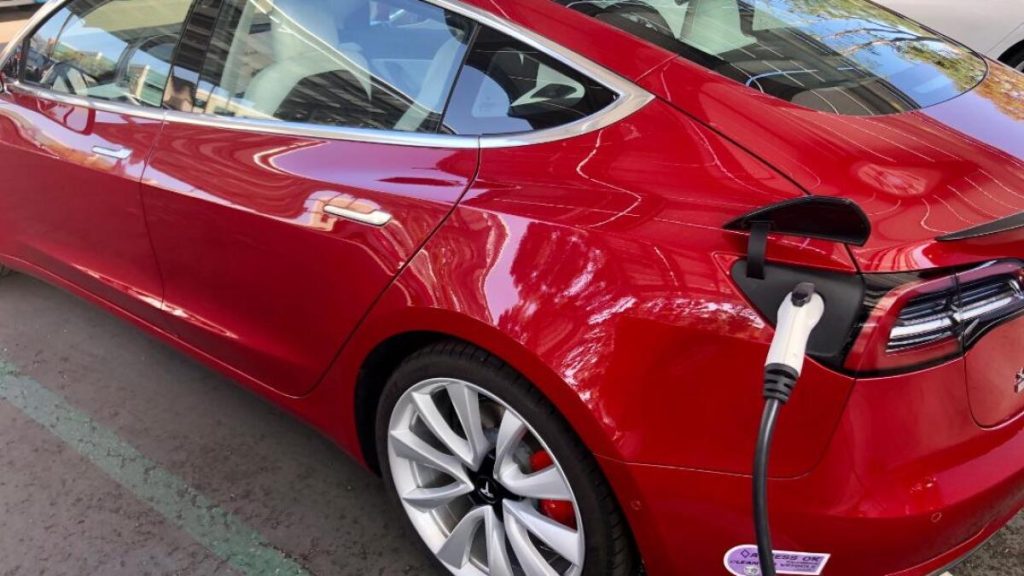
Electric vehicles have been around for a while, but recent advancements in battery technology and charging infrastructure have made them more viable and accessible to the masses. Tesla, in particular, has been at the forefront of this revolution, with their sleek electric cars that boast impressive performance and range. Other automakers have also jumped on the bandwagon, with many releasing their own electric models in recent years. Electric cars offer several benefits over traditional gas-powered vehicles, including reduced emissions, lower operating costs, and a quieter driving experience.

Self-Driving Cars

Self-Driving Cars Self-driving cars are perhaps the most futuristic of all auto innovations, but they are already a reality. Several companies, including Google, Tesla, and Uber, are working on developing autonomous vehicles that can drive themselves without human intervention. Self-driving cars have the potential to reduce accidents and traffic congestion, while also making transportation more accessible to those who are unable to drive. However, there are still many challenges that need to be addressed before self-driving cars can become a mainstream reality, including regulatory and safety concerns.

Connected Cars

Connected cars are another significant auto innovation that is changing the industry. These cars are equipped with sensors and other technologies that allow them to communicate with other vehicles and infrastructure, such as traffic lights and road signs. This connectivity can provide drivers with real-time information about traffic conditions, weather, and other helpful data. Additionally, connected cars can also be used to improve safety, as they can warn drivers of potential hazards and automatically apply the brakes in emergency situations.

Hybrid Vehicles

Hybrid Vehicles

Hybrid vehicles are another auto innovation that has gained popularity in recent years. These cars combine a traditional gasoline engine with an electric motor, which allows them to achieve higher fuel efficiency and lower emissions than traditional gas-powered vehicles. Hybrid cars are particularly popular in urban areas, where their stop-start technology can help to reduce fuel consumption and emissions in heavy traffic.

The automotive industry is experiencing a wave of revolutionary auto innovations that are changing the face of transportation. From electric vehicles to self-driving cars, connected cars, and hybrid vehicles, these innovations are transforming the way we drive and interact with our cars. While there are still many challenges that need to be addressed, such as regulatory and safety concerns, there is no doubt that the future of transportation looks bright.