
Archive

August 2025

Browsing

Car door panels are more than decorative covers. They are part of the vehicle’s safety system. Strong panels can absorb some of the force in a crash. They also protect passengers from sharp edges and flying debris. A damaged or weak panel can reduce the level of protection during an accident. Regular professional servicing keeps panels strong and ready for impact. Service tiers make it easier to select the right level of care for every situation.

Structural Support During Impact

Door panels contribute to the overall strength of the car body. They help distribute the force of a side impact to reduce injury risk. If the panel is bent corroded or weakened it cannot perform this role effectively. A basic service tier checks for visible dents rust or cracks. It also ensures that the panel remains properly aligned with the door frame. This quick inspection catches early damage before it affects structural performance. Basic servicing is ideal for keeping panels in good shape through regular maintenance.

Protecting Internal Safety Features

Modern door panels house important safety components. These can include side airbags reinforcement beams and electronic sensors. If the panel is damaged these systems may not work correctly in a collision. An intermediate service tier goes beyond surface checks. It involves removing the interior trim to inspect internal safety parts. Technicians can detect loose beams damaged mounts or faulty sensors. This service level ensures that all hidden safety elements remain in working order. Intermediate servicing is useful after minor accidents or when warning lights appear. Choosing the Auto Repair in Bakersfield, CA  based service would be a fine choice.

Preventing Weak Points from Developing

Even small defects in a panel can turn into weak points over time. Corrosion loose fittings or misalignment can make the door less resistant to impact. An advanced service tier focuses on restoring full panel integrity. It includes structural repairs protective coatings and reinforcement adjustments. This level also checks that weather seals and drainage points are functioning. Keeping moisture out prevents rust from compromising the panel’s strength. Advanced servicing is recommended for vehicles exposed to harsh conditions or after significant repairs.

Progression of Service Tiers

The service tiers give a clear path to maintaining safety. The basic tier deals with surface damage and alignment issues before they become serious. The intermediate tier protects internal safety components by checking and repairing hidden parts. The advanced tier strengthens the panel structure and guards against future weakness. Each step builds on the last to create better safety results. Owners can start with a lower tier and move up if more protection is needed. This flexibility ensures the vehicle always has panels capable of providing maximum crash resistance.

Conclusion

Well maintained door panels are a critical part of vehicle safety. They add structural support protect internal safety systems and prevent dangerous weak points. Service tiers make it simple to choose the right level of care. From quick visual checks to deep structural restoration each tier plays a role in crash protection. Professional servicing keeps panels strong and ready for unexpected impacts. Regular attention to panel condition improves safety for everyone inside the vehicle.
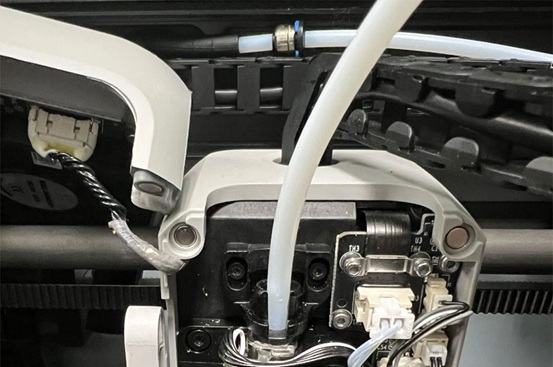
With increasing demands for performance, emission control, and reliability, material innovation plays a crucial role in the development of advanced automotive components.

One such innovation is the use of PTFE tubing in automotive fuel systems. Thanks to its unique chemical and physical properties, PTFE (Polytetrafluoroethylene) tubing has emerged as an indispensable material in fuel delivery lines, vapor recovery systems, and other critical fuel system components.

Challenges in Automotive Fuel Systems

Automotive fuel systems must safely transport fuel from the tank to the engine while preventing leaks, contamination, and vapor loss. Key challenges include:

  • Chemical compatibility: Fuels today often contain additives, ethanol blends, or biofuels that can degrade conventional tubing materials.
  • Temperature extremes: Fuel lines are exposed to hot engine compartments and cold weather conditions.
  • Pressure fluctuations: Fuel pumps and injectors generate varying pressures that tubing must endure without failure.
  • Environmental regulations: Strict emission standards require the containment of fuel vapors to reduce pollution.
  • Durability: Components must last for thousands of miles without cracking, leaking, or deteriorating.

Addressing these challenges requires materials that combine chemical resistance, mechanical strength, and flexibility.

How PTFE Tubing Enhances Fuel Systems

1. Superior Chemical Resistance

PTFE is virtually inert to most chemicals, including hydrocarbons, ethanol, methanol, and other aggressive fuel additives. Unlike rubber or FEP tubing that can swell, crack, or degrade, PTFE tubing remains stable, preventing fuel contamination and ensuring consistent flow characteristics throughout the vehicle’s lifespan.

2. High Temperature Tolerance

Operating temperatures in automotive fuel systems can range from sub-zero environments to well over 200°C near engine components. PTFE tubing can withstand temperatures from approximately -70°C to +260°C without losing its mechanical integrity or becoming brittle, making it ideal for use close to the engine or exhaust system where heat resistance is critical.

3. Low Permeability and Vapor Barrier

PTFE tubing provides excellent resistance to fuel vapor permeation, helping automotive manufacturers meet stringent environmental standards by reducing evaporative emissions. This containment helps protect the environment and improves overall vehicle efficiency.

4. Flexibility and Lightweight

The flexible nature of PTFE tubing allows easier routing within the tight and complex spaces of modern vehicles. Its lightweight profile also contributes to reducing overall vehicle weight, which is beneficial for fuel economy and emissions.

5. Durability and Longevity

PTFE’s resistance to cracking, abrasion, and aging means fuel system components last longer, reducing maintenance costs and improving vehicle reliability. PTFE tubing maintains its integrity even under repeated vibration and pressure cycles common in automotive environments.

6. Non-Flammable and Safe

PTFE’s high melting point and non-flammable nature add a layer of safety by reducing fire hazards associated with fuel systems, especially in case of leaks or accidents.

Typical Applications of PTFE Tubing in Automotive Fuel Systems

  • Fuel Lines: From the tank to the engine, PTFE tubing safely transports gasoline or diesel fuel.
  • Vapor Recovery Systems: Prevents vapor loss and reduces emissions in fuel tanks and charcoal canisters.
  • Fuel Injector Lines: High-pressure fuel delivery lines benefit from PTFE’s chemical resistance and durability.
  • Fuel Filter Connections: Ensures clean fuel delivery by providing stable connections that resist degradation.

Industry Trends and Future Outlook

With the automotive industry moving towards hybrid and alternative fuel vehicles, the chemical composition of fuels is diversifying. PTFE tubing’s versatility makes it well-positioned to adapt to future fuels such as bioethanol, hydrogen blends, and synthetic fuels.

Moreover, advances in PTFE composites and multilayer tubing are further enhancing performance by improving abrasion resistance and mechanical strength, while maintaining chemical inertness.

Conclusion

PTFE tubing plays a vital role in enhancing automotive fuel systems by offering superior chemical resistance, high temperature tolerance, durability, and environmental compliance. Its application improves fuel delivery efficiency, reduces maintenance costs, and supports the automotive industry’s move towards cleaner, safer, and more efficient vehicles. As material science progresses and fuel technologies evolve, PTFE tubing is set to remain a cornerstone component in the design of advanced automotive fuel systems.

How to Protect Your Investment and Ensure Quality Service

Diesel trucks are built for power and longevity, but like any machine, they need expert care to stay at peak performance. Whether it’s a routine service or a major repair, choosing the right diesel repair shop is essential. But it’s not just about who’s closest or cheapest—it’s about who’s qualified, trustworthy, and transparent.

Before handing over your keys, asking the right questions can make all the difference. Here are the top questions to ask your diesel repair shop to ensure you’re leaving your vehicle in capable hands.

1. Do You Specialize in Diesel Repairs?

This might seem obvious, but it’s an important first step. Diesel engines require different tools, knowledge, and diagnostic equipment compared to gas-powered vehicles. Not every general repair shop is equipped—or experienced—enough to properly diagnose and service diesel issues.

Ask specifically whether they have technicians trained in diesel engine technology and if they work on vehicles like yours regularly. A shop that specializes in diesel will have deeper insight into common problems, brand-specific quirks, and the best long-term solutions.

2. Are Your Technicians Certified?

The experience of the mechanic handling your truck matters just as much as the shop’s reputation. Certifications like ASE (Automotive Service Excellence) or manufacturer-specific training demonstrate that a technician has undergone extensive education and testing.

When it comes to something as valuable as your diesel truck, you’ll want to know the diesel truck mechanic working on it has proven their expertise and keeps up with evolving engine technology.

3. What Diagnostic Tools Do You Use?

Today’s diesel engines are complex, and most issues require high-tech diagnostic tools to properly evaluate. A professional diesel repair shop should use modern scanning tools that can accurately read trouble codes, assess performance data, and pinpoint issues without guesswork.

If the shop relies heavily on manual checks or “what we’ve seen before” logic alone, consider that a red flag. Proper diagnostics save time, money, and unnecessary parts replacements.

4. Do You Provide a Detailed Estimate Before Starting Work?

Transparency is key when it comes to pricing. A trustworthy diesel repair shop will provide a detailed, itemized estimate before doing any work. This includes a breakdown of parts, labor, and diagnostic fees—along with a clear explanation of what’s urgent and what can wait.

You should never feel pressured or blindsided by unexpected charges after the fact. If a shop hesitates to provide a written estimate or brushes off questions about pricing, it’s time to look elsewhere.

5. What Is Your Warranty on Parts and Labor?

A solid warranty is a sign that the shop stands behind its work. Ask what kind of warranty they offer on both parts and labor. Are the parts OEM (original equipment manufacturer) or aftermarket? How long is the coverage period? What does it include—and exclude?

A reputable shop will have no problem sharing this information and explaining the warranty terms in plain language. This not only protects your wallet in case something goes wrong but also speaks to the shop’s confidence in the quality of their repairs.

6. Do You Keep Service Records for My Vehicle?

Keeping accurate service records is essential for resale value, future maintenance, and warranty claims. Ask whether the shop maintains detailed records of all services performed on your truck—and whether you’ll receive copies for your own files.

Shops that offer digital records or customer portals make it even easier to keep tabs on your truck’s health over time, ensuring nothing falls through the cracks.

7. How Do You Handle Communication During the Repair Process?

Clear and timely communication can turn a stressful repair into a seamless experience. Ask how and when they’ll contact you during the process—will they call before performing additional work? Do they offer text or email updates? Can you speak directly to the technician?

Understanding how the shop handles customer communication ensures you’re never left in the dark, especially if the job takes longer or turns up unexpected issues.

Your diesel truck is more than just a vehicle—it’s an investment. Whether you rely on it for work, recreation, or both, proper care starts with choosing a repair shop that earns your trust. By asking the right questions upfront, you not only protect your vehicle but also build a relationship with a shop that can serve you for years to come.

Don’t settle for vague answers or rushed explanations. A qualified diesel mechanic will appreciate your interest, respect your concerns, and provide clear, confident responses. After all, an informed truck owner is a shop’s best customer—and your diesel deserves nothing less.