Category

Maintenance

Category

Keeping your vehicle clean in Indianapolis is about more than making it look good. The city’s changing seasons can expose your car to road salt, snow, rain, dirt, pollen, heat, and other contaminants that can affect both the interior and exterior. For this reason, knowing the best time of year for car detailing in Indianapolis, IN can help you protect your vehicle and keep it looking its best throughout the year.

Indianapolis experiences four distinct seasons, and each one creates different challenges for vehicle owners. Winter brings snow, freezing temperatures, and road treatments, while spring introduces rain, mud, and pollen. Summer can expose your vehicle to heat and intense sunlight, and fall brings leaves, dirt, and preparation for another winter.

Although professional car detailing can be beneficial at any time of year, certain seasons are particularly important for different types of detailing services.

Spring Is One of the Best Times for Car Detailing in Indianapolis

Spring is often considered one of the best times to schedule car detailing in Indianapolis, IN. After several months of winter driving, your vehicle may have accumulated road salt, dirt, slush, mud, and other contaminants.

Indianapolis normally experiences winter conditions from around late fall through early spring. The Indiana Department of Transportation typically conducts winter operations from mid-November through mid-March, using salt and brine to help keep roads safe during snow and ice events.

That means your vehicle can spend months being exposed to winter road conditions.

A thorough spring detail can help remove accumulated grime from the exterior, wheels, tires, wheel wells, and other areas. Interior detailing can also remove the dirt, moisture, and debris that may have been tracked inside throughout the winter.

Why Spring Car Detailing Matters

Spring is a good time to consider:

  • Exterior car detailing
  • Interior car cleaning
  • Deep interior cleaning
  • Wheel and tire cleaning
  • Carpet and upholstery cleaning
  • Paint decontamination
  • Waxing or paint protection
  • Odor removal
  • Full service car detailing

Spring is also a practical time to inspect the condition of your vehicle’s paint. Removing contaminants before they remain on the surface for an extended period can help maintain the appearance of your vehicle.

Summer Is Ideal for Exterior Protection

Indianapolis summers can be warm, with average high temperatures reaching approximately 82°F in June, 85°F in July, and 84°F in August, according to National Weather Service climate averages.

Summer is therefore another excellent season for auto detailing in Indianapolis.

A clean vehicle is easier to maintain throughout the summer, especially if you regularly drive around Indianapolis, commute to work, take road trips, or spend time outdoors.

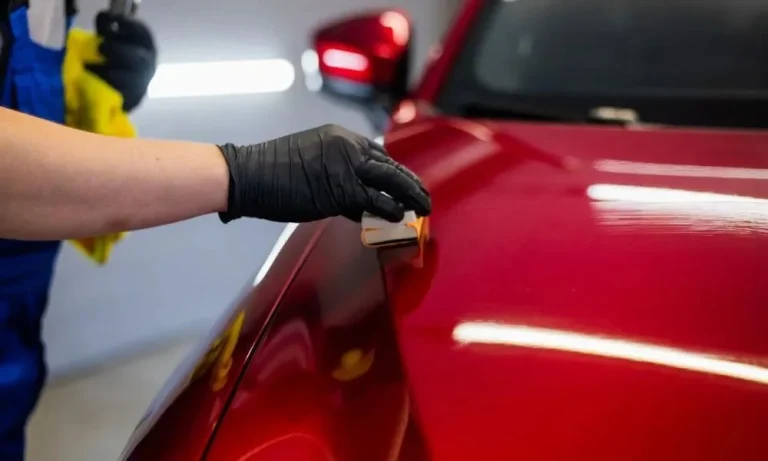
Summer detailing can focus on both cleaning and protecting the vehicle. Depending on your vehicle’s condition, professional detailers may offer services such as exterior washing, paint decontamination, polishing, waxing, sealants, and ceramic coating.

Consider Paint Protection Before Summer

If you want to maintain your vehicle’s appearance during the warmer months, summer can be a good time to consider paint protection.

Common options include:

  • Car wax
  • Paint sealant
  • Ceramic coating
  • Paint correction
  • Exterior detailing
  • Headlight restoration

A professional car detailing service can evaluate your vehicle’s paint and recommend an appropriate maintenance approach.

Summer is also a popular time for interior detailing. Dirt, dust, food particles, spills, and daily use can quickly make your vehicle’s cabin look and feel less clean.

Fall Is the Perfect Time to Prepare Your Vehicle for Winter

Fall is another important season for car detailing in Indianapolis, IN because it provides an opportunity to prepare your vehicle before winter arrives.

Indianapolis typically sees the first fall freeze around October, based on National Weather Service climate data. Average temperatures also begin dropping significantly during the fall months.

Getting your vehicle detailed before winter can help establish a clean and protected starting point.

A fall detailing appointment may include:

  • Exterior deep cleaning
  • Interior detailing
  • Carpet cleaning
  • Upholstery cleaning
  • Wheel cleaning
  • Paint protection
  • Wax application
  • Ceramic coating maintenance
  • Glass cleaning
  • Leather conditioning

Fall is also a good time to remove leaves and organic debris from areas around the vehicle. Keeping exterior surfaces clean before winter can make seasonal maintenance easier.

Why Winter Preparation Is Important

Once winter weather arrives, Indianapolis drivers may encounter snow, ice, slush, and road treatments. INDOT reports that it uses salt and brine as part of winter road operations.

For vehicle owners, this makes regular cleaning particularly important during and after periods of winter weather.

Scheduling professional car detailing before winter can help you start the season with a clean exterior and protected paint.

Winter Is Still a Good Time for Car Detailing

Some vehicle owners assume that winter is not a good time for car detailing near me, but winter detailing can actually be extremely useful.

Indianapolis receives an average of approximately 25.5 inches of snow annually, with measurable average snowfall occurring primarily from November through March.

Winter driving can leave vehicles covered in:

  • Road salt
  • Salt brine
  • Slush
  • Mud
  • Snow residue
  • Road grime
  • Dirt
  • Moisture

Because these contaminants can accumulate quickly, waiting until spring for every cleaning may not be the best approach.

Instead, consider maintaining your vehicle throughout the winter with periodic washes and interior cleanings.

How Often Should You Detail Your Car in Winter?

The ideal schedule depends on how frequently you drive and the weather conditions. Drivers who commute every day or frequently travel on treated roads may need more frequent exterior cleaning than someone who rarely drives.

After significant snow or ice events, cleaning the vehicle once conditions allow can help remove accumulated road grime and salt residue.

So, What Is the Best Season for Car Detailing in Indianapolis?

There is no single season that is perfect for every vehicle owner. The best time depends on your vehicle’s condition and what you want to accomplish.

However, each season offers a different detailing opportunity.

Spring: Best for removing winter grime, salt, dirt, and debris.

Summer: Good for exterior cleaning, paint protection, and interior maintenance.

Fall: Ideal for preparing your vehicle before winter conditions arrive.

Winter: Important for maintaining cleanliness and removing salt, slush, and road grime.

For many Indianapolis drivers, a seasonal detailing schedule can provide better long-term maintenance than waiting until the vehicle becomes heavily soiled.

How Often Should You Get Car Detailing in Indianapolis?

There is no universal schedule that works for every vehicle. Your ideal car detailing frequency depends on several factors, including how often you drive, where you park, whether you have children or pets, and how exposed your vehicle is to outdoor conditions.

A vehicle used for daily commuting may benefit from professional detailing several times per year. A vehicle that is driven less frequently may require fewer appointments.

A practical approach for many Indianapolis vehicle owners is to schedule a thorough detail during spring and another before winter, while using regular washes and maintenance cleanings throughout the year.

If your vehicle experiences heavy use, you may benefit from additional interior car detailing or exterior detailing between those seasonal appointments.

Don’t Forget About Interior Car Detailing

Exterior cleaning gets much of the attention, but your vehicle’s interior also needs regular care.

Indianapolis weather can lead to moisture, dirt, mud, and debris being tracked inside the vehicle. During winter, drivers may also bring in slush and road residue on their shoes.

Professional interior car detailing in Indianapolis can address areas such as:

  • Floor mats
  • Carpets
  • Seats
  • Door panels
  • Dashboards
  • Center consoles
  • Cup holders
  • Interior glass
  • Leather surfaces
  • Fabric upholstery

Regular interior car cleaning can make your vehicle more comfortable while helping maintain its overall condition.

When Should You Schedule Paint Correction?

If your vehicle has noticeable swirl marks, light scratches, oxidation, water spots, or dull-looking paint, simply washing it may not restore its appearance.

This is where paint correction in Indianapolis may be appropriate.

Paint correction is generally best performed when the vehicle can be thoroughly cleaned and the paint can be properly inspected and treated. Spring, summer, and early fall can all be suitable depending on weather conditions and the specific detailing facility.

Paint correction can also be combined with paint protection services such as a ceramic coating or sealant.

When Is the Best Time for Ceramic Coating?

If you are considering ceramic coating in Indianapolis, IN, timing matters because the vehicle’s paint needs to be properly prepared before the coating is applied.

Ceramic coating is designed to provide a protective layer over the vehicle’s paint and can make routine maintenance easier. However, proper preparation is an important part of the process.

Many vehicle owners choose spring, summer, or early fall for paint protection services. Regardless of the season, the vehicle should be properly cleaned, decontaminated, and prepared before the coating is applied.

Why Regular Car Detailing Is Worth It

Professional detailing is not simply about making your vehicle look clean for a day. Regular maintenance can help preserve the appearance of your vehicle over time.

Routine vehicle detailing can help address contamination before it becomes a bigger cosmetic problem. It can also keep the interior cleaner and make the vehicle more enjoyable to drive.

If you plan to sell or trade in your vehicle, maintaining its appearance may also help create a better presentation for potential buyers.

For Indianapolis drivers, seasonal vehicle care is especially useful because the vehicle is exposed to significantly different environmental conditions throughout the year.

Final Thoughts

The best time of year for car detailing in Indianapolis, IN depends on what your vehicle needs. Spring is excellent for cleaning away winter buildup, summer is a good opportunity to maintain the exterior and protect the paint, fall is ideal for preparing for winter, and winter detailing can help remove salt and road grime.

Rather than waiting until your vehicle looks extremely dirty, consider making car detailing part of your regular vehicle maintenance routine.

A seasonal approach can help you stay ahead of Indianapolis weather and keep your car looking cleaner throughout the year. Whether you need auto detailing near me, car interior cleaning near me, professional car detailing, or a complete exterior and interior detail, choosing the right time can make your vehicle maintenance routine more effective.

Frequently Asked Questions

What is the best time of year for car detailing in Indianapolis?

Spring and fall are particularly useful times for professional detailing. Spring helps remove winter buildup, while fall allows you to prepare your vehicle before winter weather arrives.

Should I detail my car before winter in Indianapolis?

Yes. A pre-winter detailing appointment can remove existing dirt and grime and give you an opportunity to apply appropriate paint protection before winter driving conditions begin.

How often should I get my car professionally detailed?

The ideal frequency depends on your driving habits, vehicle usage, parking conditions, and personal preferences. Many drivers benefit from professional detailing several times per year.

Is winter car detailing worth it?

Yes. Winter driving can expose vehicles to snow, slush, road grime, salt, and brine. Regular cleaning can help keep these contaminants from accumulating on the vehicle.

What does a full car detailing service include?

Services vary by detailer, but a full detail may include exterior washing, wheel and tire cleaning, interior vacuuming, carpet and upholstery cleaning, glass cleaning, surface cleaning, and paint protection.

When should I get paint correction in Indianapolis?

Paint correction can be performed when conditions are suitable and the vehicle can be thoroughly cleaned and prepared. Spring, summer, and early fall are commonly convenient periods for this type of service.

What are the benefits of professional car detailing?

Professional detailing can improve the appearance of your vehicle, remove accumulated contaminants, clean difficult-to-reach areas, and help maintain the condition of both the interior and exterior.

A useful fleet wheel report records what the driver noticed and routes it to the person responsible for an appropriate response. It should not require the driver to diagnose a bend, decide repairability or choose a finish service. Make the vehicle, event and observation clear, then keep the assessment and outcome connected to that report. The process works best when reporting a concern is straightforward.

Let the observation arrive without a diagnosis

A driver may notice a visible mark while parked, report an impact or describe a change in the way a vehicle feels. Each is a legitimate starting point for a report. If the reporting form demands a repair category, the driver may choose a familiar label that does not accurately describe the concern. Begin with an observation field before asking anyone to name the work.

Language such as “new mark on the outer edge” or “vibration noticed after the event” can be useful without implying a confirmed cause. Encourage staff to distinguish what they directly observed from what they suspect. The person arranging assessment can pass that information along, allowing the relevant professional to determine what it means for the vehicle.

Immediate handling of a suspected safety concern should follow the organisation’s procedures and appropriate professional guidance. Reporting is not a reason to keep driving until more evidence is available. Drivers should know whom to contact when the vehicle may need assistance or assessment before further use. A routine cosmetic-work queue is not an appropriate substitute for that response.

Keep the initial exchange focused on obtaining accurate information. A conversation that immediately becomes an argument about blame can distract from the condition that needs attention. Accountability processes may still exist within the business, but the maintenance report should preserve a factual account that an assessor can use.

Capture the vehicle and event, not a theory

The vehicle identifier is essential in a fleet where several similar cars or vans may be in use. A model name alone is insufficient if the report could attach to the wrong asset. Use the organisation’s established identifier and make the affected wheel position clear when known. If the driver cannot identify it confidently, record that uncertainty instead of selecting a position at random.

The date and circumstances help establish sequence. Was the concern noticed during a normal walk-around, after a known event or following recent service? The driver should not need to provide an elaborate narrative. A concise account of the relevant facts is easier to review and less likely to bury the observation beneath speculation.

Photographs can support the report when they can be taken safely and appropriately. They should show enough context to identify the vehicle or wheel and enough detail to communicate the visible concern. Staff should not move into unsafe locations, crawl under vehicles or interfere with components to obtain an image. A photograph is helpful evidence, not a requirement that overrides safe handling.

Attach relevant existing information where the business holds it. Recent wheel work or an earlier report may be important context. The driver should not be expected to know the complete service history, especially for a pool vehicle. The coordinator can connect the new observation to the fleet record before sending the vehicle for assessment.

Route the report to the right decision-maker

A report has limited value if it reaches a shared inbox without an owner. Assign responsibility for reviewing the concern, arranging the appropriate assessment and communicating the vehicle’s status. That person should distinguish a condition matter from an elective appearance request and use the business’s established process for each.

When external help is needed, provide the observation and relevant history rather than only a guessed instruction. “Assess the wheel following this reported event” leaves room for a professional recommendation. “Refinish this wheel” may be too narrow if the concern has not yet been assessed. The wording of the request should reflect what is known at that stage.

Onyx Rims’ Toronto fleet support describes inspection-led recommendations for suitable wheel damage and worn finishes. Its information separates structural assessment from cosmetic work. A fleet coordinator can use that service scope when arranging a discussion, while confirming suitability for the actual vehicle and avoiding assumptions about universal repairability or turnaround.

Make approval authority clear to the provider. If the recommendation changes after inspection, it should know who can authorize the revised scope. The driver delivering the vehicle may not be that person. A defined decision route avoids asking someone without authority to approve work simply because they are the person standing at the counter.

Show the driver how the report was resolved

Once assessment or work is complete, return an understandable status to the people using and scheduling the vehicle. They should know whether the concern was addressed, whether further attention is required and which instructions apply. An internal note that says only “done” may not answer the driver’s original observation or tell dispatch what it needs to know.

Retain the report and outcome together. If a related observation appears later, the business can see what was previously noticed and what work followed. This is particularly useful where vehicles rotate among staff. The record provides continuity that no single driver’s memory can reliably supply.

Use repeated reporting difficulties to improve the process. If staff regularly choose the wrong vehicle identifier or confuse wheel positions, make the form clearer. If reports arrive without essential context, explain what information helps and why. The aim is a usable system that gets better with ordinary experience, not a form so demanding that people avoid it.

A driver’s observation is the beginning of the maintenance conversation. The business adds history and coordination; the appropriate assessor provides the condition judgment; the outcome returns to the people who use the vehicle. When those responsibilities are clear, a small report can lead to a much better-informed decision.

The internal combustion engine relies on balanced internal parts for optimum operational performance. Tiny circular metal seals known as piston rings ensure that the combustion process remains contained. Modern vehicle owners often overlook these miniature parts during regular engine inspections. But worn seals directly disrupt fuel delivery and combustion pressure inside the cylinders. Sometimes, drivers notice sudden power drops alongside rapid gasoline consumption during ordinary city drives. A compromised seal allows fuel energy to escape before creating productive wheel power. Understanding this mechanical relationship helps motorists maintain peak fuel economy across all driving conditions.

The Vital Role of Compression Seals

The upper compression rings seal the space between pistons and cylinder walls. This mechanical barrier prevents energetic fuel gases from leaking into the lower crankcase. Proper cylinder pressure allows the air mixture to burn with maximum physical force. But weak rings create unwanted blowby that wastes valuable atomized gasoline during acceleration. Experienced mechanics at Auto Medict explain that pressure loss forces engines to burn excess fuel.

Managing Lubrication and Oil Control

The lowest ring assembly controls lubricant distribution along the polished cylinder walls. Motor oil reduces mechanical friction between the moving metal parts inside the chamber. Now, failing oil scraper rings allow motor oil to enter the upper combustion area. The burning motor oil pollutes the delicate gasoline mixture during the ignition stroke. This unwanted mixture produces incomplete fuel combustion and dense deposits on internal surfaces.

Modern automotive experts at Auto Repair in Bradenton, FL service diagnose this contamination by checking exhaust smoke. But contaminated fuel mixtures burn slowly and fail to deliver full driving power. The vehicle computer responds by injecting surplus gasoline into cylinders to compensate. Therefore, failed oil control rings indirectly increase fuel consumption during standard travel. Fresh rings keep motor oil strictly separated from the clean combustion zone.

Minimizing Friction for Maximum Mileage

So smooth ring surfaces allow pistons to travel freely during high engine speeds. Reduced physical resistance inside cylinders directly lowers overall gasoline demand during extended trips. Clean engine oil protects the ring coating against rough abrasive contact wear. Regular maintenance appointments at Auto Medict keep internal engine friction within optimal factory specifications. Smooth gliding pistons convert fuel heat into pure vehicular motion without needless resistance.

Thermal Transfer and Engine Operating Temperature

Piston crowns absorb enormous heat Auto Medict energy during each successful spark plug detonation. Onboard computers spray additional liquid fuel to cool down hot internal metal. This protective cooling strategy wastes large amounts of gasoline during ordinary highway driving. Effective heat dissipation through fresh rings keeps combustion temperatures stable and efficient. Stable cylinder temperatures prevent wasteful emergency fuel enrichment strategies during lengthy road trips.

You run hard schedules and tight margins. I want you to spend less time on the shoulder and more time on the job. My picks below come from what keeps engines clean, fuel flowing, and parts protected under real work conditions, not just on paper. I favor proven formulas, broad compatibility, clear dosing, and strong guarantees. Brands like Howes Products check those boxes and offer a full plan you can set once and follow across your trucks and machines.

Here is how I suggest you think about diesel care. Start with prevention, keep injectors clean year-round, have an emergency fix on hand, and protect parts that move. Then match form factors to how you fuel: single bottles for small tanks, bulk for yards and fleets. This article gives you the short list and a simple plan you can use right now.

Why This Matters

Modern diesel runs cleaner but has less natural lubricity. That means pumps and injectors need help. Cold snaps turn untreated fuel into a headache. Water in tanks can freeze, rust parts, and foul filters. Over time, deposits rob power and make starts rough.

A small monthly plan beats big repairs. With the right products, you protect injectors, reduce filter issues, and keep power steady through heat and cold.

A Simple, Reliable Maintenance Plan

Think in three layers:

  • Prevent: treat fuel before problems start
  • Maintain: keep injectors clean and lubricated all year
  • Rescue: fix gelled fuel and frozen filters fast

Add two support layers:

  • Protect: lubricate moving parts and stop rust
  • Improve: help oil and fuel do their jobs under load

Top Picks and How to Use Them

1) Cold-Weather Prevention: Diesel Treat

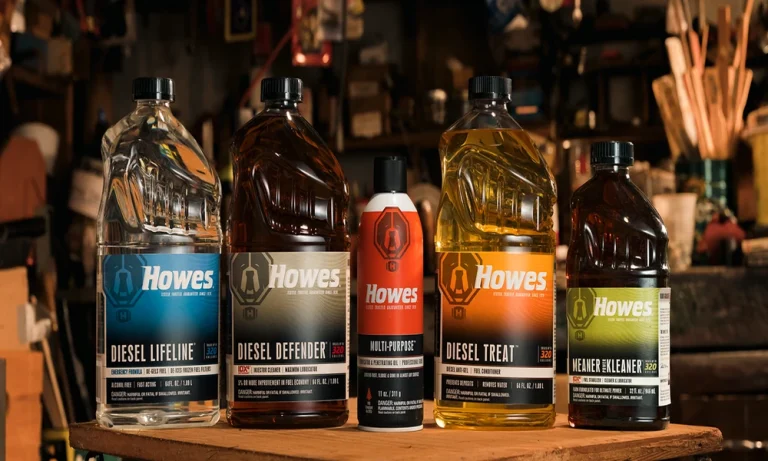
Use this ahead of winter and before every cold front. Diesel Treat helps stop gelling, reduces cold filter plugging, adds lubricity, and removes water through demulsification. It has no alcohol or harsh solvents, which I look for to protect seals and modern systems.

I suggest you treat before the first real cold snap and keep dosing with each fill while temps stay low. They back it with a Winter Tow Guarantee when used as directed, which shows confidence in the formula.

Who benefits:

  • Long-haul and regional trucks in cold regions
  • Ag and construction equipment that sits outside
  • Pickups and RVs that face overnight freezes

2) Year-Round Cleaning and Lubrication: Diesel Defender

Use this across seasons to keep injectors clean and fuel lubricated. The IDX4 detergent tech is built to remove internal diesel injector deposits and help prevent new buildup. Clean spray patterns support smooth starts and a more complete burn. It also demulsifies water, which supports better water removal at the separator.

They publish a fuel economy improvement guarantee of 5% or more with regular use. That matters for fleets and anyone tracking cost per mile.

Who benefits:

  • Daily driver pickups and RVs
  • Freight haulers with steady routes
  • Ag and industrial equipment on ULSD and biodiesel blends

How to run Diesel Treat and Diesel Defender together:

  • Cold season: primary is Diesel Treat
  • Mild to warm season: switch to Diesel Defender
  • Shoulder months: use Diesel Treat on forecasted freeze nights, Defender the rest of the time

3) Emergency Recovery: Diesel Lifeline

Keep this in the cab during winter. If fuel gels or the filter ices, Diesel Lifeline is made to reliquefy fuel and de-ice filters fast, even in severe cold. No premix needed. It can help you avoid a filter change and get moving again in about a quarter hour.

Who benefits:

  • Anyone who cannot wait for a thaw or a tow
  • Plow trucks, farm tractors, and off-road equipment that run in deep cold

4) Deeper Cleaning: Meaner Power Kleaner

If throttle response feels dull or you see smoke and rough idle, a stronger clean can help. Run Meaner Power Kleaner as directed to target stubborn deposits that normal maintenance may not clear.

Use this before busy seasons or after buying used equipment.

5) Oil System Support: Oil Enhancer

High load and long intervals stress oil films. Oil Enhancer is designed to reduce friction and protect internal parts. I recommend it for older engines, heavy tow rigs, and any machine that sees hot, dusty work.

6) Fuel Conditioning and Efficiency: Fuel Enhancer

For users who want better combustion and cleaner system operation beyond routine cleaning, Fuel Enhancer supports fuel quality and burn. Pair it with a cleaning regimen if you chase smoother starts and consistent pull.

7) General Protection: Multi-Purpose Lubricator and Penetrating Oil

Keep a can in the truck and shop. It penetrates, displaces water, loosens rust, and leaves a protective film that does not attract dirt. Use it on linkages, locks, air tools, hinges, chains, cables, and electrical connections. It also works on rubber, vinyl, leather, and chrome.

How to Dose and Apply

  • Treat before filling: add the product, then fuel, to mix in the tank
  • Match dose to fuel blend and temperature: follow the label for winter vs moderate temps
  • Keep an emergency bottle in-cab: Lifeline for winter routes, plus a spare filter and wrench
  • Log treatments: a simple notebook or app helps you see patterns in starts, smoke, or filter life

Cold-Weather Playbook

  • Before first frost: treat tanks with Diesel Treat and drain water separators
  • During freezes: treat each fill and store a bottle of Diesel Lifeline on board
  • After winter: run Diesel Defender to clean and lube injectors for spring work

Fleet and Bulk Considerations

For yards, farms, and shops that pump from storage, bulk formats cut cost and make dosing consistent. Treat storage tanks by capacity and set a schedule tied to deliveries. One supplier across trucks, tractors, off-road gear, and marine units simplifies training and inventory.

Why I Recommend Howes

  • Full system coverage: prevention, cleaning, emergency rescue, lubrication, and oil support
  • Formulas without alcohol or harsh solvents: friendly to seals and modern emission systems
  • Water management through demulsification: better for separators and filter life
  • Clear, task-specific products: easy to train drivers and techs
  • Guarantees: Winter Tow Guarantee on Diesel Treat and a 100% money-back satisfaction policy across the lineup

They have over a century of focus on preventative maintenance and field use. That history shows in how the products are built and supported.

Common Mistakes to Avoid

  • Treating after a cold front hits instead of before it
  • Mixing products at random without a plan
  • Ignoring water separators and tank caps that do not seal
  • Skipping injector cleaning until power drops
  • Running a single bottle across trucks with very different duty cycles

A Short Starter Checklist

  • Cold season: Diesel Treat in every fill, Diesel Lifeline in the cab
  • Warm season: Diesel Defender in routine fills
  • Quarterly or as needed: Meaner Power Kleaner for deeper cleaning
  • Ongoing: Multi-Purpose Lubricator for parts and tools, Oil Enhancer for engines under heavy load
  • For fleets and farms: set up bulk treatment and a simple log

Set this plan once and stick to it. Your engines will start cleaner, run stronger, and face winter with less drama.

A tire puncture can create more than an obvious loss of tire pressure. It can also activate the Tire Pressure Monitoring System warning on the dashboard. Now the warning provides an important indication that tire pressure needs immediate attention. The system continuously monitors pressure conditions within individual tires during normal driving. When pressure falls below an acceptable level the warning may illuminate. Understanding this connection helps drivers respond appropriately before further tire damage develops.

How TPMS Detects Pressure Loss

The Tire Pressure Monitoring System uses sensors to monitor tire inflation conditions. These sensors can measure pressure directly within individual wheels on many vehicles. Some vehicles instead calculate pressure changes through the wheel speed system. Both approaches are designed to identify potentially unsafe pressure differences. A puncture can therefore trigger the warning when escaping air changes tire pressure.

Why A Small Puncture Can Activate the Warning

A small puncture may release air slowly from the tire during everyday driving. This gradual loss can eventually reach the monitoring system threshold. The tire may still contain enough air to appear properly inflated visually. However reduced pressure can affect handling stability and tire temperature during driving.

Driving With Low Pressure Can Create Additional Tire Damage

A puncture that activates TPMS should receive attention before extended driving continues. Low tire pressure increases rolling resistance and creates additional heat within the tire. Excessive heat can gradually affect internal tire components during prolonged operation. The damage may become more serious even when the original puncture remains small.

The TPMS warning does not identify the exact cause of pressure loss. Other issues can include valve leakage or damaged wheel components. Temperature changes can also influence pressure readings during different driving conditions. Charlie and Ray’s Auto Repair can inspect the tire and surrounding components to identify the actual cause.

What To Do When the TPMS Warning Appears

Some vehicles require TPMS recalibration after correcting tire pressure or repairing punctures. The required procedure varies according to the vehicle and monitoring system. A warning that remains illuminated can indicate another sensor or system issue. Therefore, Charlie and Ray’s Auto Repair can perform appropriate diagnostic checks when the warning does not disappear.

Professional attention can also determine whether a punctured tire remains repairable. The puncture location and internal tire condition influence that decision significantly. Auto Repair in Essex, MD service can provide suitable inspection when tire pressure warnings appear. Prompt assessment helps reduce the possibility of further tire and wheel damage.

Conclusion

When a puncture causes repeated pressure loss Charlie and Ray’s Auto Repair can assess the complete tire system. Proper diagnosis helps determine whether repair or replacement represents the appropriate service. The TPMS warning should therefore be treated as useful information rather than ignored. Timely professional attention can prevent a small tire problem from becoming more complicated.

A bubbling coolant reservoir can signal serious trouble inside the engine cooling system. The visible bubbles may appear harmless during normal driving conditions. But continuous bubbling often indicates unwanted gases entering the cooling passages. A damaged head gasket can create exactly this dangerous situation. So understanding the cause helps prevent severe engine damage and expensive repairs. Sometimes early symptoms appear before major overheating or complete engine failure. Now careful observation can help identify trouble before repairs become more complicated.

How the Head Gasket Separates Engine Passages

The head gasket creates an important seal between the cylinder head and engine block. This Doug’s Alignment gasket separates several internal passages carrying different fluids and combustion gases. Engine coolant travels through dedicated passages surrounding the combustion chambers. Engine oil also travels through separate channels around moving internal components. Combustion gases remain inside cylinders during normal engine operation. A healthy gasket keeps these different systems properly separated during operation. However a damaged gasket can allow pressure to cross those boundaries. That failure creates unusual pressure inside the cooling system.

Overheating Can Develop From Continued Pressure

A compromised head gasket can cause more than visible reservoir bubbling. Combustion gases can disturb normal coolant circulation throughout the engine. Gas pockets may form inside passages that should remain filled with coolant. These pockets can reduce efficient heat transfer from engine components. The engine temperature may then rise beyond its normal operating range. Continued overheating can place additional stress on the cylinder head. Warped components may develop when excessive heat remains present for extended periods.

The problem can become progressively worse without timely professional inspection. A weakened gasket may allow increasing amounts of combustion gas into coolant. Rising pressure can also push coolant toward overflow areas. Coolant loss may eventually leave important engine components without sufficient protection. Reduced coolant levels can increase overheating risks during demanding driving conditions. So repeated bubbling combined with temperature changes requires prompt diagnostic attention. Auto Repair in Goshen, IN service can help identify the underlying cooling system problem.

Professional Diagnosis Can Prevent Greater Engine Damage

Accurate diagnosis usually begins with a careful inspection of the cooling system. Technicians can examine coolant condition and pressure behavior during testing. Specialized tests can also detect combustion gases within the cooling system. Compression testing may reveal unusual pressure differences between engine cylinders. Leak down testing can provide additional information about internal sealing problems. These methods help distinguish gasket failure from unrelated cooling system concerns.

Doug’s Alignment can provide professional guidance when bubbling continues inside the coolant reservoir. A careful inspection can determine whether combustion gases are entering coolant passages. Early action may prevent additional overheating and expensive secondary engine damage. The safest approach involves addressing persistent bubbling rather than ignoring it. A healthy cooling system should maintain stable coolant circulation during normal operation. When bubbling becomes continuous the engine deserves immediate professional attention.

Paint protection film has moved from being a specialist product for exotic cars to a practical choice for everyday vehicles. Drivers now use it to protect new paintwork, preserve higher-value cars, and reduce the cosmetic damage caused by ordinary road use. Yet the growing number of films available has also made choosing the right one more complicated.

The best paint protection film is not simply the thickest product or the one with the most impressive specification sheet. A quality film needs to combine transparency, durability, flexibility, surface performance, and predictable installation. Understanding those qualities makes it easier to separate genuinely capable products from films that may look acceptable immediately after installation but perform poorly over time.

Why Optical Clarity Matters More Than It First Appears

Paint protection film is designed to protect a vehicle without distracting from its original appearance. For that reason, transparency is one of the first characteristics worth evaluating.

A good clear film should allow the depth, metallic flake, pearl effect, or gloss of the factory paint to remain visible. Poorer films may introduce slight cloudiness, texture, or distortion, particularly when viewed under bright lighting or across dark paintwork.

Optical quality becomes especially important when only selected panels are protected. If the bonnet, bumper, and mirrors have film while the doors remain uncovered, noticeable differences in clarity or gloss can make the installation easier to see.

Higher-quality films are engineered to create a more uniform surface so that protected and unprotected panels remain visually consistent. Although every installation can be detected under certain lighting conditions, good material should not make the car appear as though it is covered in plastic.

The Film Needs to Handle Real Road Conditions

Appearance matters, but protection is the reason PPF exists.

During normal driving, vehicle paint is exposed to small stones, road debris, grit, insects, branches, and other contaminants. Individual impacts may seem insignificant, yet thousands of miles of driving can leave a front bumper or bonnet covered with small chips and marks.

Paint protection film creates a sacrificial layer between these hazards and the painted surface. Instead of the factory clear coat receiving the initial impact, the film absorbs or distributes part of the force.

This does not mean PPF makes paint damage impossible. A sufficiently sharp or powerful impact can penetrate virtually any automotive film. The practical benefit is that many minor incidents that would otherwise mark the paint affect the replaceable protective layer instead.

Film quality influences how effectively that layer performs. Material needs sufficient toughness to resist damage while retaining enough elasticity to conform to curved panels and tolerate normal vehicle movement.

Self-Healing Technology Improves Long-Term Appearance

One of the most useful developments in modern paint protection film is the self-healing top layer.

Minor surface marks can appear during washing, drying, or routine contact with the vehicle. On suitable films, warmth allows the upper coating to recover from many light scratches and swirl-like marks. Heat may come naturally from warm weather or be introduced carefully during professional maintenance.

Self-healing should not be misunderstood as automatic repair for major damage. Deep cuts, punctures, or severe abrasion will not simply disappear. Its value lies mainly in helping the film maintain a smoother appearance after repeated exposure to minor surface contact.

The quality of the top coat matters because PPF remains permanently exposed to the environment. A film may have a strong polyurethane base but still age poorly if the upper surface stains easily, becomes rough, or loses its original finish.

For drivers comparing products, surface technology deserves nearly as much attention as the underlying film thickness.

Resistance to Yellowing Is Essential for Clear Film

Older paint protection films developed a reputation for turning yellow, particularly on white or light-colored vehicles. Modern materials have improved considerably, but resistance to discoloration remains an important quality indicator.

PPF faces ultraviolet radiation, temperature changes, moisture, pollution, cleaning chemicals, and road contamination throughout its service life. Lower-quality materials can gradually lose transparency or develop visible color changes.

A discolored film defeats part of the purpose of choosing transparent protection. Instead of preserving the factory appearance, it changes how the paint looks beneath it.

Quality films therefore use material formulations and top coatings designed to reduce UV-related degradation and environmental staining. Drivers in regions with intense sunlight should pay particular attention to this characteristic because long-term UV exposure can be particularly demanding on exterior materials.

Installation Characteristics Can Be Just as Important as Material Quality

Even an excellent film can produce disappointing results when poorly installed.

Modern vehicles contain complicated curves, vents, sensors, badges, panel gaps, and sharp body lines. PPF must stretch and conform around these features while remaining stable after installation.

Material that is difficult to work with may require excessive stretching, potentially affecting clarity or adhesive performance. Conversely, a film designed with suitable flexibility gives experienced installers more control when positioning it around complex panels.

Adhesive quality matters as well. The film must remain securely attached without creating unnecessary visual distortion beneath the surface. Clean preparation is critical because dirt, wax residue, loose contamination, or trapped particles can remain visible once the film is applied.

This is why product selection and installer selection should be considered together. Premium material does not compensate for rushed preparation or weak installation technique.

Coverage Should Match How the Vehicle Is Used

Choosing the best PPF also involves deciding how much of the vehicle actually needs protection.

For many daily-driven cars, the front end receives the greatest exposure to road debris. The bumper, bonnet, front wings, mirror caps, and sometimes the leading edge of the roof are common areas for protection.

Full-body coverage offers broader protection but requires a significantly larger investment. It may make sense for high-value vehicles, cars with expensive paint finishes, or owners who want consistent protection across every painted panel.

Partial installations can be equally sensible when the objective is simply to protect high-impact areas. The important consideration is matching the coverage to driving conditions rather than automatically assuming that more film is always necessary.

Motorway mileage, road quality, local climate, parking conditions, and how long the owner intends to keep the vehicle can all influence that decision.

Maintenance Has a Major Effect on Film Longevity

Paint protection film reduces certain risks, but it does not eliminate the need for proper vehicle care.

Regular washing prevents contaminants from remaining on the surface for long periods. Bird droppings, insect residue, tree sap, and other substances should generally be removed reasonably quickly rather than allowed to bake onto the film.

Aggressive polishing compounds and harsh chemicals should also be avoided unless they are specifically suitable for the installed material. Pressure washing requires sensible technique, particularly around exposed film edges.

Owners should follow the care instructions associated with their particular film because surface coatings and chemical tolerances can vary between products.

A well-maintained installation will usually look better throughout its useful life than one that is treated as completely maintenance-free.

Choosing a Film Requires Looking Beyond One Specification

Comparing PPF by thickness alone rarely provides enough information. Thickness can contribute to impact protection, but the overall product includes much more than the polyurethane layer.

Transparency, adhesive behavior, elasticity, stain resistance, surface smoothness, self-healing properties, UV stability, and compatibility with professional installation all contribute to real-world performance.

Warranty terms can provide additional context, although they should be read carefully. Buyers should understand what is actually covered, how long coverage lasts, and whether specific maintenance or professional installation conditions apply.

Product documentation is useful when comparing technical characteristics. For example, ClearPro provides information about its clear PPF film within its paint protection range, giving readers another reference point when evaluating the qualities available in modern transparent films.

The Best Protection Is the Film You Barely Notice

Good paint protection film works quietly. It should preserve the appearance of the underlying paint while taking on many of the minor hazards associated with everyday driving.

The strongest choices balance optical clarity with physical protection, surface durability, stable adhesive performance, and resistance to long-term discoloration. Installation quality and appropriate maintenance then determine how successfully those characteristics translate to the vehicle itself.

Rather than focusing on one impressive feature, drivers are better served by considering the complete system. When the film, installer, coverage level, and maintenance routine all suit the vehicle, PPF becomes less about changing how a car looks and more about helping its original finish stay that way.

A smooth drive needs healthy suspension parts. Every component supports safe vehicle control. Ball joints hold important steering connections. Wheel alignment keeps every tire balanced. Both systems work together daily. The relationship stays very important. Small faults create larger problems. Sometimes drivers ignore early warning signs. That choice increases repair costs later. C&C Automotive explains these connections clearly so every vehicle performs with greater stability and comfort.

Why Ball Joints Affect Wheel Alignment

Ball joints connect suspension parts securely. They allow controlled wheel movement. Every turn depends on smooth action. Worn joints create unwanted movement. The steering feels less accurate. The tires lose proper direction. So, alignment angles slowly change during normal driving. Uneven contact develops across the road surface. Tire wear becomes more noticeable. The suspension also feels unstable. Proper replacement restores better movement. Professional inspection prevents larger failures. Reliable Auto Repair in Augusta, GA keeps suspension systems working safely under different driving conditions.

How Poor Alignment Damages Suspension Parts

Incorrect alignment creates constant pressure. Tires drag across pavement. Steering effort also increases. The suspension absorbs unnecessary stress. Small vibrations become stronger later. But damaged alignment affects every connected component over time. Ball joints experience added friction. Protective covers wear faster. Internal movement becomes rough. The steering wheel may shake. Driving comfort slowly decreases. Early correction protects valuable suspension parts. C&C Automotive recommends checking alignment whenever suspension repairs become necessary for lasting vehicle performance.

Why Combined Service Delivers Better Results

Replacing worn ball joints improves stability. Alignment completes the repair process. Every wheel returns correctly. Tire contact becomes balanced again. Steering feels smooth and controlled. The suspension performs efficiently. C&C Automotive performs careful inspections before final alignment adjustments for dependable long term vehicle reliability.

Long Term Benefits of Timely Maintenance

Routine maintenance prevents expensive repairs. Healthy suspension improves safety. Correct alignment reduces tire wear. Steering remains predictable every day. The vehicle feels balanced. Road comfort also improves. Now careful servicing preserves valuable mechanical components throughout changing driving conditions. Small inspections avoid larger failures. Drivers enjoy greater confidence. Every journey becomes smoother. Consistent maintenance supports dependable transportation through every season with reliable handling and stronger overall vehicle performance.

FAQs

How Can Fresh Ball Joints Change Steering Feel Without Visible Tire Damage?

Fresh ball joints improve steering precision immediately because unwanted suspension movement disappears before tire wear becomes obvious.

Should Alignment Wait After Replacing Suspension Parts?

Alignment should follow replacement because suspension geometry changes after installing new ball joints.

Can Minor Steering Vibration Indicate Hidden Ball Joint Wear?

Yes. Small vibrations sometimes reveal developing joint wear before louder suspension noises appear.

Does Weather Influence Suspension Inspection Timing?

Changing weather can expose weak suspension parts because rough roads increase movement and stress.

Why Do Technicians Inspect Nearby Suspension Parts Together?

Connected components wear together often, so complete inspection prevents future repairs and improves lasting performance.

Modern vehicles travel at very high speeds. Advanced safety technology helps protect drivers from unexpected road hazards. Excellent braking components play a critical role in your daily safety on the highway. High-quality friction materials ensure reliable stopping power during sudden emergency situations.

The Dynamics of Stopping Safely

Your vehicle relies on friction to stop moving. Brake pads grip the spinning metal discs to slow the heavy wheels. Standard components wear down much quicker under severe driving conditions. Premium parts dissipate extreme heat effectively during long downhills. However, low-grade alternatives often fade quickly under heavy pressure. Auto Repair in Wheat Ridge, CO requires high-performance materials for optimal stopping distances in modern traffic. Investing in premium components from Applewood Auto Service guarantees consistent performance when you need immediate deceleration.

Enhanced Modern Vehicle Integration

Smart safety systems actively monitor your vehicle wheels. Electronic stability control relies entirely on predictable brake responses. Standard collision avoidance technology automatically applies high pressure to the wheels. Therefore, cheap replacement parts can easily compromise these sensitive computerized safety networks. Modern emergency braking functions require immediate mechanical reaction from your rotors. Upgrading your stopping system with premium parts from Applewood Auto Service ensures perfect compatibility with advanced driver assistance features.

Long Term Reliability and Value

Inferior braking components generate excessive dark dust. Rough surfaces create loud squealing noises during normal stopping. In contrast, premium ceramic formulations offer quiet operation and extended longevity. Balanced rotors prevent annoying steering wheel vibrations at highway speeds. Smooth surfaces also extend the service life of your new pads. Choosing reliable parts from Applewood Auto Service minimizes your frequent garage maintenance visits. High-quality replacements ultimately save you considerable money over the life of your vehicle.

Weather Resistance and Control

Wet road conditions reduce your overall tire traction. Water films often create slick surfaces on standard metal rotors. Specialized slots quickly clear water away from the critical friction zone. Consequently, your vehicle maintains excellent control during heavy summer rainstorms. Premium components prevent dangerous hydroplaning through immediate bite. Reliable pads deliver maximum friction even in freezing winter conditions. Proper stopping power keeps your family safe during unpredictable seasonal weather changes.

FAQs

How often should drivers replace standard vehicle brake pads?

Most mechanics recommend inspection every twelve months for safety.

What causes loud squealing noises during normal vehicle stopping?

Thin friction material rubs against rotors to signal necessary replacement.

Can worn rotors damage brand new replacement brake pads?

Rough older surfaces cause rapid uneven wear on fresh friction layers.

Why do premium ceramic pads cost more than metallic alternatives?

Advanced ceramic compounds provide quieter stopping and generate much less dust.

Your vehicle requires the right fuel blend. Fuel injectors deliver this vital mist. But these parts can fail over time. You must recognize the warning signs early. This knowledge protects your engine from damage. Car owners often ignore small engine changes. Auto Repair in Citrus Heights, CA services can fix these issues. Early detection saves you time and money. River City Brakes provides excellent diagnostic services for engines. Let us look at the main symptoms.

Unexpected Engine Misfires

Sometimes the engine will stumble. You will feel a sudden jerking motion. This happens due to uneven fuel delivery. The combustion cylinder misses a stroke entirely. Now the car loses power for a moment. This issue indicates a clogged injector nozzle. The fuel cannot mix with air properly. So the spark plug fails to ignite. This creates a rough ride for everyone. You should check the injectors immediately. River City Brakes can diagnose these engine misfires quickly.

Noticeable Rough Idling

Your car should idle very smoothly. But bad injectors cause rough vibrations. The RPM gauge fluctuates up and down. You will feel the vehicle shaking constantly. This happens because of inconsistent fuel flow. The engine struggles to maintain stable power. Sometimes the vehicle may even stall completely. This creates a stressful driving experience. Dirty injectors disrupt the smooth idle cycle. Now you need a professional engine inspection.

Toxic Fuel Odor

A strong gas smell is dangerous. You might smell fuel inside the cabin. This issue often indicates a leaking injector. Fuel leaks onto the engine manifold directly. The heat creates strong vapor smells instantly. Now you face a serious fire hazard. This problem requires urgent professional attention. You must not ignore this warning sign. The fumes are dangerous to breathe in. Mechanics must replace the damaged seals immediately.

Failed Emissions Tests

Your car might fail the smog check. Bad injectors cause incomplete fuel combustion. This increases harmful exhaust emissions greatly. The catalytic converter becomes overloaded quickly. Now your vehicle pollutes the air heavily. A check engine light will usually appear. The dashboard warning confirms a system error. You cannot register a failing vehicle. Professional repairs will fix the emission levels.

FAQS

Can I drive with a bad injector?

You should avoid driving with bad injectors. This habit causes severe engine damage over time.

How do injectors get dirty?

Fuel microscopic debris creates stubborn blockages. Poor gas quality accelerates this clogging process.

Does cleaning help injectors?

Yes professional cleaning removes heavy carbon buildup. This process restores the proper spray pattern.

How long do injectors last?

They usually last for many miles. But poor maintenance shortens their overall lifespan.

Is injector replacement expensive?

The total cost depends on your vehicle model. Early repairs prevent more expensive engine issues.