
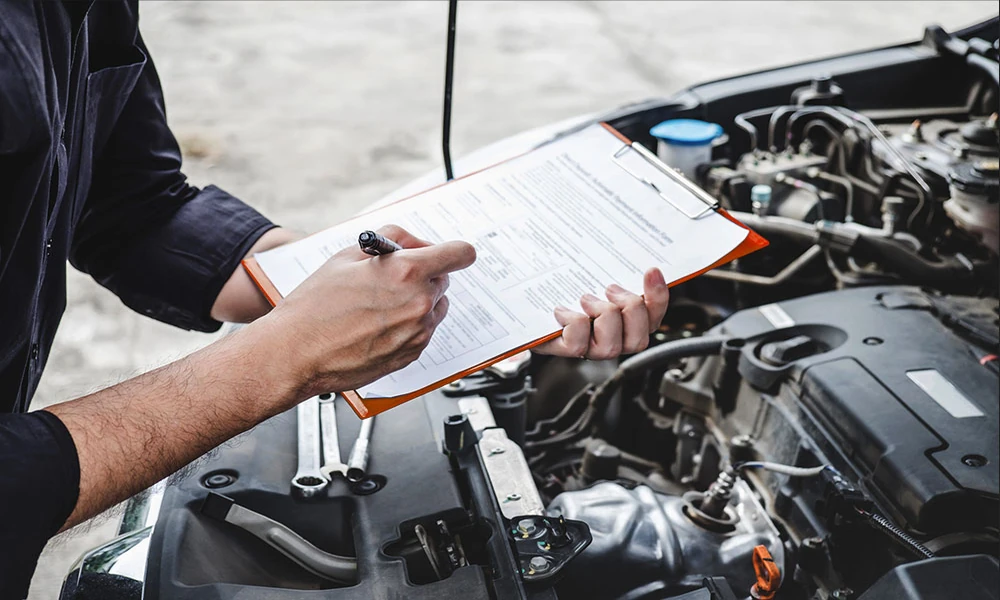
A useful fleet wheel report records what the driver noticed and routes it to the person responsible for an appropriate response. It should not require the driver to diagnose a bend, decide repairability or choose a finish service. Make the vehicle, event and observation clear, then keep the assessment and outcome connected to that report. The process works best when reporting a concern is straightforward.
Let the observation arrive without a diagnosis
A driver may notice a visible mark while parked, report an impact or describe a change in the way a vehicle feels. Each is a legitimate starting point for a report. If the reporting form demands a repair category, the driver may choose a familiar label that does not accurately describe the concern. Begin with an observation field before asking anyone to name the work.
Language such as “new mark on the outer edge” or “vibration noticed after the event” can be useful without implying a confirmed cause. Encourage staff to distinguish what they directly observed from what they suspect. The person arranging assessment can pass that information along, allowing the relevant professional to determine what it means for the vehicle.
Immediate handling of a suspected safety concern should follow the organisation’s procedures and appropriate professional guidance. Reporting is not a reason to keep driving until more evidence is available. Drivers should know whom to contact when the vehicle may need assistance or assessment before further use. A routine cosmetic-work queue is not an appropriate substitute for that response.
Keep the initial exchange focused on obtaining accurate information. A conversation that immediately becomes an argument about blame can distract from the condition that needs attention. Accountability processes may still exist within the business, but the maintenance report should preserve a factual account that an assessor can use.
Capture the vehicle and event, not a theory
The vehicle identifier is essential in a fleet where several similar cars or vans may be in use. A model name alone is insufficient if the report could attach to the wrong asset. Use the organisation’s established identifier and make the affected wheel position clear when known. If the driver cannot identify it confidently, record that uncertainty instead of selecting a position at random.
The date and circumstances help establish sequence. Was the concern noticed during a normal walk-around, after a known event or following recent service? The driver should not need to provide an elaborate narrative. A concise account of the relevant facts is easier to review and less likely to bury the observation beneath speculation.
Photographs can support the report when they can be taken safely and appropriately. They should show enough context to identify the vehicle or wheel and enough detail to communicate the visible concern. Staff should not move into unsafe locations, crawl under vehicles or interfere with components to obtain an image. A photograph is helpful evidence, not a requirement that overrides safe handling.
Attach relevant existing information where the business holds it. Recent wheel work or an earlier report may be important context. The driver should not be expected to know the complete service history, especially for a pool vehicle. The coordinator can connect the new observation to the fleet record before sending the vehicle for assessment.
Route the report to the right decision-maker
A report has limited value if it reaches a shared inbox without an owner. Assign responsibility for reviewing the concern, arranging the appropriate assessment and communicating the vehicle’s status. That person should distinguish a condition matter from an elective appearance request and use the business’s established process for each.
When external help is needed, provide the observation and relevant history rather than only a guessed instruction. “Assess the wheel following this reported event” leaves room for a professional recommendation. “Refinish this wheel” may be too narrow if the concern has not yet been assessed. The wording of the request should reflect what is known at that stage.
Onyx Rims’ Toronto fleet support describes inspection-led recommendations for suitable wheel damage and worn finishes. Its information separates structural assessment from cosmetic work. A fleet coordinator can use that service scope when arranging a discussion, while confirming suitability for the actual vehicle and avoiding assumptions about universal repairability or turnaround.
Make approval authority clear to the provider. If the recommendation changes after inspection, it should know who can authorize the revised scope. The driver delivering the vehicle may not be that person. A defined decision route avoids asking someone without authority to approve work simply because they are the person standing at the counter.
Show the driver how the report was resolved
Once assessment or work is complete, return an understandable status to the people using and scheduling the vehicle. They should know whether the concern was addressed, whether further attention is required and which instructions apply. An internal note that says only “done” may not answer the driver’s original observation or tell dispatch what it needs to know.
Retain the report and outcome together. If a related observation appears later, the business can see what was previously noticed and what work followed. This is particularly useful where vehicles rotate among staff. The record provides continuity that no single driver’s memory can reliably supply.
Use repeated reporting difficulties to improve the process. If staff regularly choose the wrong vehicle identifier or confuse wheel positions, make the form clearer. If reports arrive without essential context, explain what information helps and why. The aim is a usable system that gets better with ordinary experience, not a form so demanding that people avoid it.
A driver’s observation is the beginning of the maintenance conversation. The business adds history and coordination; the appropriate assessor provides the condition judgment; the outcome returns to the people who use the vehicle. When those responsibilities are clear, a small report can lead to a much better-informed decision.

Comments are closed.