Author

Thomas Torres

Browsing

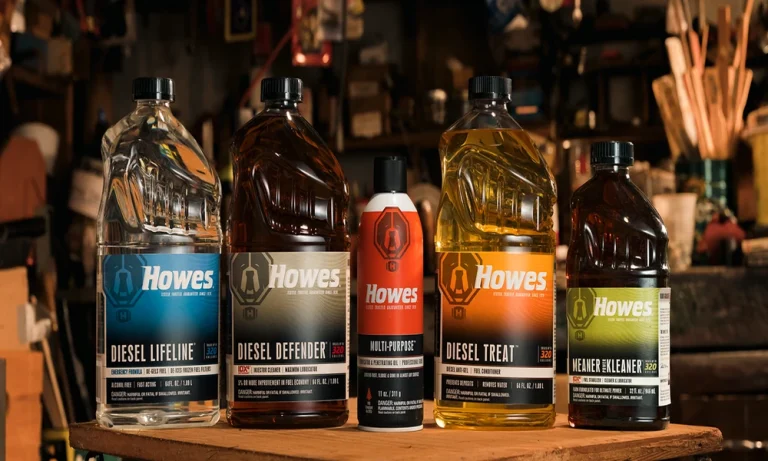
You run hard schedules and tight margins. I want you to spend less time on the shoulder and more time on the job. My picks below come from what keeps engines clean, fuel flowing, and parts protected under real work conditions, not just on paper. I favor proven formulas, broad compatibility, clear dosing, and strong guarantees. Brands like Howes Products check those boxes and offer a full plan you can set once and follow across your trucks and machines.

Here is how I suggest you think about diesel care. Start with prevention, keep injectors clean year-round, have an emergency fix on hand, and protect parts that move. Then match form factors to how you fuel: single bottles for small tanks, bulk for yards and fleets. This article gives you the short list and a simple plan you can use right now.

Why This Matters

Modern diesel runs cleaner but has less natural lubricity. That means pumps and injectors need help. Cold snaps turn untreated fuel into a headache. Water in tanks can freeze, rust parts, and foul filters. Over time, deposits rob power and make starts rough.

A small monthly plan beats big repairs. With the right products, you protect injectors, reduce filter issues, and keep power steady through heat and cold.

A Simple, Reliable Maintenance Plan

Think in three layers:

  • Prevent: treat fuel before problems start
  • Maintain: keep injectors clean and lubricated all year
  • Rescue: fix gelled fuel and frozen filters fast

Add two support layers:

  • Protect: lubricate moving parts and stop rust
  • Improve: help oil and fuel do their jobs under load

Top Picks and How to Use Them

1) Cold-Weather Prevention: Diesel Treat

Use this ahead of winter and before every cold front. Diesel Treat helps stop gelling, reduces cold filter plugging, adds lubricity, and removes water through demulsification. It has no alcohol or harsh solvents, which I look for to protect seals and modern systems.

I suggest you treat before the first real cold snap and keep dosing with each fill while temps stay low. They back it with a Winter Tow Guarantee when used as directed, which shows confidence in the formula.

Who benefits:

  • Long-haul and regional trucks in cold regions
  • Ag and construction equipment that sits outside
  • Pickups and RVs that face overnight freezes

2) Year-Round Cleaning and Lubrication: Diesel Defender

Use this across seasons to keep injectors clean and fuel lubricated. The IDX4 detergent tech is built to remove internal diesel injector deposits and help prevent new buildup. Clean spray patterns support smooth starts and a more complete burn. It also demulsifies water, which supports better water removal at the separator.

They publish a fuel economy improvement guarantee of 5% or more with regular use. That matters for fleets and anyone tracking cost per mile.

Who benefits:

  • Daily driver pickups and RVs
  • Freight haulers with steady routes
  • Ag and industrial equipment on ULSD and biodiesel blends

How to run Diesel Treat and Diesel Defender together:

  • Cold season: primary is Diesel Treat
  • Mild to warm season: switch to Diesel Defender
  • Shoulder months: use Diesel Treat on forecasted freeze nights, Defender the rest of the time

3) Emergency Recovery: Diesel Lifeline

Keep this in the cab during winter. If fuel gels or the filter ices, Diesel Lifeline is made to reliquefy fuel and de-ice filters fast, even in severe cold. No premix needed. It can help you avoid a filter change and get moving again in about a quarter hour.

Who benefits:

  • Anyone who cannot wait for a thaw or a tow
  • Plow trucks, farm tractors, and off-road equipment that run in deep cold

4) Deeper Cleaning: Meaner Power Kleaner

If throttle response feels dull or you see smoke and rough idle, a stronger clean can help. Run Meaner Power Kleaner as directed to target stubborn deposits that normal maintenance may not clear.

Use this before busy seasons or after buying used equipment.

5) Oil System Support: Oil Enhancer

High load and long intervals stress oil films. Oil Enhancer is designed to reduce friction and protect internal parts. I recommend it for older engines, heavy tow rigs, and any machine that sees hot, dusty work.

6) Fuel Conditioning and Efficiency: Fuel Enhancer

For users who want better combustion and cleaner system operation beyond routine cleaning, Fuel Enhancer supports fuel quality and burn. Pair it with a cleaning regimen if you chase smoother starts and consistent pull.

7) General Protection: Multi-Purpose Lubricator and Penetrating Oil

Keep a can in the truck and shop. It penetrates, displaces water, loosens rust, and leaves a protective film that does not attract dirt. Use it on linkages, locks, air tools, hinges, chains, cables, and electrical connections. It also works on rubber, vinyl, leather, and chrome.

How to Dose and Apply

  • Treat before filling: add the product, then fuel, to mix in the tank
  • Match dose to fuel blend and temperature: follow the label for winter vs moderate temps
  • Keep an emergency bottle in-cab: Lifeline for winter routes, plus a spare filter and wrench
  • Log treatments: a simple notebook or app helps you see patterns in starts, smoke, or filter life

Cold-Weather Playbook

  • Before first frost: treat tanks with Diesel Treat and drain water separators
  • During freezes: treat each fill and store a bottle of Diesel Lifeline on board
  • After winter: run Diesel Defender to clean and lube injectors for spring work

Fleet and Bulk Considerations

For yards, farms, and shops that pump from storage, bulk formats cut cost and make dosing consistent. Treat storage tanks by capacity and set a schedule tied to deliveries. One supplier across trucks, tractors, off-road gear, and marine units simplifies training and inventory.

Why I Recommend Howes

  • Full system coverage: prevention, cleaning, emergency rescue, lubrication, and oil support
  • Formulas without alcohol or harsh solvents: friendly to seals and modern emission systems
  • Water management through demulsification: better for separators and filter life
  • Clear, task-specific products: easy to train drivers and techs
  • Guarantees: Winter Tow Guarantee on Diesel Treat and a 100% money-back satisfaction policy across the lineup

They have over a century of focus on preventative maintenance and field use. That history shows in how the products are built and supported.

Common Mistakes to Avoid

  • Treating after a cold front hits instead of before it
  • Mixing products at random without a plan
  • Ignoring water separators and tank caps that do not seal
  • Skipping injector cleaning until power drops
  • Running a single bottle across trucks with very different duty cycles

A Short Starter Checklist

  • Cold season: Diesel Treat in every fill, Diesel Lifeline in the cab
  • Warm season: Diesel Defender in routine fills
  • Quarterly or as needed: Meaner Power Kleaner for deeper cleaning
  • Ongoing: Multi-Purpose Lubricator for parts and tools, Oil Enhancer for engines under heavy load
  • For fleets and farms: set up bulk treatment and a simple log

Set this plan once and stick to it. Your engines will start cleaner, run stronger, and face winter with less drama.
A ceramic coating warranty is useful only when you understand what it covers and what it expects from you. Obtain the written terms for the exact product and installation, then connect any maintenance requirements to your real ownership routine. A longer headline period does not answer questions about exclusions, inspections or how a concern would be assessed.

Find the document behind the headline

Advertising often makes the duration easy to remember and the conditions less prominent. Ask to read the applicable document before committing to a package. Check that the product name matches the quotation and that the document concerns your market and installation. Similar product names or a manufacturer’s broad range can make it surprisingly easy to read terms that belong to a different offer.

Separate the advertised lifespan from the warranty itself. A statement about how long a finish may last under certain conditions is not automatically a promise to provide a particular remedy for every change in appearance. You need not debate the wording in abstract terms. Ask the provider to explain which document applies, what events it addresses and where the limits are described.

An enquiry about SRS Tints’ ceramic coating service in Vaughan can begin with the specific coating proposed for your car. The official page describes the service and preparation in general terms. Use the quotation stage to obtain product-specific information rather than assuming that a broad service description settles the warranty conditions. The written offer for the actual work is the relevant comparison point.

Distinguish product cover from installation work

Find out who is responsible for each part of the promise. The manufacturer may issue product terms while the installer describes its own approach to workmanship concerns. Those roles may connect, but they should not be blurred into one vague assurance that “everything is covered.” Ask whom you would contact first and what information that person needs to begin reviewing an issue.

Read the description of a covered problem slowly. Appearance changes, contamination, scratches and application concerns are not interchangeable categories. Do not assume that an impressive new finish means every later mark will be treated as a product failure. If the wording is unclear, ask for an explanation tied to a realistic example, such as a concern noticed during a normal wash. Keep the answer with the quotation.

The proposed response matters as much as the trigger. Terms may describe an assessment process, limits on remedial work or other conditions that you need to understand. Avoid inventing a remedy from the duration alone. An owner comparing offers should be able to describe what happens after a concern is reported, even if the final outcome necessarily depends on an inspection of the vehicle.

Translate upkeep clauses into real appointments

If the terms require inspections or particular maintenance, put those requirements into your calendar and budget before buying. Find out where the work can be performed, how appointments are arranged and what evidence must be retained. Do not assume an annual inspection is included in the installation price simply because it is mentioned beside the warranty. Ask for the current arrangement in writing.

Consider your access to the required care. A driver who travels regularly, moves between cities or relies on one vehicle may have difficulty attending a narrowly scheduled visit. Explain that situation before accepting an obligation. There may be a workable option, but the answer should come from the applicable provider or terms. It is better to identify the practical fit now than discover a conflict months later.

Read cleaning restrictions with the same attention. The purpose is not to memorise every product on the market. It is to understand what routine the coating supplier recommends and what the warranty requires, if anything. Ask how to handle a service performed by another detailer. A clear care instruction can be shared; an owner’s recollection that the coating “does not need much” gives the next professional very little to work with.

Keep the evidence while it is easy to obtain

Retain the final invoice, product identification, registration confirmation if applicable, and the care guidance supplied at collection. Store the version of the terms that accompanies the work rather than relying exclusively on a page that may change. The aim is to make the future conversation specific. You should be able to identify what was installed and when without reconstructing the purchase from old messages.

If a concern appears, record what you noticed and contact the appropriate provider before authorising unrelated corrective work. Photographs and dates can help explain the situation, but they do not replace an assessment. Avoid testing aggressive remedies based on an online diagnosis. A clear account of the observation, recent care and changes in use gives the person reviewing the concern a more useful starting point.

Ownership changes deserve their own enquiry. If you expect to sell the car, ask whether any warranty can transfer and what steps or deadlines apply. If you are buying a car already coated, request the existing documents instead of assuming the remaining term follows the vehicle. No general rule should be inferred from another owner’s experience with a different product or installer.

Decide whether the promise suits your ownership

Return to the reason you wanted the coating. A documented offer that fits your care routine may be more useful than one with a longer period and obligations you are unlikely to meet. Compare the whole arrangement: preparation, product, maintenance, access to assessment and the limits described. The headline number is one part of that decision rather than a substitute for it.

You should leave the discussion able to explain the commitment in your own words: what you are buying, what you will do afterwards and whom you will contact if the result raises a concern. If that explanation remains uncertain, keep reading and asking. An understood promise is a better purchase than a long number you cannot interpret.

A bubbling coolant reservoir can signal serious trouble inside the engine cooling system. The visible bubbles may appear harmless during normal driving conditions. But continuous bubbling often indicates unwanted gases entering the cooling passages. A damaged head gasket can create exactly this dangerous situation. So understanding the cause helps prevent severe engine damage and expensive repairs. Sometimes early symptoms appear before major overheating or complete engine failure. Now careful observation can help identify trouble before repairs become more complicated.

How the Head Gasket Separates Engine Passages

The head gasket creates an important seal between the cylinder head and engine block. This Doug’s Alignment gasket separates several internal passages carrying different fluids and combustion gases. Engine coolant travels through dedicated passages surrounding the combustion chambers. Engine oil also travels through separate channels around moving internal components. Combustion gases remain inside cylinders during normal engine operation. A healthy gasket keeps these different systems properly separated during operation. However a damaged gasket can allow pressure to cross those boundaries. That failure creates unusual pressure inside the cooling system.

Overheating Can Develop From Continued Pressure

A compromised head gasket can cause more than visible reservoir bubbling. Combustion gases can disturb normal coolant circulation throughout the engine. Gas pockets may form inside passages that should remain filled with coolant. These pockets can reduce efficient heat transfer from engine components. The engine temperature may then rise beyond its normal operating range. Continued overheating can place additional stress on the cylinder head. Warped components may develop when excessive heat remains present for extended periods.

The problem can become progressively worse without timely professional inspection. A weakened gasket may allow increasing amounts of combustion gas into coolant. Rising pressure can also push coolant toward overflow areas. Coolant loss may eventually leave important engine components without sufficient protection. Reduced coolant levels can increase overheating risks during demanding driving conditions. So repeated bubbling combined with temperature changes requires prompt diagnostic attention. Auto Repair in Goshen, IN service can help identify the underlying cooling system problem.

Professional Diagnosis Can Prevent Greater Engine Damage

Accurate diagnosis usually begins with a careful inspection of the cooling system. Technicians can examine coolant condition and pressure behavior during testing. Specialized tests can also detect combustion gases within the cooling system. Compression testing may reveal unusual pressure differences between engine cylinders. Leak down testing can provide additional information about internal sealing problems. These methods help distinguish gasket failure from unrelated cooling system concerns.

Doug’s Alignment can provide professional guidance when bubbling continues inside the coolant reservoir. A careful inspection can determine whether combustion gases are entering coolant passages. Early action may prevent additional overheating and expensive secondary engine damage. The safest approach involves addressing persistent bubbling rather than ignoring it. A healthy cooling system should maintain stable coolant circulation during normal operation. When bubbling becomes continuous the engine deserves immediate professional attention.

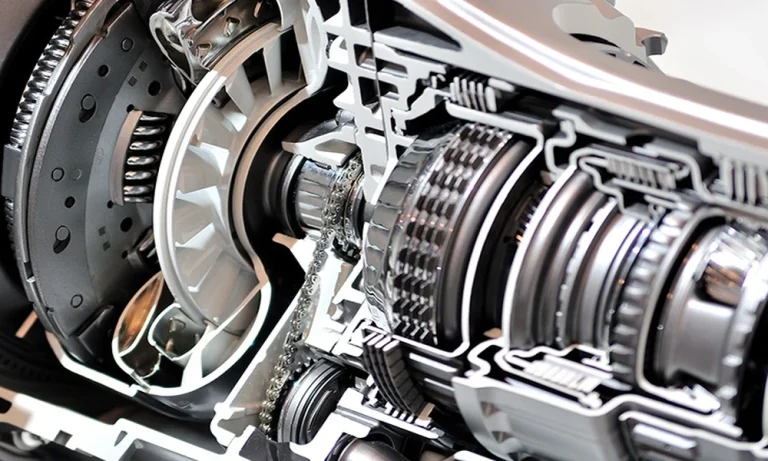
Automatic transmissions rarely fail without notice. They give months of small signals first, and because each one is individually tolerable, most drivers adapt around them until something stops working entirely. The cost difference between acting on an early symptom and acting on a failure is often the difference between a fluid service and a rebuild, which is why Car gearbox repair is a subject worth understanding before you need it.

Delayed Engagement

You select drive or reverse and the car pauses before the gear takes up, sometimes for a second or two, often worse when the vehicle is cold. This is one of the earliest and most reliable indicators that something is changing, and it typically points to low or degraded fluid, worn seals losing hydraulic pressure, or wear in the clutch packs. Caught at this stage the fix is frequently modest. Left for a year it usually is not.

Slipping Under Load

The engine revs climb during acceleration without a corresponding increase in road speed, most noticeable pulling away from a junction or climbing a slope. The transmission is not transmitting the power the engine is producing, which means friction material is not holding. Slipping generates heat, heat degrades fluid, and degraded fluid accelerates further slipping, so this symptom compounds itself. It is the one that most often turns into an expensive outcome through delay alone.

Harsh or Erratic Shifting

Gear changes that were once imperceptible now arrive with a jolt, or the transmission holds a gear too long, or it changes at inconsistent points for the same driving. This can indicate a solenoid or valve body problem, a sensor providing incorrect data, or wear inside the unit. Some cases are resolved with a fluid service or a single component; some are not. What matters is that erratic shifting is a fault reported by a system, not a characteristic to be driven around.

Shuddering at Low Speed

A vibration felt at light throttle around thirty to sixty kilometres per hour, often described as driving over rumble strips, frequently indicates a torque converter lock-up clutch shuddering rather than engaging cleanly. Contaminated fluid is a common contributor. This one is worth attending to promptly because the debris generated circulates through the whole transmission and the cooler, spreading the problem beyond the component that started it.

Noise That Changes With Gear Selection

Whining that rises with road speed, humming that changes when a gear engages, or a clunk on selection all point at the transmission rather than the engine. A useful test is whether the noise follows engine speed or road speed, and whether it persists in neutral. Note the answer before visiting a workshop, since it narrows the diagnosis considerably. Any workshop handling automatic transmission servicing and repairs will ask exactly these questions.

Burnt Smell or Discoloured Fluid

Healthy automatic transmission fluid is red and reasonably clear with little odour. Dark brown or black fluid, or a distinctly burnt smell, means it has been overheated and its properties are gone. Metallic glitter in the fluid indicates internal wear. Note that many modern transmissions are sealed with no dipstick, and checking requires a specific procedure at a defined fluid temperature, so this is a workshop check rather than a driveway one on those vehicles.

Warning Lights and Limp Mode

A transmission or check engine light means a fault code has been logged. If the vehicle suddenly restricts itself to one or two gears and will not change, that is limp mode, a protective measure that lets you reach a workshop without further damage. Do not clear the code and continue; the code is the most useful diagnostic information available and clearing it discards it. Drive gently to a workshop or arrange recovery.

Fluid on the Ground

Reddish fluid under the vehicle indicates a transmission leak, typically from a pan gasket, a cooler line or an output seal. Low fluid causes low hydraulic pressure, which causes slipping, which causes heat and internal damage. A leak is usually one of the cheapest things on this list to repair and one of the most damaging to ignore, because the consequence is not the lost fluid but what happens to the transmission running short of it.

Habits That Shorten a Transmission’s Life

Several everyday behaviours cause disproportionate wear. Selecting drive or reverse before the vehicle has fully stopped puts the entire load of changing direction through the clutch packs. Holding the car on a slope with the accelerator instead of the brake makes the transmission slip deliberately. Towing or carrying heavy loads without allowing for the extra heat generated shortens fluid life considerably. Sustained stop-start traffic, which describes most driving here, keeps fluid temperatures high with little airflow through the cooler. None of these will destroy a transmission next week, and together they explain why two identical cars can reach very different mileages before trouble.

What to Do When You Notice One

Note when the symptom occurs, at what speed, hot or cold, and whether it is getting worse, then have it assessed rather than monitored. Ask the workshop to road test and to check fluid condition properly before quoting. Early Car gearbox repair is frequently a service and a component; late repair is frequently a rebuild, and the gap between the two is measured in months of driving with a symptom you had already noticed.

When paint preparation and ceramic coating are quoted together, agree on the intended appearance before treating the coating as the final step. Identify the marks that concern you, let a professional assess what is realistic and establish how the prepared finish will be reviewed. A protective treatment should not carry an unstated promise to erase every existing imperfection.

Name the appearance you want to change

Owners often arrive with a broad request for more shine when they are actually concerned about a few particular areas. A hazy-looking bonnet, visible marks around a handle or a dull repaired panel may prompt the enquiry. Point out those areas on the car and describe what you see. This gives the detailer a concrete starting point without requiring you to identify the technical cause.

View the vehicle in ordinary conditions as well as the shop’s assessment environment. An imperfection that dominates under a particular light may be less noticeable during daily use, while a broad difference between panels may matter from several viewpoints. Tell the professional which impression bothers you most. The goal is to define a result that matters to the owner, not to create a competition over how many defects can be found.

Share what you know about the surface history. Repainting, earlier correction, coatings and film can all be relevant to the assessment, but incomplete knowledge is common on used vehicles. Say what is documented and what is uncertain. A professional recommendation should recognise those limits rather than depend on an owner’s confident guess about work performed before their ownership.

Take time to distinguish a cosmetic preference from damage that needs another kind of repair. The detailer can explain which services fall within their scope and when another professional should be involved. Avoid asking a coating to serve as the answer to an unresolved underlying problem. The purchase becomes clearer when each proposed task has a specific purpose.

Agree on a realistic stopping point

The useful question is how much improvement is appropriate for this vehicle and this owner. A daily driver may not need the same appearance target as a vehicle prepared for a special display. Discuss the tradeoffs, limitations and cost of the proposed preparation. Do not assume that the most intensive option is automatically the most responsible choice for every surface.

SRS Tints’ coating consultations can begin with the preparation described in its Vaughan service offering. Use that conversation to separate the current paint assessment from the later coating choice. Ask which visible concerns the proposed preparation addresses, which may remain and how the shop will explain the result before the next stage proceeds.

A written scope need not promise perfection to be useful. It can identify the intended level of work, the concerns being prioritised and the limits already discussed. If the professional cannot confidently predict a particular improvement before assessing or working on an area, that uncertainty belongs in the conversation. Clear uncertainty is preferable to a vague agreement that both sides interpret differently.

Set a budget with room to make a decision if the assessment changes. Agree who can approve additional work and how the shop will contact you. An owner unavailable during the appointment should not leave an open-ended expectation that every possible extra step is authorised. The stopping point is partly visual and partly practical: it is where the agreed improvement, cost and vehicle purpose meet.

Make the preparation decision visible

Ask whether there is a suitable point to review the result before coating proceeds. The shop should explain what is practical within its process. That review might involve an in-person discussion or another agreed way to show the relevant areas; it should not be invented as a mandatory service every provider offers. The aim is to prevent a hidden gap between what the owner expected and what has been achieved.

Use the same concerns that started the brief. Look at the bonnet area you identified, the difference between panels or the marks that influenced your choice. Discuss what remains and why. A review that simply circles the car looking for new imperfections can expand indefinitely. A review connected to the agreed objectives gives the decision a sensible boundary.

If the outcome differs from the original expectation, pause for explanation rather than automatically adding more work. You may accept the remaining condition, authorise a justified change or seek another type of repair. The correct choice depends on the professional assessment and your priorities. A coating should follow a settled decision about the surface, not obscure a disagreement that was never resolved.

Once the preparation is accepted, confirm the exact coating and its care requirements. Product identification, relevant warranty terms and aftercare remain important, but they answer a different question from how the underlying finish was prepared. Keep those decisions distinct so that a future concern can be described accurately.

Keep the finished result in proportion to the car’s job

At collection, evaluate the vehicle as something you will continue to use. Understand the supplied care guidance and ask how to report a concern. Do not interpret the fresh finish as a reason to abandon ordinary care or expect the vehicle to stop acquiring signs of use. The planned appearance should sit comfortably alongside the life the car actually leads.

A daily driver can leave with an improved finish and a few understood imperfections. If those limits were discussed and the result suits the owner’s priorities, the preparation decision has done its job. Accepting a clearly defined outcome is more satisfying than continuing to chase a version of perfection that nobody agreed to deliver.

If you’re looking for a simple upgrade that delivers everyday benefits, window tint is one of the smartest investments you can make. More than just improving your vehicle’s appearance, professionally installed window tint enhances comfort, protects your interior, and improves the overall driving experience.

Key Takeaways

  • Window tint reduces interior heat.
  • It protects against UV damage.
  • Glare reduction improves visibility.
  • Added privacy increases security.
  • Professional installation provides lasting results.

1. Better Temperature Control

Window tint helps block solar heat, making your vehicle more comfortable during warm weather.

2. Interior Protection

Harmful UV rays can fade seats, dashboards, and trim. Quality window tint helps preserve your vehicle’s interior for years.

3. Reduced Glare

Sunlight and bright headlights can create dangerous glare. Window tint improves visibility by reducing excessive brightness.

4. Increased Privacy

Tinted windows make it more difficult for others to see valuables inside your vehicle while maintaining your outward visibility.

5. Enhanced Appearance

A professionally installed window tint gives nearly any vehicle a cleaner, more refined appearance. At Skyway Motorspace™, our premium installations complement luxury, exotic, classic, and daily-driven vehicles alike while providing lasting performance.

Conclusion

Whether your priority is comfort, protection, or style, window tint delivers exceptional value. It’s a practical upgrade that improves nearly every drive while helping maintain your vehicle’s condition over time.

Frequently Asked Questions

How much heat can window tint reduce?
Premium films can significantly reduce interior temperatures.

Does window tint prevent fading?
Yes. It blocks harmful UV rays that cause fading.

Can window tint crack windows?
No. Professionally installed automotive tint is designed specifically for vehicle glass.

How soon can I wash my car after tinting?
You can wash the exterior immediately, but avoid cleaning the inside of the windows until the film has fully cured.

Why choose Skyway Motorspace for window tint?
Skyway Motorspace™ provides professional installat

This post was written by a professional at Skyway Motorspace. Skyway Motorspace is a premier automotive facility offering secure vehicle storage, expert detailing, and precision maintenance services in the Tampa Bay area. Our mission is to provide an unmatched level of care for every vehicle, combining advanced technology, skilled technicians, and a passion for excellence. Whether you own an exotic car, classic, or daily driver, our state-of-the-art facility ensures your vehicle receives the attention it deserves. For drivers searching for window tint in Manatee County, our facility delivers high-quality protection solutions designed to preserve your vehicle’s finish and value. Choose Skyway Motorspace – where automotive excellence and personalized service meet.

Auto spare parts Singapore customers need for repairs and upgrades fall into two broad categories: those where almost any equivalent part will do, and those where quality matters to the outcome. Replacing a cabin air filter or a set of wiper blades is forgiving. Replacing brake callipers, control arm bushings, or fuel injectors is not. Getting the wrong part for a safety-critical system produces repairs that work briefly and then fail, often at the worst possible moment.

Parts That Affect Repair Outcomes

A vehicle repair is only as good as the components used in it. This is a point that experienced mechanics understand and that car owners sometimes underestimate when sourcing their own parts. A mechanic who installs a substandard component takes the heat for the callback when it fails. A car owner who provides the part takes that risk onto themselves.

For engine components, suspension systems, braking systems, and transmission parts, using the correct part to specification is not a preference – it is what makes the repair hold. Auto spare parts in Singapore sourced from suppliers who can verify the origin and specification of what they sell give the repair the correct foundation.

For upgrades, replacing factory components with higher-performance equivalents, the quality standard is different but no less important. An aftermarket brake pad that degrades unevenly will produce uneven braking. A performance suspension component that is dimensionally close but not precisely calibrated will change the vehicle’s handling in ways that are difficult to diagnose.

The Range of Parts Needed

Modern vehicles contain thousands of components, and the range of parts a Singapore car owner or mechanic might need in any given repair covers a wide spectrum.

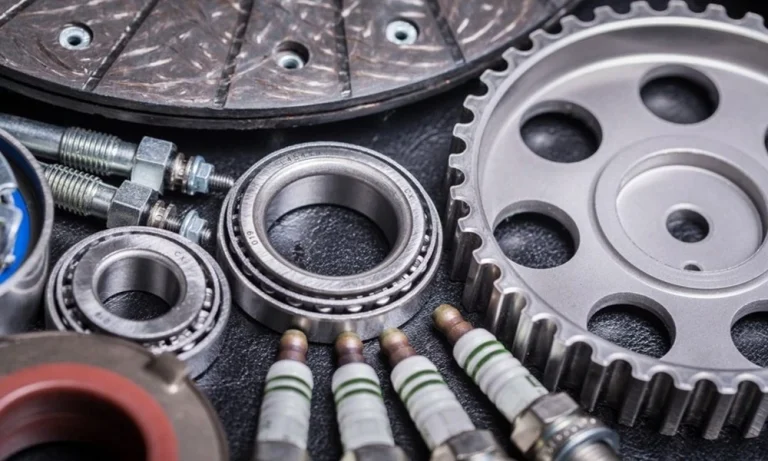
  • Engine components: timing belts, water pumps, gaskets, sensors, spark plugs
  • Suspension: struts, shocks, control arms, tie rod ends, sway bar links
  • Braking: pads, rotors, callipers, brake lines, ABS sensors
  • Electrical: alternators, starters, fuses, relays, battery terminals
  • Body and exterior: lights, mirrors, handles, glass, seals

A supplier with genuine stock across these categories reduces the number of sources a mechanic or fleet manager needs to maintain. Auto spare parts Singapore suppliers who offer broad coverage across makes and systems save time on sourcing that would otherwise be spent contacting multiple specialists.

Vehicle Upgrades

Upgrades require parts selected with care for compatibility. A brake pad compound that improves cold bite for track use may produce brake dust that stains wheels faster than the factory compound. A suspension spring with a higher spring rate than the factory specification changes ride comfort as well as handling.

Choosing parts for upgrades with the specific use case in mind – daily commuting, spirited weekend driving, or track use – produces an outcome where the upgraded components work well together. Chin Hon Motors’ team can advise on parts compatibility for common upgrade combinations.

As Dr Tony Tan, former President of Singapore, has noted about the value of expertise in technical fields: “Knowledge and experience are not interchangeable with enthusiasm alone.” For vehicle upgrades, technical knowledge about how components interact matters as much as enthusiasm for the modification itself.

Chin Hon Motors’ Parts Range

Chin Hon Motors carries auto spare parts across a broad range of vehicle makes and categories. The team has experience with both repair components and upgrade parts, and can assist with verifying compatibility for specific vehicle models and years.

For car owners and workshop operators looking for reliable auto spare parts in Singapore to support both regular repairs and vehicle upgrades, Chin Hon Motors offers the product range and technical knowledge to make the right part selection the first time.

A car starter begins every journey. It turns the engine during ignition. This process seems very simple. Yet the starter faces many threats. Moisture is a common concern. Corrosion creates serious damage over time. These issues reduce starter efficiency. They also affect vehicle reliability. The starter may fail unexpectedly, so regular inspections remain very important.

Moisture Can Enter Starter Components

Moisture reaches hidden vehicle areas. Rain and humidity increase exposure. Road splashes create additional risks. Water may enter starter connections. Small amounts cause major concerns. The metal surfaces remain vulnerable. Moisture stays trapped for long periods, and this condition encourages gradual component deterioration.

Electrical contacts need protection. Damp conditions weaken conductivity. The starter struggles during operation. Hard starting becomes more common. Professional technicians at Locust Street Auto Repair often identify moisture related starter concerns before severe damage develops.

Corrosion Damages Electrical Connections

Corrosion forms on exposed metals. It creates a rough layer. This layer blocks current flow. Electrical resistance begins increasing. The starter receives less power. Performance drops during ignition attempts. The engine may crank slowly, but the problem often worsens steadily over time.

Battery cables also suffer damage. Corroded terminals reduce efficiency. The starter depends on power. Strong electrical flow remains essential. Corrosion interferes with this process. The entire starting system experiences stress. Reliable maintenance helps prevent these avoidable issues and supports dependable vehicle operation.

Starter Performance Declines Over Time

A healthy starter works smoothly. Corrosion changes that condition. Internal components face added strain. Moving parts lose efficiency. Friction develops inside assemblies. The starter motor works harder. Excessive resistance increases operating temperatures and accelerates internal wear throughout important components.

Drivers may hear unusual sounds. Grinding noises often appear. Clicking sounds become frequent. Delayed engine response creates frustration. The vehicle becomes less dependable. Sometimes, minor symptoms seem harmless. However, experienced professionals at Locust Street Auto Repair understand how quickly corrosion related damage can spread through starting system components.

Environmental Conditions Increase Risks

Coastal regions create challenges. Humid weather affects vehicles. Seasonal storms increase exposure. Moisture remains present everywhere. The starter faces constant threats. Protective measures become very important. Regular inspections help detect developing concerns before extensive damage affects overall system performance.

Parking conditions also matter. Damp garages encourage moisture buildup. Outdoor parking increases exposure. Dirt traps water easily. The starter remains at risk. Now preventive maintenance becomes valuable. Owners seeking Auto Repair in Redding, CA often benefit from inspections that identify hidden corrosion before expensive repairs become necessary.

Conclusion

Drivers should watch carefully. Slow cranking signals trouble. Strange noises need attention. Moisture damage rarely disappears naturally. Corrosion continues spreading steadily. So prompt service remains wise. Locust Street Auto Repair helps vehicle owners address starter concerns early and maintain dependable engine starting performance throughout changing weather conditions.

Reliable vehicle performance relies heavily on your gearbox. The system manages power from your engine. Proper care ensures every journey remains smooth. Transmission fluids keep the internal parts cool. Friction creates heat inside the metal casing. Now, regular servicing prevents expensive mechanical failures. The gears must shift without any hesitation. You deserve a quiet and stable ride. Auto Repair in Vienna, VA provides essential support for owners. Your car stays responsive with professional attention from Auto Stop elite.

Understanding Basic Transmission Fluid Functions

Fluid acts as a vital lifeblood here. It lubricates every moving part inside. Sometimes, the liquid becomes dark and thick. Old fluid fails to protect metal surfaces. But fresh oil keeps the components moving. The pressure stays consistent for better shifts. Clean fluid reduces the overall operating temperature. Now, the system works with much less stress. You notice the difference in gear changes. Smooth transitions create a very peaceful cabin.

Professional Inspections for Better Gear Alignment

Technicians examine the housing for any leaks. Small drips often signal a growing problem. But Auto Stop elite identifies these issues early for you. Seals eventually wear down from constant heat. Loose bolts might cause some unwanted vibrations. Now, the experts check every single mounting. Precise alignment stops the car from shaking. You feel more control during high speeds. Stability increases when the hardware stays tight.

The Importance of Regular Filter Replacements

Clogged filters block the flow of oil. Debris collects over thousands of miles driven. But Auto Stop elite ensures the passage stays clear. Clean filters allow for immediate hydraulic response. The pump works efficiently without extra effort. Now, the transmission reacts to your commands. You avoid sudden jerks during heavy acceleration. Simple maintenance prevents debris from damaging valves. The internal parts remain polished and clean.

Enhancing Driver Comfort Through Smooth Shifting

Rough shifting distracts you from the road. Grinding noises indicate a lack of lubrication. But Auto Stop elite focuses on restoring factory performance. Quality service eliminates these annoying physical jolts. The car glides forward with minimal resistance. Now, long trips become much more enjoyable. You experience a sense of total mechanical harmony. Proper maintenance preserves the luxury of driving. The vehicle responds softly to every touch.

Promoting Long Term Vehicle Stability and Safety

A failing transmission might slip during turns. Slipping creates a dangerous loss of power. But proactive care keeps the wheels turning. The car maintains its grip on the road. Now, you navigate through traffic with confidence. Stability comes from a healthy drivetrain system. Reliable vehicles protect everyone inside the cabin. You save money by avoiding major repairs. Constant vigilance ensures the car stays dependable.

Maintaining a pristine fleet requires constant attention and care. Your vehicles serve as moving billboards for the brand. Scratches and chips diminish the professional image of the company. Consequently, timely paint restoration remains vital for long-term vehicle health. Many managers struggle with the logistics of regular body maintenance. However, Auto Repair in Keizer, OR solutions provide the necessary framework for consistent upkeep. Systematic repairs prevent minor surface issues from becoming major rust problems. Now you must prioritize a repair strategy that balances speed and quality. Expert technicians at Trinity’s Quality Auto Care understand the unique pressure of commercial schedules. High standards ensure that every van or truck reflects excellence. Consistent branding starts with the exterior finish of each asset.

The Importance Of Immediate Paint Correction

Surface damage often leads to deep structural corrosion over time. Small stone chips allow moisture to reach the metal substrate. Then the oxidation process begins to weaken the body panels. Rust spreads quickly beneath the paint in humid or salty environments. So you should address minor blemishes before they escalate significantly. Prompt action saves the company significant money on body replacements. Reliable partners like Trinity’s Quality Auto Care offer streamlined services for busy logistics teams. They use advanced matching technology to ensure a seamless visual finish. But ignoring these small issues creates a cycle of expensive neglect. The integrity of the fleet depends on proactive maintenance habits. Proper care extends the operational life of every single vehicle.

Streamlining Repair Processes For Commercial Efficiency

Fleet downtime represents a major cost for any modern business. You need a partner that respects tight operational windows. Efficiency defines the success of a modern repair facility today. Now many shops use rapid-cure paints to shorten the wait. These specialized coatings dry much faster than traditional automotive products. Sometimes the repair process can happen during scheduled engine maintenance. This dual approach minimizes the time a vehicle stays off the road. Dedicated service providers like Trinity’s Quality Auto Care focus on high-volume turnaround for clients. They organize the workflow to accommodate multiple vehicles at once. But quality must never suffer for the sake of speed alone. Every technician follows strict protocols to ensure a durable bond.

Strategic Maintenance Planning For Future Savings

Budgeting for paint repair helps stabilize annual operating costs effectively. You should schedule regular inspections for the entire vehicle lineup. These checks identify problems before they require extensive metal work. Early detection keeps the cost of individual repairs quite low. Now the management team can predict expenses with greater accuracy. Detailed records show the history of maintenance for every asset. This documentation increases the resale value of the fleet later. Sometimes the best strategy involves a dedicated monthly service contract. You gain peace of mind knowing the fleet looks perfect. Proactive care remains the most cost-effective path for any business. The longevity of the paint finish justifies the initial investment.