Author

Daniel

Browsing

For small businesses managing a fleet of vehicles, optimizing fuel costs is not merely a goal; it is a critical necessity for sustaining profitability. Fuel expenses often represent one of the largest and most volatile line items in an operating budget, making efficient management indispensable. While the concept of a fuel card might seem straightforward, its impact on a small business’s savings and overall efficiency is profound. Companies like offer specialized fleet fuel cards that go far beyond simple payment processing, providing a comprehensive solution for tracking, controlling, and ultimately reducing fuel spend.

In a landscape where every dollar counts, the ability to gain precise control over fuel purchases and leverage strategic discounts can translate into significant savings. This article will explore the multifaceted benefits that fuel cards, particularly those offered by a robust network like, bring to small business owners, demonstrating how these tools are essential for driving down costs, enhancing security, and streamlining operations.

Unlocking Direct Savings at the Pump

One of the most immediate and tangible benefits of a fuel card for small businesses is the potential for direct savings on every gallon purchased. These savings come in various forms, primarily through rebates and discounts often tied to the volume of fuel purchased.

The Business Fleet Card, for example, is designed to deliver significant savings to businesses with fleets of all sizes. This card can save businesses up to 5¢ per gallon at over 7,500 locations. For a small business with even a modest fleet, these per-gallon savings accumulate rapidly. Consider a business operating five vehicles, each consuming 500 gallons of fuel per month. A 5¢ per gallon discount translates to $25 per vehicle per month, or $125 across the fleet. Over a year, this equates to $1,500 in direct savings, a substantial amount for a small business.

Beyond fixed discounts, many fleet fuel card programs offer tiered rebates that increase as fuel consumption rises. This incentivizes businesses to consolidate their fuel purchases through a single card program, maximizing their savings potential. The widespread acceptance network of locations ensures that drivers can consistently access these discounts without deviating significantly from their regular routes, further enhancing efficiency. This broad network not only provides convenience but also ensures that drivers are always able to take advantage of favorable prices and avoid higher costs at non-participating stations.

Enhancing Control and Preventing Fraud

Perhaps the most critical benefit of fuel cards for small businesses is the unparalleled control they provide over fuel expenses, dramatically reducing the risk of fraud and misuse. Unlike generic credit cards or cash payments, fleet fuel cards come equipped with a suite of security features designed specifically for fleet management.

Customizable Spending Limits: Fleet managers can set granular spending limits for each card or driver. These limits can be daily, weekly, or monthly, and can be restricted by dollar amount or gallon volume. For example, a card can be set to a maximum of 30 gallons per transaction or a total of $75 per day. This prevents overspending and ensures adherence to budget.

Product Restrictions: To prevent unauthorized purchases, fleet cards can be configured to only allow the purchase of fuel (e.g., diesel or gas). This eliminates the risk of drivers buying non-fuel items like snacks, beverages, or other convenience store goods on the company’s account.

Time and Location Restrictions: Some fuel card programs allow businesses to set restrictions on the time of day or day of week when cards can be used. This is particularly useful for fleets with defined operational hours, preventing after-hours or weekend usage. Furthermore, certain programs may enable location restrictions, ensuring drivers fuel at approved gas stations within the network.

PIN Verification and Driver IDs: Each transaction typically requires a unique PIN entered by the driver, adding a crucial layer of security. Many systems also require drivers to enter a driver ID or vehicle number, linking every transaction directly to a specific person or vehicle. This accountability significantly deters fraud and makes it easier to investigate discrepancies.

The combination of these controls provides small business owners with peace of mind. They can confidently issue cards to their employees knowing that spending is tightly managed and that fraud is minimized. This level of control directly translates into savings by eliminating unauthorized expenses.

Streamlining Expense Tracking and Reporting

Beyond direct savings and control, fuel cards revolutionize expense tracking and reporting for small businesses, freeing up valuable time and resources that would otherwise be spent on manual reconciliation.

Instead of collecting and processing countless paper receipts, all transactions made with a fuel card are automatically captured and consolidated into detailed digital reports. These reports offer comprehensive data on every purchase, including:

Date, time, and location of transaction

Driver ID and vehicle number

Fuel type and gallon volume

Cost per gallon and total purchase amount

Taxes and applicable discounts

This automated reporting simplifies bookkeeping immensely. Many fuel card programs, including those integrated with platforms, offer the ability to export data directly into popular accounting software, further streamlining financial management. This integration eliminates manual data entry, reduces the likelihood of errors, and saves administrative time, allowing small business owners and their team to focus on core operations.

Moreover, these reports provide powerful analytics that enable strategic optimization. Businesses can analyze fuel consumption by vehicle or driver, identify trends in fuel prices at different locations, and pinpoint areas of inefficiency. For instance, reports might reveal that a particular vehicle has consistently low fuel economy, signaling a need for maintenance. Or, they might show that a driver is fueling at more expensive gas stations, prompting a reminder about the network of discounted locations. This data-driven insight is invaluable for making informed decisions that lead to greater efficiency and long-term savings.

The Convenience Factor: Fueling Efficiency Beyond Cost

While savings are paramount, the convenience offered by fuel cards also contributes to a small business’s overall efficiency.

Widespread Acceptance: Fuel cards, especially those from major providers like, boast extensive networks of acceptance. The Business Fleet Card is accepted at over 7,500 locations across the U.S. This widespread acceptance means drivers rarely have to search for a compatible station, saving valuable time and reducing off-route mileage, which itself contributes to fuel savings.

Reduced Administrative Burden: As mentioned, the elimination of paper receipts and manual reconciliation significantly reduces the administrative burden on small business staff. This frees up time that can be reallocated to more productive tasks.

Simplified Payments: Drivers no longer need to carry cash or use personal credit cards for fuel purchases, simplifying the payment process and eliminating the need for reimbursement requests. This creates a smoother and more professional experience for employees.

Mobile App Functionality: Many modern fuel card programs come with dedicated mobile apps. These apps allow drivers to easily locate nearby participating stations, check current fuel prices, and even activate the pump directly from their phone. For fleet managers, the app provides on-the-go access to reports, spending limits, and real-time transaction monitoring, offering control from anywhere.

The cumulative effect of these convenience benefits is a more streamlined and productive operation. When drivers can fuel efficiently and management can monitor spending with ease, the entire fleet runs more smoothly, indirectly contributing to savings by maximizing productive time.

Selecting the Right Fuel Card Program

For a small business looking to leverage the benefits of fuel cards, selecting the right program is crucial. When evaluating options, consider:

Network Acceptance: Does the card offer broad acceptance at locations convenient for your fleet’s routes?

Rebates and Discounts: What are the potential per-gallon savings and how are they structured?

Control Features: Does the program offer the granular spending limits, product restrictions, and PIN verification necessary for your business’s needs?

Reporting and Integration: Are the reporting tools robust and user-friendly? Can the data be easily integrated with your existing accounting software?

Fees: Are there any hidden fees associated with the card, such as annual fees, transaction fees, or card replacement fees? The Business Fleet Card boasts no annual, transaction, or card replacement fees.

By carefully considering these factors, small business owners can choose a fuel card solution that aligns with their specific needs and maximizes their potential for savings and efficiency. The Business Fleet Card, with its extensive network, direct savings, and robust control and reporting features, stands as a strong contender for any small business seeking to optimize its fuel management and drive significant savings. Investing in a dedicated fleet fuel card is a strategic decision that empowers small businesses to gain unprecedented control over a major expense, leading to a more profitable and sustainable future.
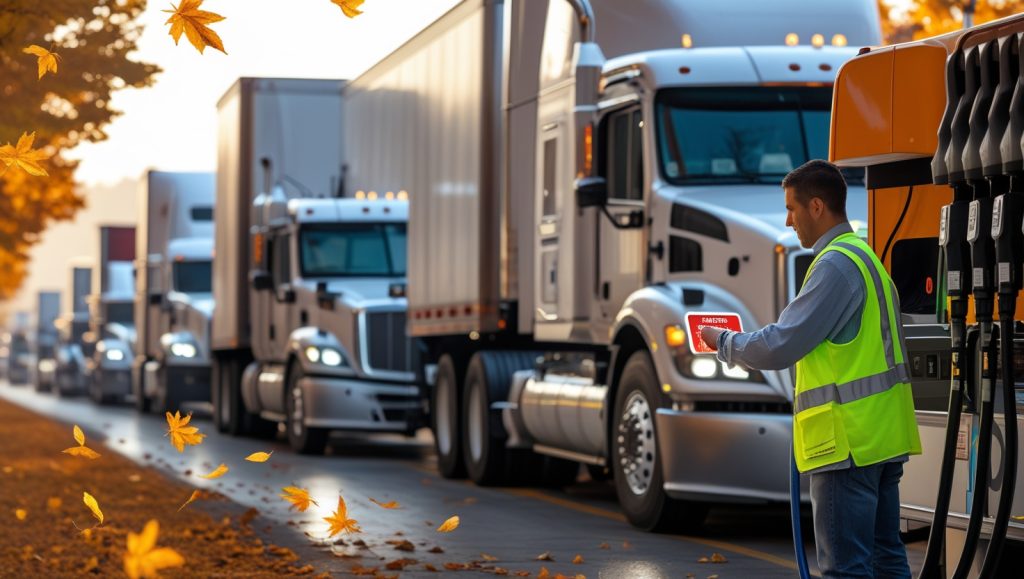
For small to mid-sized businesses managing commercial fleets, fuel costs are among the most significant, and volatile, operational expenses. In an industry where a few cents per gallon can make or break a budget, GPS fleet tracking stands out as a critical tool for reducing waste, enforcing accountability, and generating measurable savings. But the real advantage emerges when GPS tracking is combined with strategic fleet fuel card programs. Together, they form an intelligent cost-control infrastructure that helps businesses gain real-time financial oversight, enforce security controls, and uncover opportunities for platform-wide efficiency.

Why GPS Tracking Is Central to Fuel Spend Reduction

Fleet tracking technology has evolved into an essential part of fleet operations. GPS solutions offer precise location monitoring, idle time tracking, geofencing, and route optimization, each delivering direct financial and operational benefits. According to the American Transportation Research Institute, excessive idling consumes up to 8% of a fleet’s annual fuel usage.

A construction company operating 25 vehicles could reduce idle time by 30 minutes per day, saving over $14,000 annually at an average diesel price of $4.20 per gallon. By addressing just this one behavior, GPS tracking tools can dramatically cut unnecessary fuel expenses while enhancing overall fuel economy and vehicle performance.

These systems also integrate route planning tools that analyze real-time traffic, road closures, and historical driving behavior. According to CITGO fleets using these features consistently reduce mileage by 10%–15%, leading to savings on fuel, extended maintenance intervals, and better customer service outcomes.

Pairing GPS with Fleet Cards Unlocks Full Visibility

When GPS tracking is paired with a fleet fuel card platform, such as the  FlexCard, accepted at providers like , companies gain full visibility into purchase data, station locations, and expense patterns. Each transaction is matched to a driver, vehicle, and location, generating insights at the platform level that transform everyday spending into strategic financial data.

Fuel cards deliver far more than simple payments. With PIN security, real-time alerts, purchase limits, and transaction reporting, fleet cards provide embedded controls that reduce fraud risk and ensure compliance. Managers can restrict card use by time of day, fuel type, or even geolocation, key for businesses with multiple fueling sites.

Volume-based rebates also help turn fuel costs into savings. Cards tied to programs like  typically offer 3 to 7 cents per gallon in rebates, creating substantial value. A fleet consuming 15,000 gallons monthly could realize annual savings exceeding $12,000, without altering routes or workflows.

Reducing Driver-Based Fuel Waste Through Telematics

Driver behavior is a major contributor to unnecessary fuel spend. According to the U.S. Department of Energy, aggressive driving, rapid acceleration, hard braking, and speeding, can reduce fuel efficiency by up to 30%.

GPS telematics platforms track these behaviors and convert them into scorecards that reflect each driver’s impact on vehicle performance. Managers can use this data to provide coaching, incentives, or disciplinary action. A logistics firm in the Southeast reported a 25% improvement in driver efficiency and a 12% drop in fleet fuel expenses after implementing a telematics-based coaching system.

By integrating driver analytics with fuel card transaction monitoring, managers can pinpoint the exact causes of rising costs. If spending increases on a particular route, linked telematics data can identify whether route inefficiencies or driver habits are to blame, providing actionable insights to lower expenses.

Simplified Fleet Fueling Through Network Access

Fuel access must be as efficient as routing. Fleet fuel cards accepted at over 95% of U.S. gas stations, including the national  station network, offer unmatched convenience and strategic compatibility. This level of network access minimizes driver detours and supports optimized fueling routes.

With app-based transaction approvals, mobile receipt capture, and location-based fueling controls, these solutions reduce downtime and improve accountability. Drivers no longer need to manage paper receipts, and managers receive immediate transaction reports linked to location and time.

The ability to plan fuel stops around specific stations adds another layer of control. Businesses can enforce fueling at the lowest-cost providers along routes, an essential feature for logistics and delivery fleets operating in high-traffic metro areas.

Case Study: HVAC Fleet Uses GPS and Fuel Cards for Cost Control

A Texas-based HVAC business managing 20 service vehicles integrated GPS telematics with the  FlexCard, targeting efficiency and expense visibility. Within 60 days, route optimization reduced mileage by 11%, saving more than 1,700 gallons of fuel.

The system’s geofencing feature flagged unauthorized after-hours fill-ups, allowing the company to identify and address policy violations quickly. Fueling controls, such as job-site zone limitations and time-of-day restrictions, prevented over $3,000 in fraudulent transactions in just three months.

Real-time transaction reporting and integration with their ERP system also streamlined reimbursement and invoicing, improving cash flow and reducing administrative overhead.

Geo-Based Alerts and Spending Controls

Geofencing enables companies to draw digital boundaries around job sites and fueling zones. Alerts are triggered when vehicles enter or leave defined areas, ensuring drivers stay within approved territories and fueling occurs at designated locations.

Fleet fuel cards support this with purchase controls that limit usage to specific fuel stations or regions. Managers can monitor for out-of-bound usage and immediately deactivate cards in response to policy breaches.

This layered approach ensures security, accountability, and efficient use of company resources, which is especially valuable in sectors like construction, utilities, and landscaping where vehicles operate across varied and shifting locations.

Expense Reporting, Analytics, and Tax Readiness

Automated reporting and analytics tools embedded in modern GPS and fuel card platforms eliminate manual data entry and reduce accounting errors. Transactions are logged in real-time, categorized by driver or vehicle, and exported to accounting platforms.

Fleet managers gain insights into fuel economy trends, high-cost vehicles, and outlier behaviors. These analytics drive smarter budgeting and operational decisions while supporting IFTA reporting and audit readiness.

According to McKinsey, companies using digitized expense tools lower overhead costs by 32% and reduce invoice errors by 27%. The same systems support employee reimbursement workflows, helping teams maintain consistent, accurate financial records.

GPS + Fuel Card Strategy Supports Sustainability Goals

Fuel tracking technology also supports ESG initiatives by reducing unnecessary consumption. Each gallon of fuel saved prevents 8.89 kg of CO₂ emissions (EPA data), meaning a fleet reducing annual consumption by 50,000 gallons cuts more than 440 metric tons of emissions.

GPS tracking and fuel cards enforce disciplined fueling, optimize routes, and increase fuel efficiency, making them key technologies for businesses pursuing sustainability targets. As more companies adopt EVs, fleet cards now include EV charging support, extending control across all vehicle types.

Why Integration Pays Off Across the Platform

Fleet costs are rising, and fuel remains the most volatile line item. Businesses leveraging GPS tracking and fleet fuel cards together reduce waste, prevent fraud, and gain data-backed insight across their operations. According to Fleet Management Weekly, GPS-integrated fleets cut costs by 15% annually compared to non-digital peers.

The value multiplies when tools are connected. ERP integration, real-time alerts, rebate optimization, and driver behavior analytics form a comprehensive management platform that transforms fuel transactions into strategic financial decisions.

Turn Fuel Data Into Dollars with -Compatible Solutions

GPS tracking isn’t just about location, it’s about platform-wide visibility, intelligent controls, reduced fuel costs, and real business impact. With fleet fuel cards accepted at  stations, managers gain the reporting tools, fraud protection, and cost transparency needed to thrive.

Discover how GPS-enabled, -compatible fleet card programs turn data into measurable performance across every route, station, and driver. Start building your intelligent fuel management infrastructure today.

If you have ever wondered how to make your vehicle stand out from others, you can do it by implementing custom wraps. We are talking about options that will help you turn trucks, cars and other commercial vehicles into moving billboards. They will help you grab attention, boost brand awareness, and reach thousands of people each day.

Compared with regular ads, you should know that truck wraps will work all the time, even when they are parked, meaning you will get a free advertisement 24/7 without additional expenses. It doesn’t matter if you drive or park it, your car will become a powerful marketing tool. 

Combining bright colors and bold designs with your vehicles will help you make your message appealing and unforgettable. Even small businesses can compete with large brands by taking advantage of this strategy. Therefore, if your goal is to attract more customers and grow your business, we recommend you to implement custom wraps to your fleet.

Turns Vehicles into Billboards

Implementing a custom vehicle wrap can help you transform truck, van or car into a moving billboard. Instead of staying in a single place, your ad will move through parking lots, busy streets and highways. That way, you will ensure more people get familiar with your brand and see your business each day. 

Remember that truck wraps are especially useful for companies that are making service calls or deliveries. While your truck is on the road or parked, potential customers will notice your logo, contact details and message. A properly designed wrap can make a perfect first impression that will help you reach more customers.

Compared with traditional billboards, vehicle wraps do not require monthly fees. Instead, you will pay once and advertise for years. You should click here to learn more about car wraps as advertising.  

Your business will receive relevant attention no matter whether your car is stationary or in motion, which makes it perfect solution as well as cost-effective and smart marketing tool.

Reach Thousands Each Day

You should remember that a single wrapped vehicle can be widely recognized by thousands of people each day. It does not matter whether you drive in a small town or city, because your brand will get relevant exposure. The more you drive, the more people you will reach that may become your customers in the future. 

Even if you are sitting in traffic, your vehicle advertises your business. Cyclists, pedestrians and other drivers may see your message. A bold and bright design will ensure that you get more effective reach. 

Remember that truck wraps function perfectly for businesses that travel often. Service vans, delivery trucks and company cars can become moving ads, which will help you connect with locals without additional hassle. Check out this site: https://www.fec.gov/help-candidates-and-committees/advertising-and-disclaimers/ to learn more about advertising. 

Grab Attention Instantly

Everything depends on a design you implement but bold designs and bright colors can ensure the wrap stands out. People will notice them more than other, regular cars. A creative wrap will ensure your business will be challenging to miss. 

Remember that a well-designed wrap will tell your customers everything you wish to learn. Simple-to-read text and large images can make your message clear, while people are more likely to understand your brand.

Trunk hinges are simple yet essential components that allow the trunk lid to open and close smoothly. Over time, exposure to dust, water, and temperature changes can cause these hinges to stiffen, corrode, or even seize up. Regular lubrication keeps the hinges operating smoothly and helps prevent wear and tear on the trunk mechanism. Without proper lubrication, the hinges may become noisy, stiff, or misaligned—leading to operational issues and even potential damage to the trunk lid or body panels.

Common Symptoms of Dry or Rusty Hinges

If your trunk starts making creaking, squeaking, or grinding noises when opening or closing, it’s likely due to dry hinges. Stiff movement, increased resistance, or the need to use extra force are also common signs. In more advanced cases, rust may be visible on or around the hinge area. These symptoms are not just annoying—they’re early indicators that the hinges are under stress. Ignoring them can lead to more serious mechanical issues, such as bent hinges or a misaligned trunk lid. A special choice for Auto Repair in Oak Grove, MO based service would be essential here.

How Lubrication Protects Moving Parts

Applying lubricant to your trunk hinges forms a protective barrier that reduces friction and repels moisture. This helps prevent the metal components from grinding against each other and delays rust formation. Lubrication also preserves the smooth movement of the trunk lid, allowing it to open and close easily. Silicone-based sprays or white lithium grease are ideal choices because they’re designed for metal-on-metal contact and can withstand outdoor conditions. Routine lubrication every few months—or more frequently in harsh climates—keeps the hinges in optimal shape.

Step-by-Step Guide to Lubricating Trunk Hinges

To lubricate your trunk hinges, start by opening the trunk fully and inspecting the hinge areas for signs of dirt or rust. Clean any buildup with a dry cloth or a mild cleaner. Once dry, apply your chosen lubricant directly to the moving parts of the hinge. Be sure to coat all pivot points and joints. After applying the lubricant, gently open and close the trunk several times to distribute it evenly. Wipe away any excess to avoid attracting dirt. This simple process takes just a few minutes but offers long-term benefits.

Long-Term Benefits of Regular Hinge Maintenance

Keeping your trunk hinges lubricated doesn’t just reduce noise—it extends the life of the entire trunk mechanism. Well-maintained hinges help prevent alignment issues, reduce strain on the latch system, and ensure the trunk seals properly against moisture and dust. Regular lubrication is a small act of preventative maintenance that protects both function and aesthetics, sparing you costly repairs in the future. It also improves user experience by making trunk operation smoother and more reliable.

By taking the time to lubricate your trunk hinges regularly, you’re investing in your vehicle’s long-term performance and comfort. This easy maintenance task ensures your trunk operates quietly, securely, and efficiently every time.

Buying a Lamborghini is a dream for many car lovers. With its sleek design, loud engine, and high-speed performance, it’s more than just a car—it’s a symbol of luxury. But before you buy one, it’s important to understand what comes with owning it. Here’s what you need to know about Lamborghini maintenance and ownership.

Maintenance Costs Are High

Lamborghinis are made for performance, which means they need special care. Regular maintenance, like oil changes and brake checks, costs much more than it does for regular cars. Even basic services can cost hundreds or even thousands of dollars. Repairs and parts are also expensive, especially if done at a certified Lamborghini dealer.

Not Every Mechanic Can Work on It

You can’t take a Lamborghini to just any auto shop. These cars need trained mechanics who understand exotic cars. You may have to go to a special shop or dealer, which can take more time and money. Make sure there is a certified service center nearby before you buy.

Insurance Will Be Expensive

Because of its high value and powerful engine, insurance for a Lamborghini costs a lot. Your rate depends on your age, driving record, and where you live, but it will be much higher than for a regular car. It’s a good idea to get quotes before buying.

Gas and Tires Add Up

Lamborghinis are not made to save gas. They use premium fuel and burn through it quickly. The tires also wear out faster and are costly to replace. These are extra costs you’ll need to keep in mind.

Be Ready for Attention

Lamborghinis get noticed everywhere. Some owners enjoy the attention, but others may find it too much. Be ready for people to take pictures, ask questions, or even try to race you.

Is It Worth It?

Owning a Lamborghini can be an amazing experience. The power, style, and excitement are hard to beat. But it also takes planning, care, and a big budget.

If you’re ready for the costs and responsibilities, a Lamborghini can be a dream come true. Just make sure you know what to expect so that your dream car doesn’t turn into a problem.

This post was written by a professional at Tampa Auto Gallery Sales & Leasing. Tampa Auto Gallery Sales & Leasing, in Pinellas Park, FL, is your go-to for luxury cars for sale near you, serving Largo, St. Petersburg, Tampa, & Clearwater. Specializing in exotic brands like lamborghini for sale, Rolls Royce, Ferrari, & McLaren, they offer the best in sales and leasing. Founded on trust, integrity, & respect, we ensure a top-tier shopping experience with unbeatable prices and quality. Whether you have good or bad credit, their financing options get you behind the wheel. Their inventory is handpicked for reliability and dependability. Visit the best exotic car dealer for an unparalleled luxury car experience today. 

A contemporary all-terrain vehicle ATV is a large investment; hence, choosing the correct one depends on thorough evaluation of its intended usage and the characteristics that will most support those activities. Several critical elements improve an ATV’s performance, lifetime, and general user experience, whether for leisure trail riding, conquering difficult off-road challenges, or doing utility chores on a property. Emphasizing these features guarantees that the ATV you choose will be a dependable and competent friend for many years to come.

Strong and Effective Engine

Modern ATVs have a variety of engine sizes and combinations, each providing a particular mix of power and efficiency. Search for engines with enough horsepower and torque to easily negotiate hills, dirt, and obstacles for leisure riding and overcoming challenging terrain.

A must-have contemporary tool, electronic fuel injection guarantees smooth starting, consistent performance throughout varied altitudes and temperatures, and better fuel economy than previous carbureted systems.  

If you’re considering a versatile alternative for both utility and comfort, exploring a Toyota RAV4 for sale in Houston could offer the right blend of capability and efficiency. Think about the kind of riding or driving you’ll do most often—larger displacement engines suit demanding tasks and aggressive use, while smaller, more efficient options are ideal for trail riding and everyday utility.

Adjustable and Strong Suspension System

Look for ATVs with independent suspension on all four wheels (IRS). IRS lets every wheel respond independently to uneven terrain, thus smoothing out the ride and improving ground contact.  Highly desired qualities include adjustable preload and rebound damping, as they let you match the suspension to the weight you are hauling. 

Good shocks from reliable companies greatly increase ride comfort and increase the ATV’s capacity to absorb hits and bumps.  This reduces driver weariness over lengthy use and enhances overall driving performance.

Top Features

Responsive and dependable braking system

Safety is first; hence, a contemporary ATV should have a dependable and fast braking system. Disc brakes on all four wheels provide superior fade resistance and stopping power than standard drum brakes while driving on wet or muddy roads.

A safety enhancement that enables the rider to preserve steering control by allowing the wheels to stay free from locking during severe braking, certain premium versions additionally incorporate anti-lock Braking Systems. 

A reliable braking system not only makes riders more confident but also allows for quick, under-control stops in unexpected situations, therefore enhancing overall safety.

Ecological and Ergonomic Design

Rider comfort and the lifetime of an ATV are strongly influenced by its general design and construction quality.  Search for a strong frame built of aluminum or high-strength steel that can resist off-road strains.

Mostly, rider exhaustion is related to ergonomics; consider the seat comfort, handlebar alignment, and control position. Features like power steering, also referred to as Electronic Power Steering or EPS, greatly reduce steering effort, therefore alleviating long distances of weariness, especially at moderate speeds and on uneven ground. High-impact plastic durable bodywork helps protect important parts from harm.

Flexible Accessory and Utility Solutions

Many contemporary ATVs are made with flexibility in mind and include elements that improve their utilitarian capacities. Search for models with built-in mounting points or racks for accessories and freight hauling.

A good towing hitch increases the ATV’s usefulness for jobs around a property. The availability of a large choice of aftermarket attachments, like winches, ploughs, cargo boxes, and lighting improvements, lets you personalize the ATV to fit your particular demands and further increase its possibilities for work or fun.

The Toyota RAV4 for sale in Houston helps in carefully weighing these factors; you will choose an ATV that exactly meets your requirements and improves your off-road experiences or job capacity.

For car aficionados, there is perhaps no thrill quite like the rush of an exotic car rally. These premium driving events unite supercar enthusiasts, thrill-seeking adventurers, and speed enthusiasts on a trip of a lifetime filled with luxury, camaraderie, and stunning roads. Whether cruising through coastal scenic roads or mountain twisties, an exotic car rally is the ultimate road luxury.

The Allure of Exotic Car Rallies

Exotic car rallies are not so much about speed; they are a combination of passion, prestige, and high-performance engineering. The drivers use top-of-the-line cars such as Lamborghinis, Ferraris, Bugattis, and McLarens, which display automotive craftsmanship at its best. The excitement of riding in a procession of these mechanical wonders is an experience that thrills drivers and onlookers alike.

The Ultimate Driving Experience

An exotic car rally isn’t so much about posing with pricey cars—it’s about the ride. Routes are specifically chosen to get the most out of the ride. From California’s Pacific Coast Highway scenic coastal roads to the rolling mountain roads of the Swiss Alps, every rally offers drivers an unforgettable driving experience.

Precision driving and safety driving are also central elements. Most rallies include track days, during which drivers get to take their vehicles to their limits in a controlled setting. These events usually have professional instructors attend to impart knowledge on driving high-performance vehicles at high speeds.

A Community of Like-Minded Enthusiasts

Perhaps the most enjoyable thing about an exotic car rally is the feeling of community it creates. Everyone there has an interest in supercars, performance driving, and enjoying the open road. The rally is a social occasion where friendships are built from common experiences, from adrenaline-filled patches of road to after-dark bashes.

The Future of Exotic Car Rallies

As electric supercars and advanced automotive tech gain traction, exotic car rallies are changing. The inclusion of hybrid and all-electric hypercars is ushering in a new phase of sustainability while not compromising on performance. 

As exotic car rallies gain ever-growing popularity globally, they remain a testament to the lasting draw of luxury, speed, and adventure on the highway. As a veteran participant or aspiring first-timer, excitement and distinction of these events guarantee an experience like no other.

This post was written by a professional at Crown Rally. Crown Rally brings together automotive enthusiasts for exclusive car rallies across the United States, blending thrilling driving experiences with luxury, networking, and giving back. Since launching the first Central Crown in 2014, each rally has been driven by a meaningful cause, where the love for high-performance vehicles meets charitable action. Whether you’re seeking a car rally near you or eager for the next epic auto rally, Crown Rally promises a unique adventure. Thanks to the passion of our participants, sponsors, and team, we’ve raised over $1 million, donated 48 cars, and volunteered hundreds of hours to outstanding non-profit organizations. Join us for the next rally near you and make a difference while enjoying the ride. Click here to learn more!

Load sensors are critical components in modern vehicles, especially those equipped with automatic load distribution systems. These sensors detect changes in the weight distribution of the vehicle, such as when passengers, cargo, or towing loads alter the overall balance of the car. The sensor data is then sent to the vehicle’s suspension control system, allowing the system to automatically adjust and optimize the vehicle’s suspension for enhanced handling, comfort, and safety. In short, load sensors help ensure that the vehicle maintains optimal performance, regardless of changing load conditions.

The Role of Automatic Load Distribution

Automatic load distribution relies on the data from load sensors to adjust the vehicle’s suspension system. The suspension is designed to compensate for variations in weight, preventing issues such as sagging, bottoming out, or uneven tire wear. For instance, when a car is carrying a heavy load in the trunk or towing a trailer, the rear end of the vehicle might dip lower, which can affect ride quality and handling. Load sensors detect these changes, and the system automatically adjusts the suspension’s stiffness or height to maintain proper alignment and ride comfort. Selection of the Auto Repair in Brownsburg, IN based services is essential here. They can offer the best suggestion here.

Enhancing Vehicle Handling and Safety

One of the main benefits of load sensors and automatic load distribution is improved vehicle handling. When the load is evenly distributed, the car maintains better stability, especially when cornering or driving on uneven surfaces. Without proper load balancing, a vehicle may experience poor handling, understeering, or oversteering, especially under heavy loads. By continuously monitoring weight distribution, load sensors ensure that the suspension can respond in real-time to prevent instability. This contributes to safer driving, as it reduces the likelihood of accidents caused by overcompensating for an uneven load.

Load Sensors in Adaptive Suspension Systems

In more advanced vehicles, load sensors work in tandem with adaptive suspension systems, which can actively adjust suspension settings based on driving conditions and weight distribution. These systems are designed to automatically detect when additional load is added to the vehicle, adjusting the suspension to maintain smoothness and control. Whether the vehicle is driving on a highway, rough terrain, or making tight turns, the adaptive suspension system ensures that ride comfort and handling remain consistent. This technology is particularly useful in SUVs, trucks, and high-performance vehicles, where load management is critical for both performance and safety.

Maintenance and Calibration of Load Sensors

Like all sensors in a vehicle, load sensors require regular maintenance to ensure accurate performance. Over time, wear and tear, road debris, or exposure to extreme conditions can cause sensors to malfunction. If the load sensors fail to provide accurate readings, the automatic load distribution system may not adjust the suspension properly, which can result in a bumpy ride or reduced vehicle stability. Regular diagnostic checks, sensor calibration, and sensor replacement, if needed, are important to maintain the system’s accuracy. Ensuring proper load sensor function helps keep the vehicle’s suspension system working as intended, delivering a safe and smooth driving experience.

Sunroofs, those beloved portals to the sky that let in fresh air and sunshine, have been a desirable car feature for decades. Their evolution from simple, manually operated panels to sophisticated, expansive panoramic designs is a testament to automotive innovation and the ongoing quest for a more enjoyable driving experience.

The Early Days: Simplicity and Practicality

The earliest examples of sunroofs were far from the sleek, integrated designs we see today. Initially, they were primarily found on luxury vehicles in the 1930s and 40s, often referred to as “sliding roofs.” These were essentially large, manually operated metal panels that slid along rails on the car’s roof. Their primary function was ventilation, providing a welcome breeze in the days before widespread air conditioning. Operation was decidedly hands-on, requiring the driver or passenger to physically slide the panel open and closed.

The Rise of Powered Options: Convenience Redefined

The introduction of electric motors marked a significant turning point in sunroof history. In the 1960s, powered sunroofs began to appear, offering a newfound level of convenience. No longer did drivers have to wrestle with manual levers; a simple push of a button was enough to open or close the roof. This technological advancement opened the door for more complex designs and increased popularity. Moreover, the improvement in materials and sealing technologies allowed for tighter closures, minimizing wind noise and preventing leaks, common issues with earlier manual versions. Opting for Auto Repair in Woodbury, MN  based service is essential here.

The Advent of T-Tops and Targa Tops: A Detachable Diversion

While technically not sunroofs, T-tops and Targa tops represented a parallel evolution in open-air motoring. Popular in the 1970s and 80s, these featured removable roof panels, offering an even more immersive experience than traditional sunroofs. T-tops featured two separate panels above the driver and passenger, while Targa tops had a single, wider panel that often stowed in the trunk. Though offering greater open-air freedom, they also presented challenges in terms of structural integrity and potential for leaks, eventually waning in popularity as sunroof technology advanced.

Panoramic Perspectives: Embracing the Sky

The modern era of sunroofs is characterized by the rise of panoramic options. These large, often multi-paneled glass roofs extend across a significant portion of the vehicle’s roof, flooding the interior with natural light and providing expansive views. Many panoramic sunroofs also feature a tilt-and-slide function, allowing for ventilation. Sophisticated engineering ensures robust sealing and acoustic insulation, minimizing wind noise and maintaining passenger comfort. These designs represent a significant leap in both technology and aesthetic appeal, blurring the lines between the interior and the exterior world.

Looking Ahead: Innovation and Integration

The future of sunroofs promises even greater integration with vehicle technology. Expect to see more advanced features like solar-powered shades, automated rain-sensing closures, and even smart glass that can adjust its tint based on sunlight intensity. Manufacturers are also exploring new materials and designs to further enhance fuel efficiency and minimize wind noise. As technology continues to evolve, sunroofs will undoubtedly remain a desirable feature, offering drivers a unique and engaging connection to the open sky.

Embracing Fleet Fuel Cards for Operational Efficiency

Corporate fleet owners managing thousands of vehicles across various industries, including trucking, construction, and logistics, have seen how technology revolutionizes fleet management. The advent of fleet fuel card programs has streamlined operations, offering not just a payment tool but a comprehensive solution integrated with Citgo fleet card management systems. These cards, provided by industry leaders like Wex and Shell, offer robust purchase controls, real-time monitoring, and comprehensive analytics, ensuring drivers have convenient access to fuel at thousands of gas stations and fueling locations. The integration of these advanced solutions has enabled businesses to optimize fuel expenses, reduce cash expenses, and achieve significant savings through fuel discounts, rebates, and optimized spending limits.

Maximizing Savings Through Fleet Fuel Cards

Fleet fuel cards offer a compelling solution to maximize savings on fuel purchases. With discounts of up to 49¢ per gallon and additional rebates, every transaction directly contributes to improved cash flow and budgeting. Spending limits and purchase controls on each card ensure strict adherence to budgeting guidelines, preventing overspending and minimizing unnecessary expenses. The real-time monitoring and reporting tools provide detailed insights into fuel spending, helping businesses adjust budgets, optimize fuel usage, and ensure the best prices across various fueling stations. This proactive approach supports immediate financial goals and contributes to long-term financial stability, enabling reinvestment into critical areas like vehicle maintenance and fleet expansion.

Leveraging Advanced Tracking, Reporting, and Analytics

Data-driven decision-making is essential in modern fleet management, and fleet fuel card programs provide advanced tracking, reporting, and analytics capabilities. Every fuel transaction is recorded with precision, capturing crucial data such as the number of gallons purchased, fuel type, and vehicle odometer readings. This information feeds directly into fleet management systems, where sophisticated analytics tools convert raw data into actionable insights. Detailed reports provide visibility into fuel costs, consumption patterns, and spending trends across the fleet, allowing fleet managers to identify inefficiencies, optimize routes, and adjust budgets. Real-time tracking through intuitive apps ensures that every transaction is closely monitored, providing fleet owners with the tools to streamline fuel management and drive operational improvement.

Strengthening Security and Purchase Controls

Security remains a critical concern in corporate fleet management, particularly when handling large volumes of fuel purchases. Fleet fuel card programs include robust security features such as purchase controls, geo location tracking, and integration with ECU data to verify that purchases are made only at approved locations. Alerts are triggered when drivers exceed spending limits or attempt unauthorized purchases, ensuring swift corrective action. These security measures, along with detailed transaction reporting, create an audit trail that supports compliance with legal and industry standards. By maintaining tight controls over fuel expenses, businesses reduce the risk of fraud and ensure the integrity of financial operations, contributing to a stable and reliable cash flow.

Seamless Integration and Extensive Network Access

The seamless integration of fleet fuel cards with existing fleet management systems is a major advantage. Digital tools and user-friendly apps from providers like Wex and Shell allow fleet managers to manage fuel purchases, track expenses, and generate detailed reports from a centralized platform. This integration eliminates cumbersome paperwork and manual tracking, streamlining operations and improving efficiency. The vast network of fueling stations ensures that drivers have access to fuel wherever they are, whether in urban centers or remote locations, supporting continuous fleet operations. The ability to monitor fuel purchases in real time and compare costs across locations enhances the overall management of fuel expenses, ensuring that the fleet remains cost-effective and operationally efficient.

Future-Proofing Fleet Operations with Innovative Solutions

As technology continues to evolve, future-proofing fleet operations becomes essential. Fleet fuel card programs must adapt to meet the demands of emerging technologies and market changes. Providers like Wex and Shell continuously innovate their products, offering new features such as enhanced telematics, fraud alerts, and deeper integration with digital platforms. These advancements help fleet managers monitor fuel usage more precisely, adjust spending limits dynamically, and optimize fuel management strategies. By investing in cutting-edge fuel card solutions, businesses can stay ahead of industry trends, ensuring that their fleet operations remain agile, efficient, and competitive.

A Holistic Approach to Corporate Fleet Success

Effective corporate fleet management requires a comprehensive strategy that integrates technology, data, and strategic planning. Fleet fuel cards provide the tools necessary to optimize fuel purchases, improve budgeting, and enhance operational efficiency. Through advanced tracking, real-time reporting, and stringent security measures, these cards enable businesses to streamline fuel management and achieve cost savings. With access to detailed insights into fuel usage, businesses can improve maintenance scheduling, route optimization, and financial planning. The combination of fuel discounts, rebates, and robust purchase controls provides fleet managers with the financial discipline needed to maintain a healthy corporate account.

By leveraging the power of fleet fuel cards, businesses not only reduce fuel costs but also gain valuable data insights that contribute to better decision-making and operational efficiency. With continuous innovation and a commitment to embracing digital tools, businesses can navigate the challenges of modern fleet management, positioning themselves for long-term success in an increasingly competitive market.

Optimizing Fleet Management with Fuel Cards

Fleet fuel cards are more than just payment tools; they are comprehensive solutions that support every aspect of fleet management. By combining cost savings, enhanced tracking, robust security, and seamless integration with fleet management systems, businesses can optimize their fleet operations. The real-time data insights and comprehensive reporting provided by these cards ensure that fuel expenses are effectively managed and optimized. As fleet managers continue to embrace innovative solutions from trusted providers like Wex and Shell, they can improve fuel efficiency, enhance budgeting, and maintain a competitive edge in the market. The ongoing digital transformation of fleet management ensures that businesses remain agile, efficient, and prepared for future growth and challenges.