Author

George Johnson

Browsing

The paint on your vehicle does more than make it look good – it also protects the body from rust, weather, and everyday wear. Over time, scratches, fading, and chips can take away from your car’s appearance. An auto paint shop specializes in restoring or enhancing your vehicle’s finish, giving it a like-new look while adding lasting protection.

What Is an Auto Paint Shop?

An auto paint shop is a specialized facility where vehicles are painted, refinished, and restored. Using professional-grade tools, color-matching technology, and high-quality paints, technicians can repair minor damage, repaint panels, or give your entire car a fresh new finish.

Services Offered by Auto Paint Shops

1. Paint Touch-Ups

Small chips and scratches can be repaired with spot painting to blend seamlessly with your existing color.

2. Full Vehicle Repainting

When the paint is heavily faded, scratched, or peeling, a full repaint restores the car’s original shine and protects it from further damage.

3. Color Matching

Modern shops use computerized technology to ensure the new paint matches your vehicle’s factory shade perfectly.

4. Custom Finishes

For drivers looking to stand out, auto paint shops may also offer specialty finishes such as metallic, matte, or pearlescent paints.

5. Clear Coat Application

A clear coat not only enhances the shine but also provides an extra layer of protection against UV rays, weather, and minor scratches.

Benefits of Professional Auto Painting

  • Restored Appearance: Makes your car look new again.
  • Protection from Corrosion: Paint seals and shields the body from rust.
  • Boosted Resale Value: A fresh finish increases your car’s market appeal.
  • Customized Style: Options to personalize your vehicle’s look.

When Should You Visit an Auto Paint Shop?

  • After a collision or accident that damages paint.
  • When you notice fading, peeling, or oxidation.
  • If you want to refresh your car before selling it.
  • For cosmetic upgrades and color changes.

Choosing the Right Auto Paint Shop

When selecting a facility, consider:

  • Experience and certified technicians
  • Quality paint materials and technology
  • Customer reviews and portfolio of past work
  • Warranty on paint and workmanship

Final Thoughts

An auto paint shop is more than just a place for cosmetic upgrades—it’s an essential service that protects your car’s body while keeping it looking sharp. Whether you need a small touch-up or a full repaint, professional painting ensures long-lasting beauty and durability.
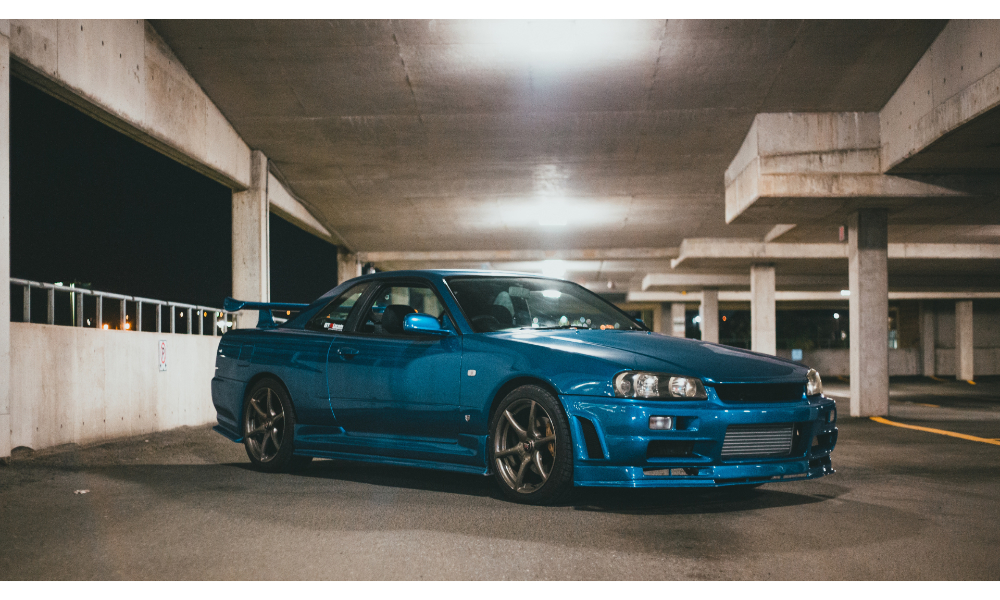
Importing a Japanese Domestic Market (JDM) car is an exciting milestone for many enthusiasts. Whether it’s a Skyline GT-R, Supra, or Civic Type R, these cars carry a unique blend of performance, history, and style. But while the import process gets most of the attention, the financing side can be equally complex. Without proper preparation, buyers may face unexpected costs, loan hurdles, or long-term headaches.

To help ensure your purchase goes smoothly, here are five financing pitfalls to avoid when buying a JDM vehicle.

1. Underestimating Total Ownership Costs

One of the most common mistakes buyers make is focusing only on the car’s purchase price. While you might secure a JDM classic at a reasonable rate from overseas, additional costs add up quickly. Import duties, shipping fees, port clearance, state registration, and potential modifications for compliance can significantly raise your total investment.

Financing only the base price of the car without accounting for these extras can leave you scrambling for cash later. Before securing a loan, make a detailed budget that includes all related expenses. This way, you’ll avoid the stress of covering out-of-pocket costs that weren’t factored into the financing.

2. Choosing the Wrong Type of Loan

Not all auto loans are created equal, and this is especially true with imported vehicles. Some lenders are hesitant to finance JDM cars due to their age, rarity, or lack of official U.S. resale values. Traditional banks may treat them as high-risk or refuse to finance altogether.

A better option is to work with lenders or programs that specialize in unique or collector vehicles. These loans often offer terms that align with the car’s actual value and intended use. Choosing the wrong loan can result in higher interest rates, shorter repayment periods, or outright denial, which delays your dream purchase.

3. Ignoring the Impact of Vehicle Age and Title

The 25-year rule allows JDM cars to be legally imported once they hit the quarter-century mark, but age still impacts financing. Lenders may be cautious with older vehicles because they don’t fit neatly into typical depreciation schedules. Some JDM imports also come with unconventional titles, such as “grey market” or “off-road use only,” which can complicate financing and insurance.

Before committing, confirm that the car will receive a clean, transferable title once imported. Work with importers who provide proper documentation, and verify with your lender that the title status meets their requirements. Skipping this step could jeopardize your loan approval.

4. Overstretching Your Budget

It’s easy to get swept up in the excitement of buying a dream car, but overextending financially can lead to regret. Monthly loan payments are only part of the picture—insurance, parts, and maintenance for rare JDM vehicles can be higher than for domestic cars. Some parts may even need to be shipped from overseas, adding cost and wait time.

Avoid the temptation to finance at the very top of your budget. Leave financial breathing room for the ongoing costs of ownership. This ensures that your JDM experience stays enjoyable rather than becoming a financial burden.

5. Overlooking Specialized Financing Support

Finally, many enthusiasts overlook the benefits of working with professionals experienced in JDM car purchases. Specialized lenders understand the import process, recognize the value of rare vehicles, and can structure loans accordingly. They also provide guidance on insurance requirements, title concerns, and long-term value considerations.

Partnering with providers who offer JDM financing services helps streamline the process. These experts reduce the chance of missed paperwork, unfavorable loan terms, or delays in getting your car on the road. Skipping this step may save a little time upfront, but it often creates bigger headaches later.

Financing a JDM vehicle requires more planning than a standard auto loan, but the rewards are well worth the effort. By accounting for total ownership costs, choosing the right type of loan, confirming title status, staying within your budget, and leveraging specialized financing support, you’ll avoid the most common pitfalls.

A JDM car isn’t just a purchase—it’s an investment in a piece of automotive history. With the right financing approach, you can enjoy the thrill of driving your dream car without the stress of unexpected financial surprises.