Category

Auto

Category

When it comes to luxury cars, there are a few brands that immediately come to mind. These brands have established themselves as leaders in the industry and are known for producing high-quality vehicles that are both stylish and powerful. But what sets these luxury car brands apart from the rest? Let’s take a closer look.

The Importance of Branding

One of the key factors that sets luxury car brands apart is their branding. Luxury car brands have spent years developing a reputation for excellence, and this reputation is reflected in everything they do. From the design of their vehicles to the way they market themselves, luxury car brands are consistent in their messaging and their commitment to quality.

This branding extends beyond just the cars themselves. Luxury car brands often have a strong presence in other areas, such as fashion, lifestyle, and entertainment. By aligning themselves with these other industries, luxury car brands are able to reinforce their image as exclusive and high-end.

The Power of Performance

Another factor that sets luxury car brands apart is the power and performance of their vehicles. Luxury cars are known for their speed, precision, and responsiveness, and these qualities are a big part of what makes them so desirable.

But it’s not just about speed and power. Luxury car brands also focus on the overall driving experience, with an emphasis on comfort, handling, and safety. These factors combine to create a driving experience that is unmatched by other vehicles.

The Art of Design

Finally, luxury car brands are known for their iconic designs. From the sleek lines of a Ferrari to the classic elegance of a Rolls-Royce, luxury car brands are masters of design.

But it’s not just about looks. Luxury car brands also prioritize functionality and innovation in their designs. From advanced safety features to cutting-edge technology, luxury cars are often at the forefront of automotive design.

So what sets luxury car brands apart? It’s a combination of branding, performance, and design that creates a truly unique and desirable product. Whether you’re in the market for a new luxury car or simply appreciate the artistry and engineering that goes into these vehicles, there’s no denying the appeal of a luxury car brand.

With the increasing concerns about climate change, the automotive industry is constantly looking for sustainable solutions that can reduce carbon emissions. Two such solutions are electric vehicles (EVs) and hydrogen fuel cell vehicles (FCVs). In this article, we explore the differences between the two and determine which one has the potential to shape the future of auto.

Electric Vehicles

Electric Vehicles

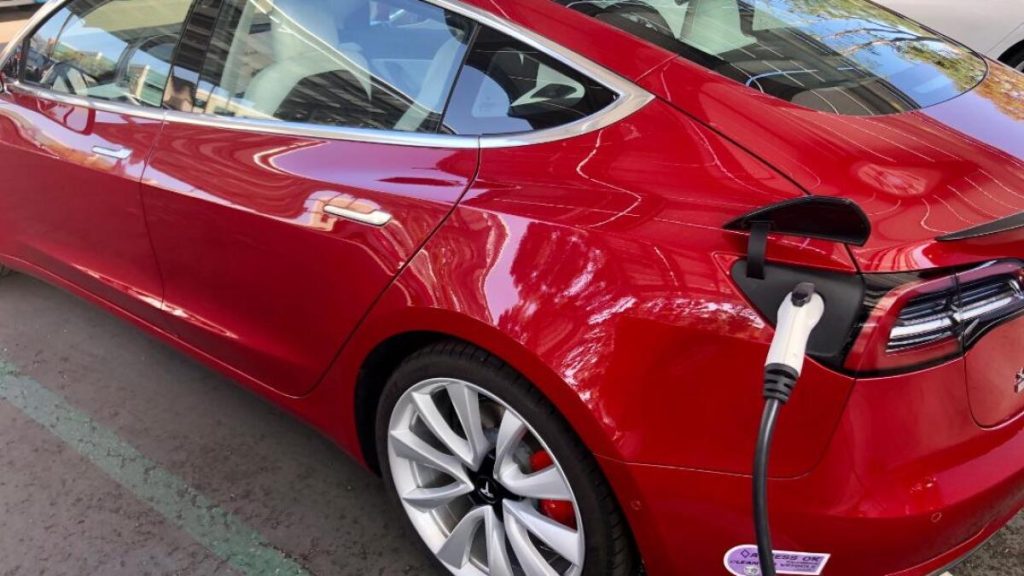
EVs run on electricity stored in rechargeable batteries. They have no tailpipe emissions and are considered to be zero-emission vehicles. EVs are also energy-efficient, with lower operating costs compared to traditional gasoline-powered cars. However, the range of electric cars is limited and the charging infrastructure is still in its early stages, which means that long trips may require frequent charging stops.

  • Pros of EVs:
    • No tailpipe emissions
    • Energy-efficient
    • Lower operating costs
  • Cons of EVs:
    • Limited range
    • Charging infrastructure is still developing

Hydrogen Fuel Cell Vehicles

FCVs use hydrogen gas to power an electric motor, with water vapor being the only emission. FCVs have a longer range than EVs and can be refueled in a matter of minutes, similar to traditional gasoline-powered cars. However, the infrastructure for hydrogen refueling is still limited, which makes it difficult to find a refueling station when needed.

  • Pros of FCVs:
    • Longer range than EVs
    • Can be refueled in minutes
    • Water vapor is the only emission
  • Cons of FCVs:
    • Infrastructure for hydrogen refueling is limited
    • Expensive to produce and maintain

The Future of Auto

Future of Auto

Both EVs and FCVs have the potential to shape the future of auto, but there are some key factors that will determine which one will dominate the market. The first factor is the development of infrastructure. While EV charging infrastructure is growing, it still has a long way to go to become as convenient as traditional refueling stations. On the other hand, the infrastructure for hydrogen refueling is still in its early stages and will require significant investment to become widespread.

The second factor is the cost of production. EVs are becoming more affordable as battery technology improves, but FCVs are still expensive to produce and maintain. The third factor is the availability of raw materials. Lithium-ion batteries, which are used in EVs, require rare earth metals like cobalt and nickel. FCVs require hydrogen, which is abundant but requires energy-intensive processes to produce.

Both EVs and FCVs have their advantages and disadvantages. However, with the current state of infrastructure and production costs, EVs appear to be the more viable option for the near future. As technology continues to improve and infrastructure expands, FCVs may become a more competitive alternative.

Over the years, the automotive industry has witnessed remarkable technological advancements that have transformed the way we drive and interact with our cars. From electric vehicles to self-driving cars, the industry is experiencing a wave of revolutionary auto innovations that are changing the face of transportation. In this article, we will explore some of the most significant auto innovations that are transforming the industry.

Electric Vehicles

Electric vehicles have been around for a while, but recent advancements in battery technology and charging infrastructure have made them more viable and accessible to the masses. Tesla, in particular, has been at the forefront of this revolution, with their sleek electric cars that boast impressive performance and range. Other automakers have also jumped on the bandwagon, with many releasing their own electric models in recent years. Electric cars offer several benefits over traditional gas-powered vehicles, including reduced emissions, lower operating costs, and a quieter driving experience.

Self-Driving Cars

Self-Driving Cars Self-driving cars are perhaps the most futuristic of all auto innovations, but they are already a reality. Several companies, including Google, Tesla, and Uber, are working on developing autonomous vehicles that can drive themselves without human intervention. Self-driving cars have the potential to reduce accidents and traffic congestion, while also making transportation more accessible to those who are unable to drive. However, there are still many challenges that need to be addressed before self-driving cars can become a mainstream reality, including regulatory and safety concerns.

Connected Cars

Connected cars are another significant auto innovation that is changing the industry. These cars are equipped with sensors and other technologies that allow them to communicate with other vehicles and infrastructure, such as traffic lights and road signs. This connectivity can provide drivers with real-time information about traffic conditions, weather, and other helpful data. Additionally, connected cars can also be used to improve safety, as they can warn drivers of potential hazards and automatically apply the brakes in emergency situations.

Hybrid Vehicles

Hybrid Vehicles

Hybrid vehicles are another auto innovation that has gained popularity in recent years. These cars combine a traditional gasoline engine with an electric motor, which allows them to achieve higher fuel efficiency and lower emissions than traditional gas-powered vehicles. Hybrid cars are particularly popular in urban areas, where their stop-start technology can help to reduce fuel consumption and emissions in heavy traffic.

The automotive industry is experiencing a wave of revolutionary auto innovations that are changing the face of transportation. From electric vehicles to self-driving cars, connected cars, and hybrid vehicles, these innovations are transforming the way we drive and interact with our cars. While there are still many challenges that need to be addressed, such as regulatory and safety concerns, there is no doubt that the future of transportation looks bright.